
The Arusha Declaration
Learn about the 1967 declaration of Ujamaa (socialism) and self-reliance led by President Julius Nyerere.

Climbing Kilimanjaro
The complete guideRoutes & fitness calculatorWhat to packOur climbs
6-Day Kilimanjaro: Marangu Route7-Day Kilimanjaro: Machame Route6-Day Kilimanjaro: Umbwe Route7-Day Kilimanjaro: Rongai Route7-Day Kilimanjaro: Shira Plateau / Morrum Barrier Route9-Day Kilimanjaro: Lemosho Route4-Day Mount Meru Trek5-Day Ol Doinyo Lengai & Lake Natron Trek10-Day Kilimanjaro Trekking & Wildlife Safari11-Day Kilimanjaro Trekking & Wildlife SafariTour styles
Big 5 Safaris (7)Great Migration Safaris (6)Classic Wildlife Safaris (32)Wildlife-Themed Safaris (8)Fly-in & Luxury Safaris (8)Honeymoon Safaris (6)Mountain Trekking (10)Beach & Zanzibar Holidays (9)Gorilla & Primate Safaris (19)Multi-Country & Combination Safaris (9)Helicopter Safaris (5)Cultural Tours (2)Day Trips (10)Family SafarisCity Tours & Airport TransfersTailor-Made / Custom TripsPlan
All toursTanzania safari guidePlan a custom tripTanzania
All of TanzaniaNational ParksGame ReservesIslandsHistorical SitesMountains & VolcanoesLakes & WaterfallsCities & CoastKenya
All of KenyaNational ParksReserves & ConservanciesMountains & CoastCitiesUganda
All of UgandaNational ParksWildlife ReservesLakes & WaterfallsCities & GatewaysMore
Cultural experiencesLodges & campsAll destinationsTanzania Museums
Near Arusha's Uhuru Torch monument, this museum tells the story of Tanzania's journey from pre-colonial times to independence and the famous Arusha Declaration of 1967.
Discover the Arusha Declaration Museum
The Arusha Declaration Museum is located in the Kaloleni area of Arusha, close to the Uhuru Torch monument. The building was once a social welfare hall for the Kaloleni community, and in January 1967 it hosted the historic meeting from which Tanzania's political and economic policy of socialism and self-reliance was drawn.
In February 1977, the building was converted into a small political museum. Its permanent exhibition covers pre-colonial and colonial history, the struggle for independence, the formulation of the policy of self-reliance and the development of Tanzania after the Arusha Declaration.
Why visit
The museum is an easy and rewarding stop for anyone curious about Tanzania's history and identity.
Learn about the 1967 declaration of Ujamaa (socialism) and self-reliance led by President Julius Nyerere.
Exhibits on the struggle for independence and the birth of Tanzania.
Displays on traditional societies, trade and resistance to colonial rule.
Easily combined with a walking tour of Arusha city.
Location
The museum is in the Kaloleni area of central Arusha, near the Uhuru Torch monument, within walking distance of the city centre and its markets.
It is an ideal stop on an Arusha city tour, before or after a safari or Kilimanjaro climb.
When to visit
The museum is open year-round and is a great option on rainy days.
Dry, pleasant weather and the most popular time to travel in northern Tanzania.
Short afternoon showers and green scenery.
Warm days and clear skies, a great time to visit.
The wettest months; museums and indoor sites are a good choice on rainy days.
Any month is suitable for a museum visit.
Warm and clear, a great month to visit.
Warm and dry before the long rains.
Long rains begin; plan indoor visits around showers.
The wettest month, but indoor sites remain open.
Rains ease towards the end of the month.
Dry season begins, with cool mornings.
Cool and dry, ideal for sightseeing.
Dry and clear, a popular travel month.
Pleasant and dry, excellent for exploring.
Warm and dry before the short rains.
Short rains bring brief showers.
Warm, green and festive.
Explore the area
The exhibition follows Tanzania's history in clear stages.

Self-Reliance & Ujamaa
The Arusha Declaration, led by Mwalimu Julius Nyerere, set out Tanzania's path of Ujamaa, African socialism, and self-reliance. It shaped the country's economy, education and national identity for decades.
The museum helps visitors understand how past social and economic developments contributed to the Tanzania of today, and it remains an important teaching aid for students of history, civics and political science.
Safaris to 中文
Day tours and itineraries that include Arusha city.
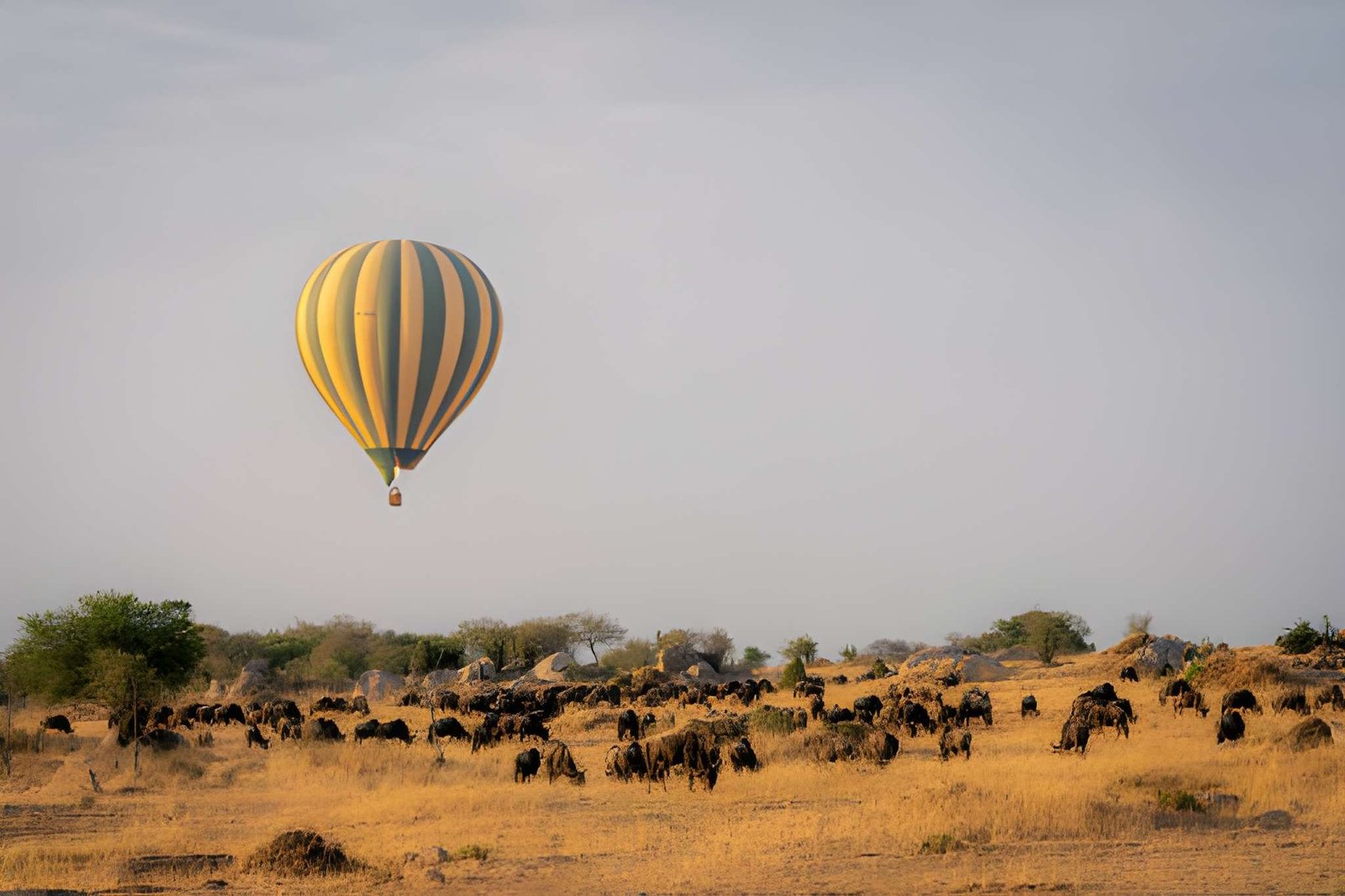
Tanzania · 10 days
Tarangire · Lake Manyara · Serengeti
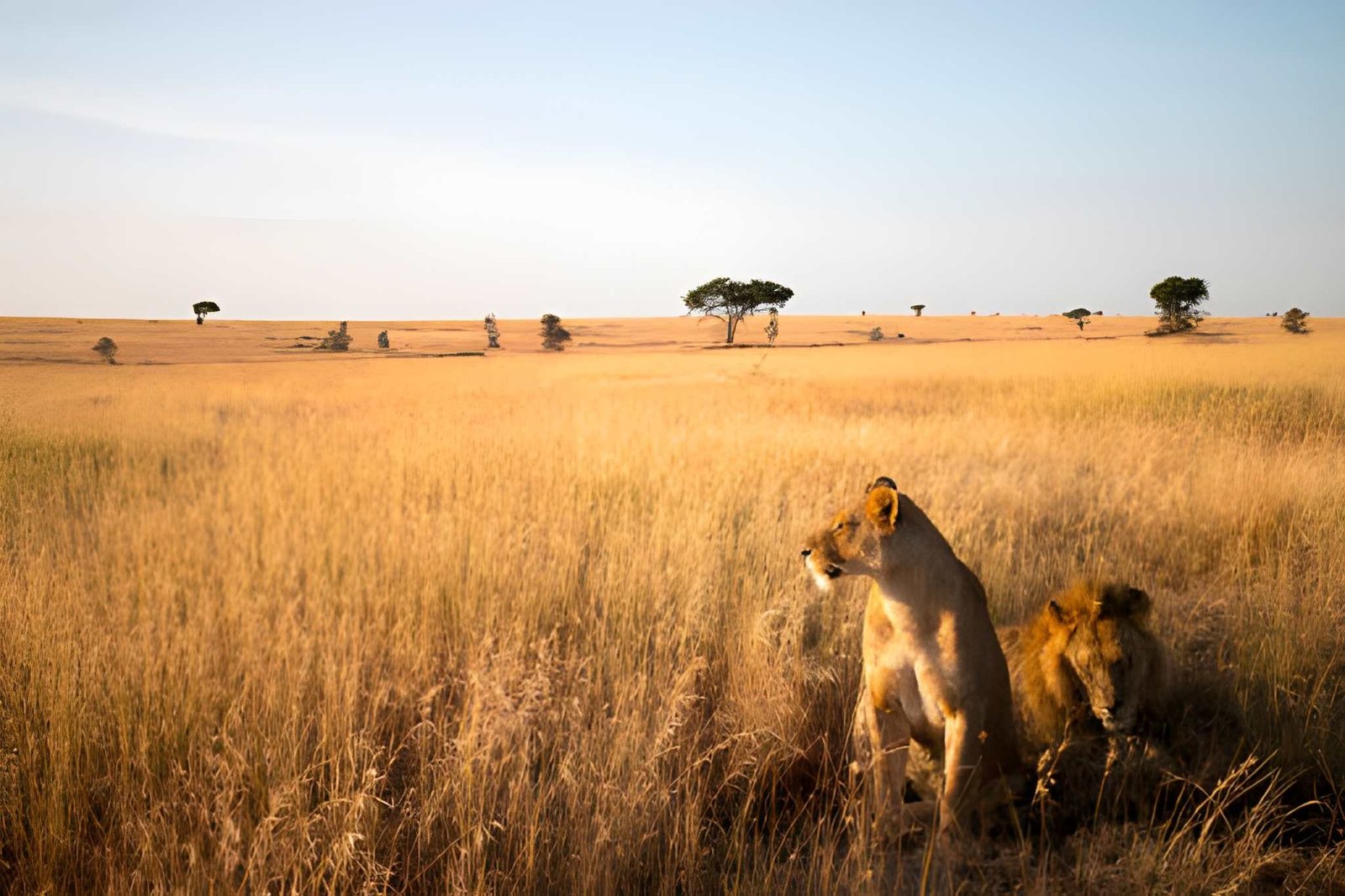
Tanzania · 4 days
Serengeti
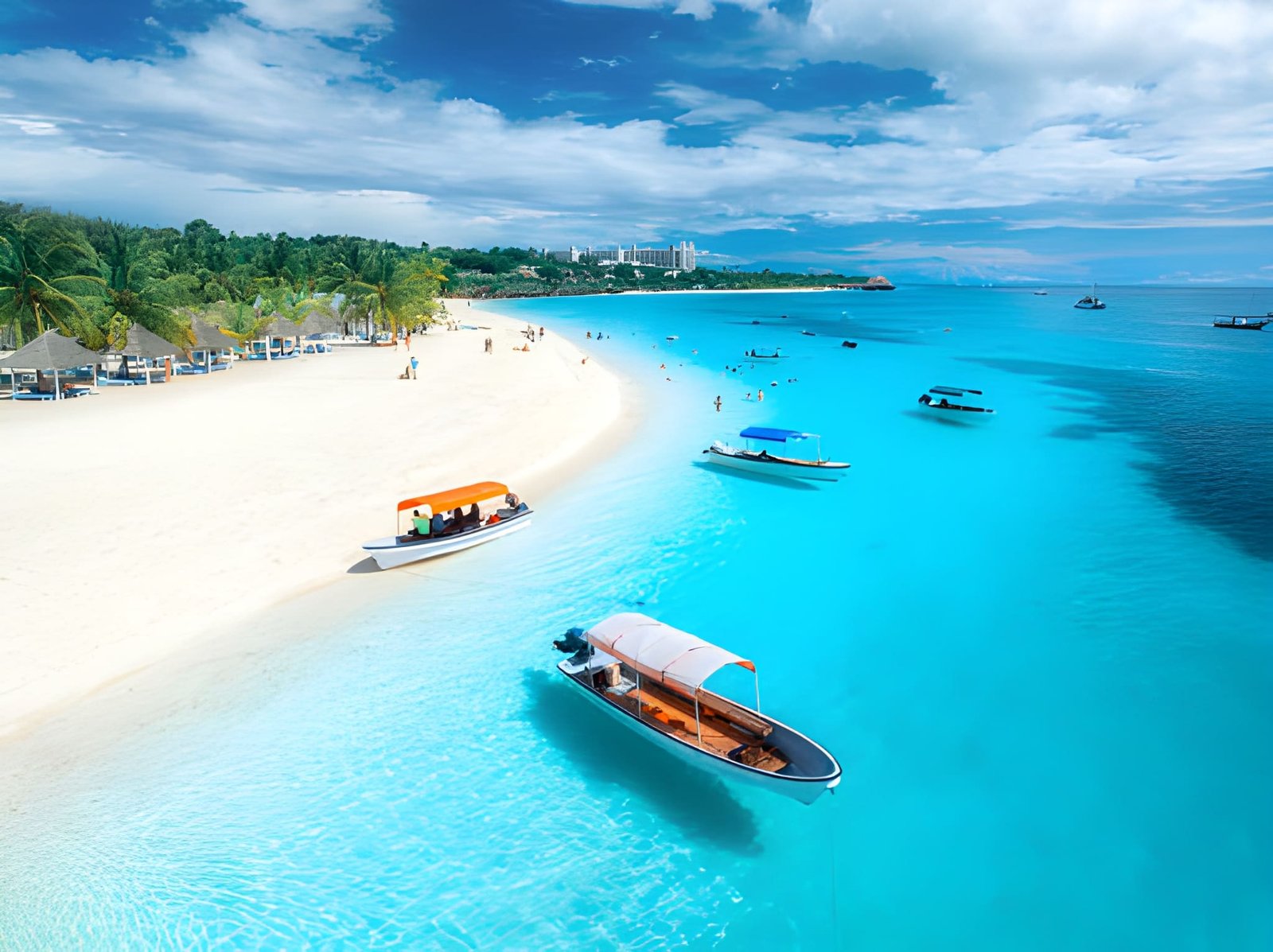
Tanzania · 5 days
Serengeti · Ngorongoro
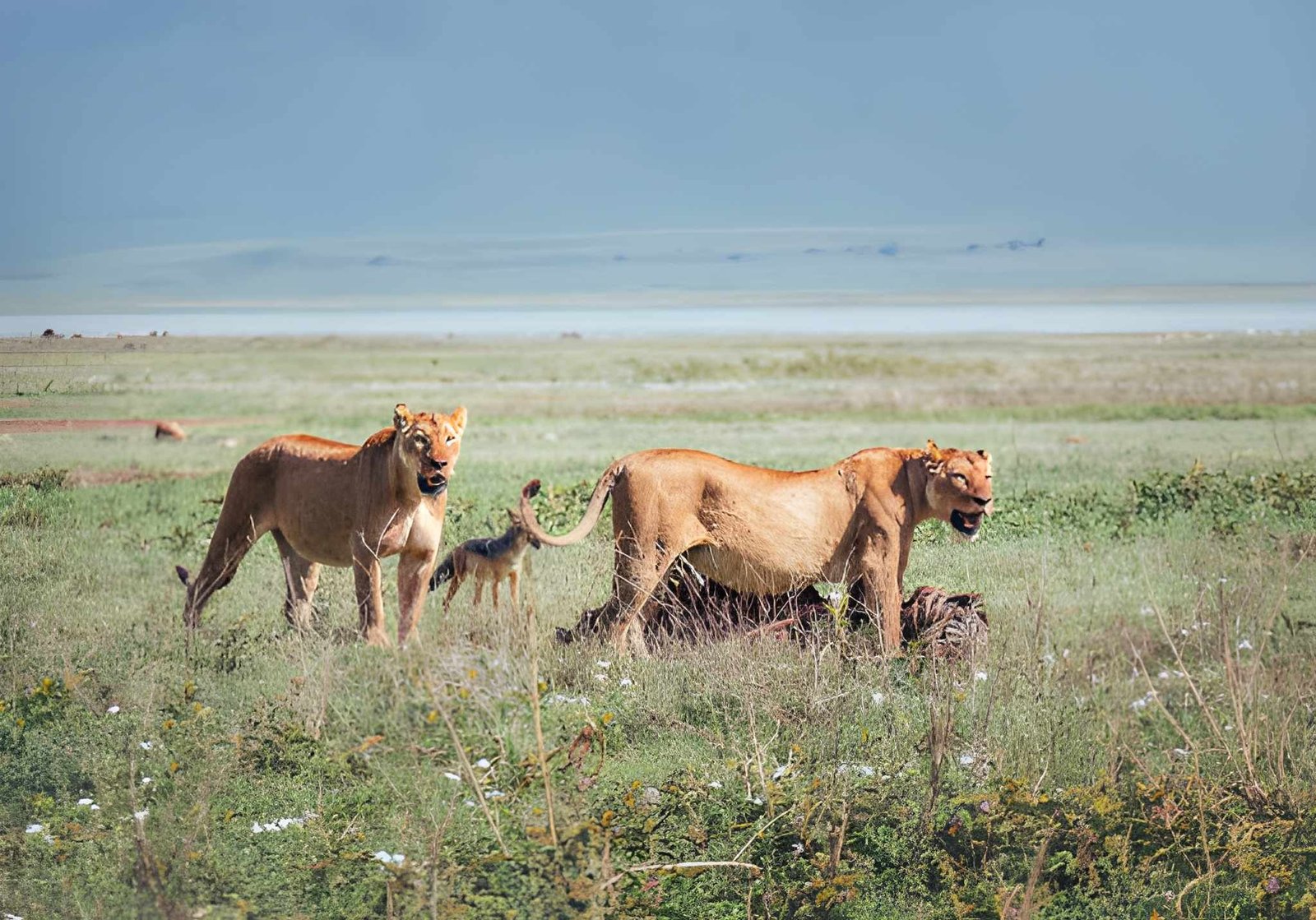
Tanzania · 2 days
Ngorongoro
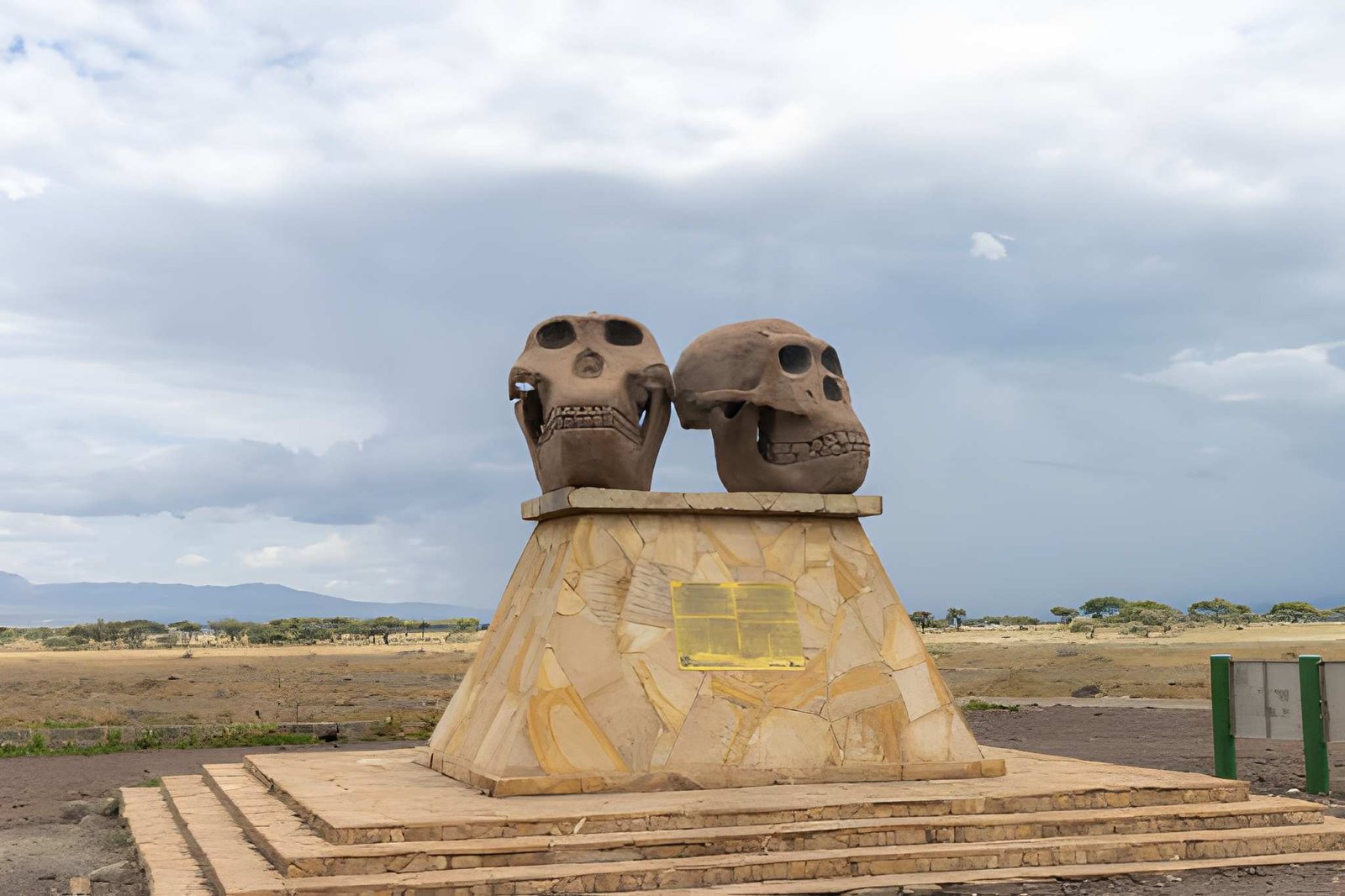
Tanzania · 5 days
Serengeti · Ngorongoro
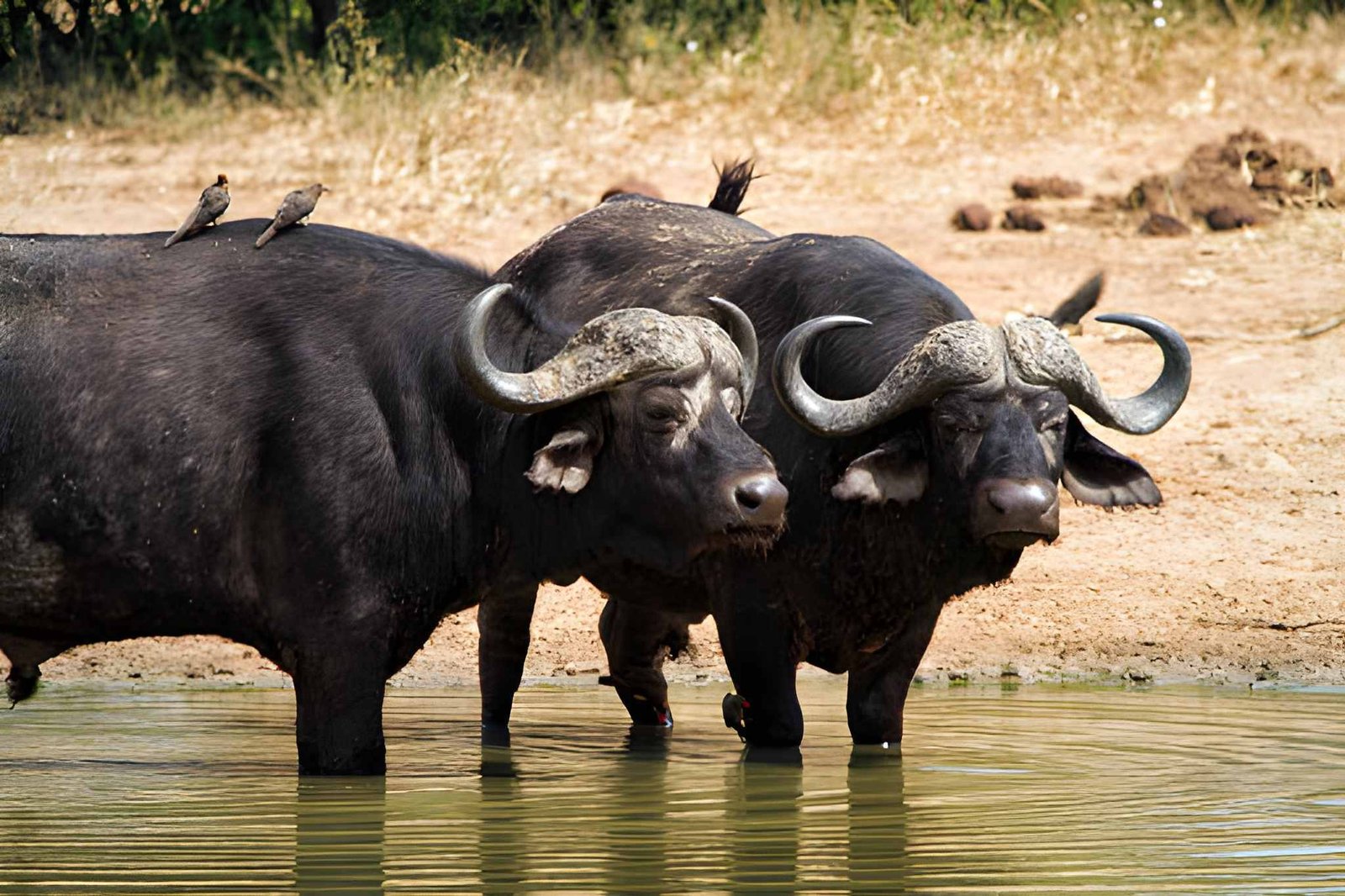
Tanzania · 6 days
Tarangire · Ngorongoro
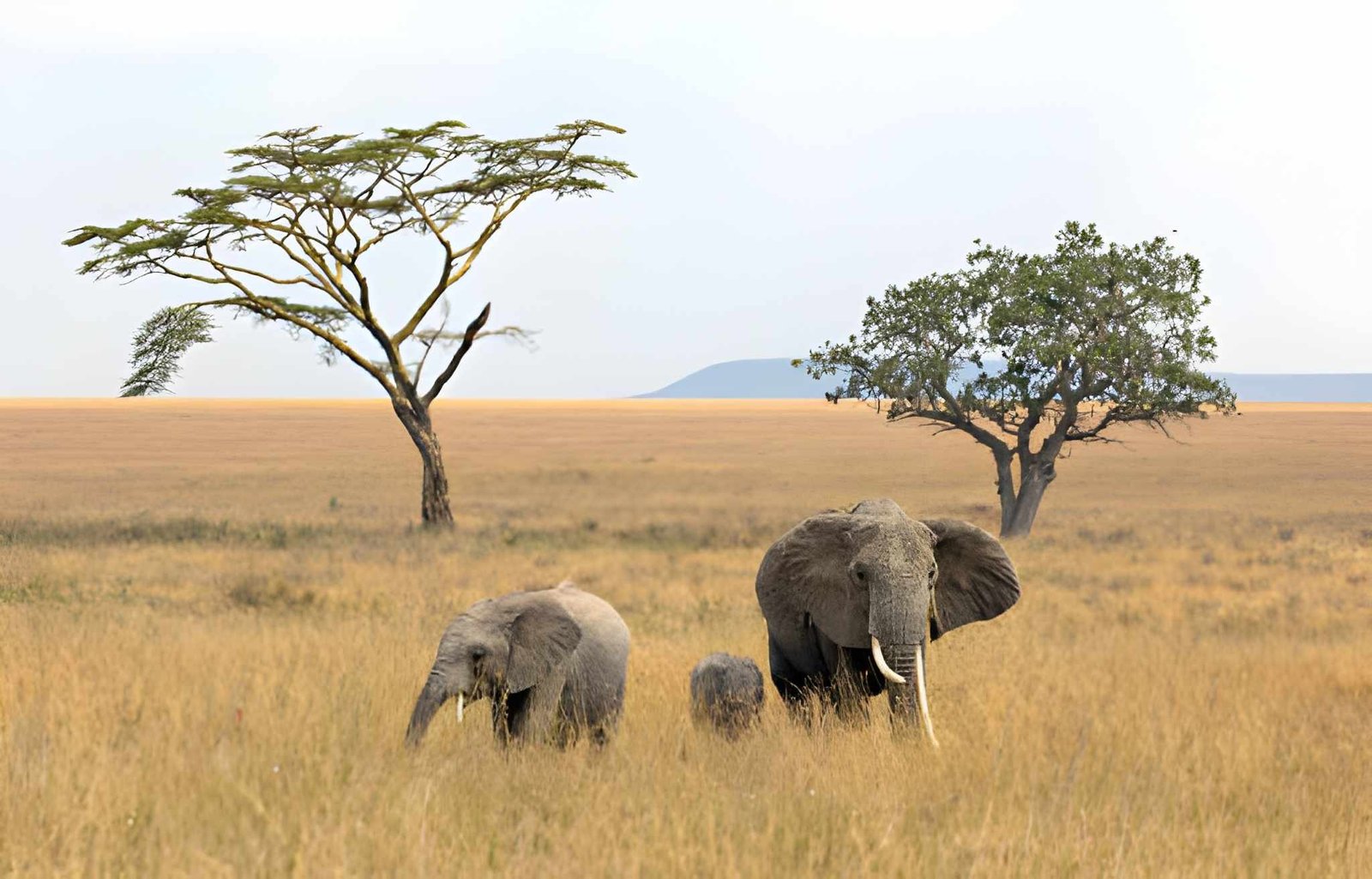
Tanzania · 11 days
Tarangire · Ngorongoro · Serengeti · Lake Natron
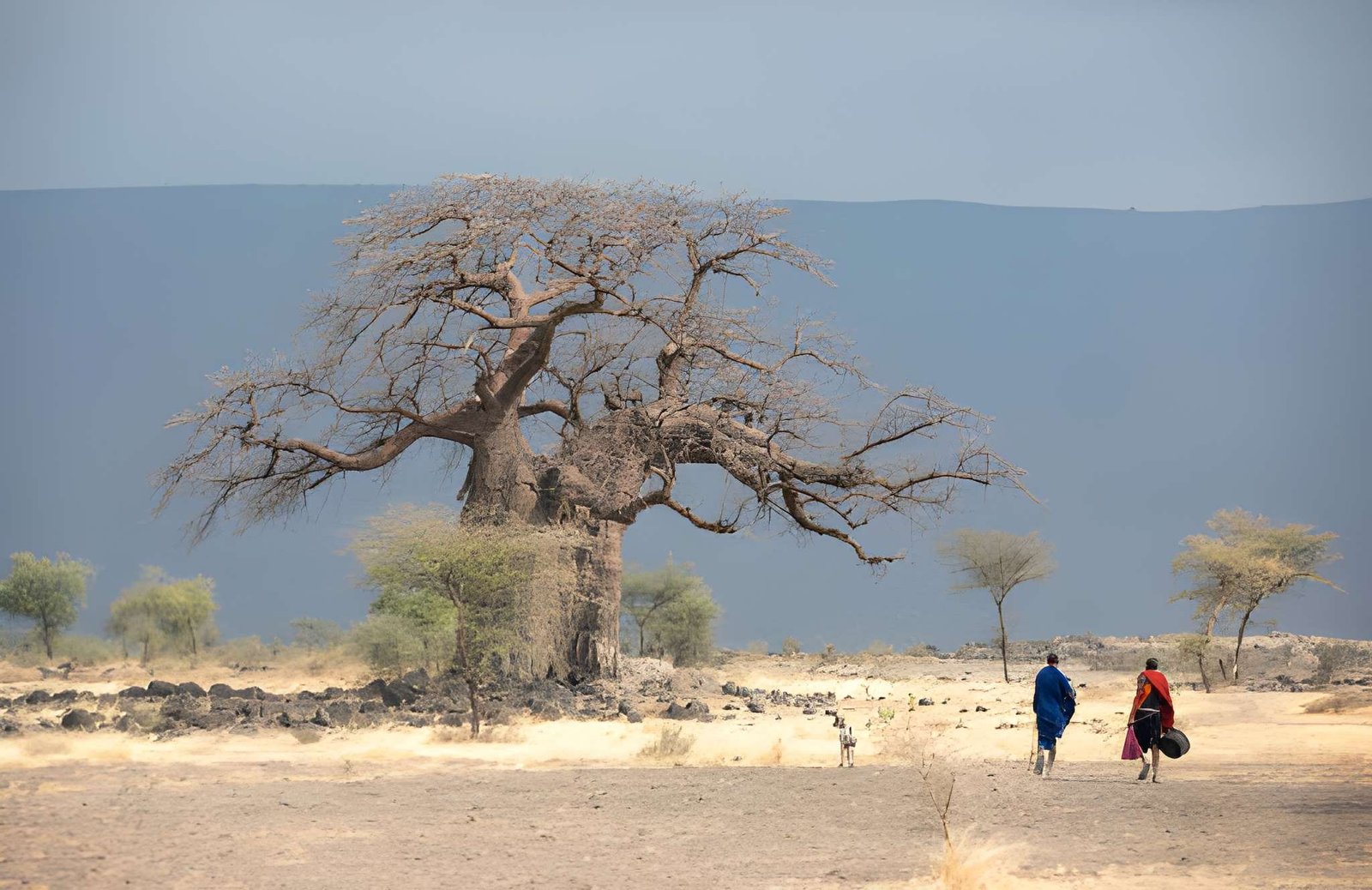
Tanzania · 15 days
Tarangire · Ngorongoro · Serengeti · Lake Natron
Tanzania · 4 days
Ngorongoro
Stay in 中文
Comfortable lodges and hotels in and around Arusha.

Tell us your plans and we will include the Arusha Declaration Museum in a city tour.
Usually replies within minutesHeritage
On 5 February 1967, President Julius Nyerere announced the Arusha Declaration, outlining a vision of a self-reliant, socialist Tanzania. The meeting that produced it was held in this very building.
Ten years later, the hall became a museum to preserve this chapter of history. Today, its exhibitions and education programmes raise awareness of past social and economic challenges as the foundation for a peaceful society.
A 1967 policy statement by President Julius Nyerere setting out Tanzania's path of socialism and self-reliance.
In the Kaloleni area of central Arusha, near the Uhuru Torch monument.
About one hour.
A small entrance fee applies.
Yes, with an Arusha city tour, the Cultural Heritage Centre or the Natural History Museum.
Yes, it is an important educational resource for history and civics.
Your safari starts here
Let Gip Adventure include the Arusha Declaration Museum in your Arusha city tour.
Chat with usOnline