
The Ngorongoro Crater
The world's largest intact volcanic caldera holds one of the greatest year-round concentrations of wildlife in Africa.

Climbing Kilimanjaro
The complete guideRoutes & fitness calculatorWhat to packOur climbs
6-Day Kilimanjaro: Marangu Route7-Day Kilimanjaro: Machame Route6-Day Kilimanjaro: Umbwe Route7-Day Kilimanjaro: Rongai Route7-Day Kilimanjaro: Shira Plateau / Morrum Barrier Route9-Day Kilimanjaro: Lemosho Route4-Day Mount Meru Trek5-Day Ol Doinyo Lengai & Lake Natron Trek10-Day Kilimanjaro Trekking & Wildlife Safari11-Day Kilimanjaro Trekking & Wildlife SafariTour styles
Big 5 Safaris (7)Great Migration Safaris (6)Classic Wildlife Safaris (32)Wildlife-Themed Safaris (8)Fly-in & Luxury Safaris (8)Honeymoon Safaris (6)Mountain Trekking (10)Beach & Zanzibar Holidays (9)Gorilla & Primate Safaris (19)Multi-Country & Combination Safaris (9)Helicopter Safaris (5)Cultural Tours (2)Day Trips (10)Family SafarisCity Tours & Airport TransfersTailor-Made / Custom TripsPlan
All toursTanzania safari guidePlan a custom tripTanzania
All of TanzaniaNational ParksGame ReservesIslandsHistorical SitesMountains & VolcanoesLakes & WaterfallsCities & CoastKenya
All of KenyaNational ParksReserves & ConservanciesMountains & CoastCitiesUganda
All of UgandaNational ParksWildlife ReservesLakes & WaterfallsCities & GatewaysMore
Cultural experiencesLodges & campsAll destinationsTanzania Conservation Areas
A vast volcanic caldera filled with wildlife, highland forests, Maasai homesteads and the cradle of mankind come together in one of the most extraordinary places on Earth.
Discover Ngorongoro
The Ngorongoro Conservation Area lies on the northern Tanzania tourism circuit and covers about 8,292 km². Established in 1959 and a UNESCO World Heritage Site, it is home to the vast Ngorongoro Crater, the world's largest intact volcanic caldera, where the Big Five of elephant, lion, leopard, buffalo and rhino can all be found on the crater floor.
Huge herds of wildebeest and zebra cross its plains during their annual migration, and livestock belonging to the semi-nomadic Maasai graze alongside wild animals. Hominin fossils found in the Olduvai Gorge date back millions of years, making Ngorongoro as important to human history as it is to wildlife.
Why Ngorongoro
Few places combine such dramatic scenery, dense wildlife and deep human history as the Ngorongoro Conservation Area.
The world's largest intact volcanic caldera holds one of the greatest year-round concentrations of wildlife in Africa.
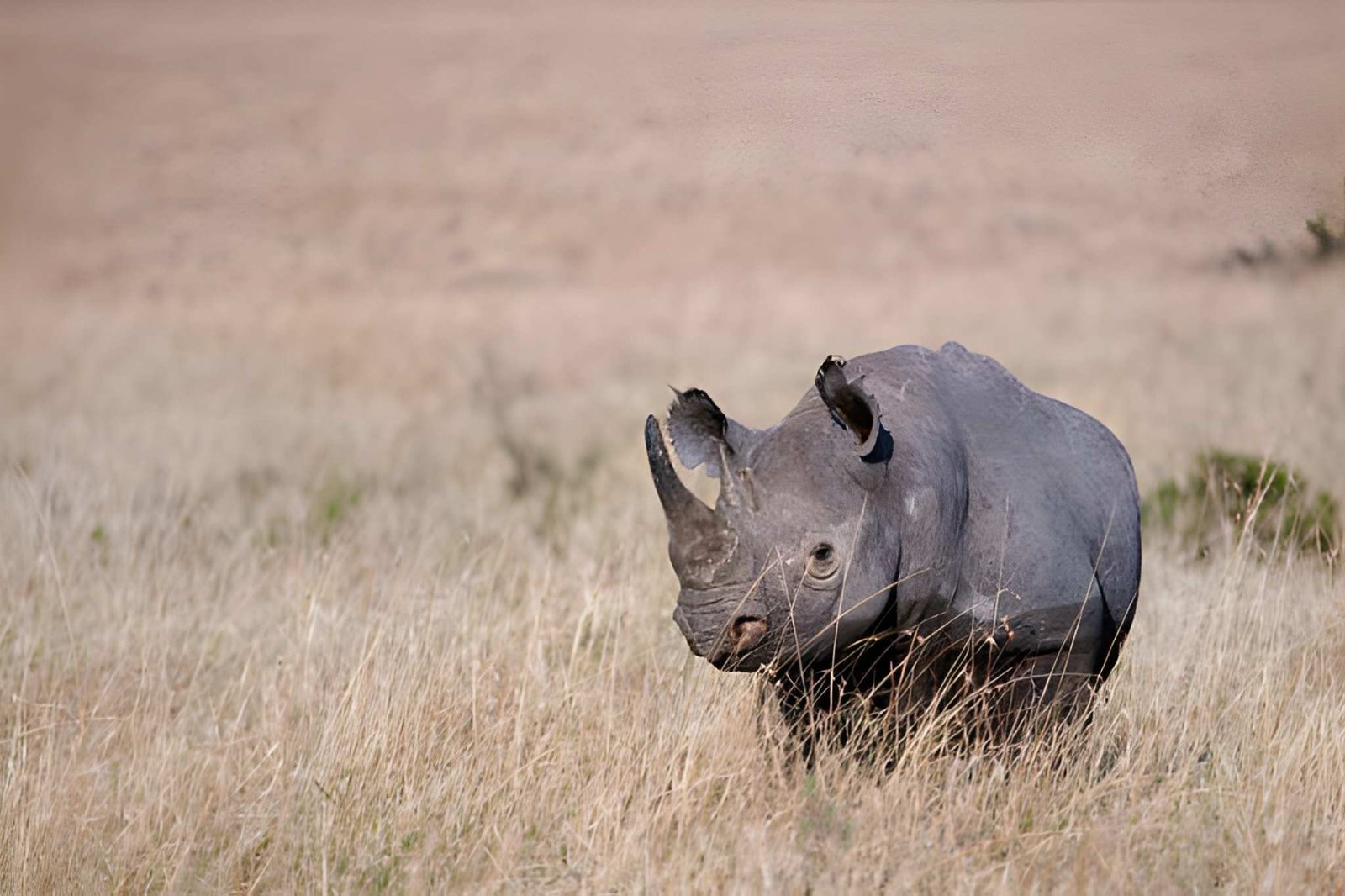
The crater is one of the best places in Tanzania to see the endangered black rhino, alongside lions, elephants, buffalo and leopards.
Maasai pastoralists live within the conservation area, and visitors can learn about their culture at designated cultural bomas.
Olduvai Gorge and the Laetoli footprints hold some of the most important records of human evolution ever found.
Location
The Ngorongoro Conservation Area lies in northern Tanzania between Lake Manyara and the Serengeti, about 180 km west of Arusha. The crater rim is roughly 3 to 4 hours' drive from Arusha, passing through the farming town of Karatu.
The conservation area forms part of the wider Serengeti ecosystem, together with Serengeti National Park, Loliondo Game Controlled Area, Maswa, Grumeti and Ikorongo game reserves and the Maasai Mara in Kenya. Its western plains merge into the southern Serengeti, where the wildebeest calve each year.
When to visit
The crater offers excellent wildlife viewing all year round, while the surrounding plains change dramatically with the seasons.
Clear skies and excellent game viewing on the crater floor, with wildlife easy to spot in the short grass. Mornings on the rim can be cold.
Green scenery returns and the migration herds begin moving onto the southern plains around Ndutu.
The plains around Ndutu and Lake Masek fill with wildebeest giving birth, while the crater remains rewarding year-round.
Lush landscapes, fewer visitors and dramatic skies. Roads can be muddy, but the crater is beautifully green.
Every month offers something special, from crater game drives to the calving season on the southern plains.
Calving season on the plains near Ndutu, with excellent crater game viewing and green scenery.
Peak calving month on the southern plains, with strong predator activity around the herds.
Calving continues and the landscape is lush before the long rains arrive.
Long rains bring dramatic green scenery and very few visitors to the crater.
The rains ease and the crater floor is at its greenest, with flamingos on Lake Magadi.
Dry season begins, with crisp mornings on the rim and clear views into the crater.
Excellent game viewing on the crater floor; pack warm layers for the early mornings.
Dry and clear, ideal for spotting black rhino, lions and elephants in the short grass.
Superb wildlife viewing continues, with the plains quieter as the migration is in the north.
Warm days and excellent visibility before the short rains begin.
Short rains refresh the landscape and herds begin to return toward the southern plains.
The migration arrives on the short-grass plains as the calving season approaches.
Explore the area
The conservation area holds nine volcanic craters, highland forests, plains and gorges, each with its own character.
Wildlife
The Big Five are very easily found in the Ngorongoro Conservation Area, and the crater is one of the few places in Tanzania where the endangered black rhino can be seen regularly. As part of the Serengeti ecosystem, the area supports one of the greatest concentrations of wildlife left on Earth.
Beyond the crater, the Olkarien Gorge in the Gol Mountains is a breeding site for hundreds of Rüppell's griffon vultures, Nasera Rock attracts klipspringers and birdwatchers, and the saline lakes of Masek and Magadi draw flamingos and other waterbirds.
Where to look: Open grassland on the crater floor
One of the best places in Tanzania to see this endangered rhino. Your guide will scan the open plains of the crater floor.
Where to look: Throughout the crater floor
The crater holds several prides, often seen resting in the open or hunting near the swamps.
Where to look: Lerai Forest and the crater swamps
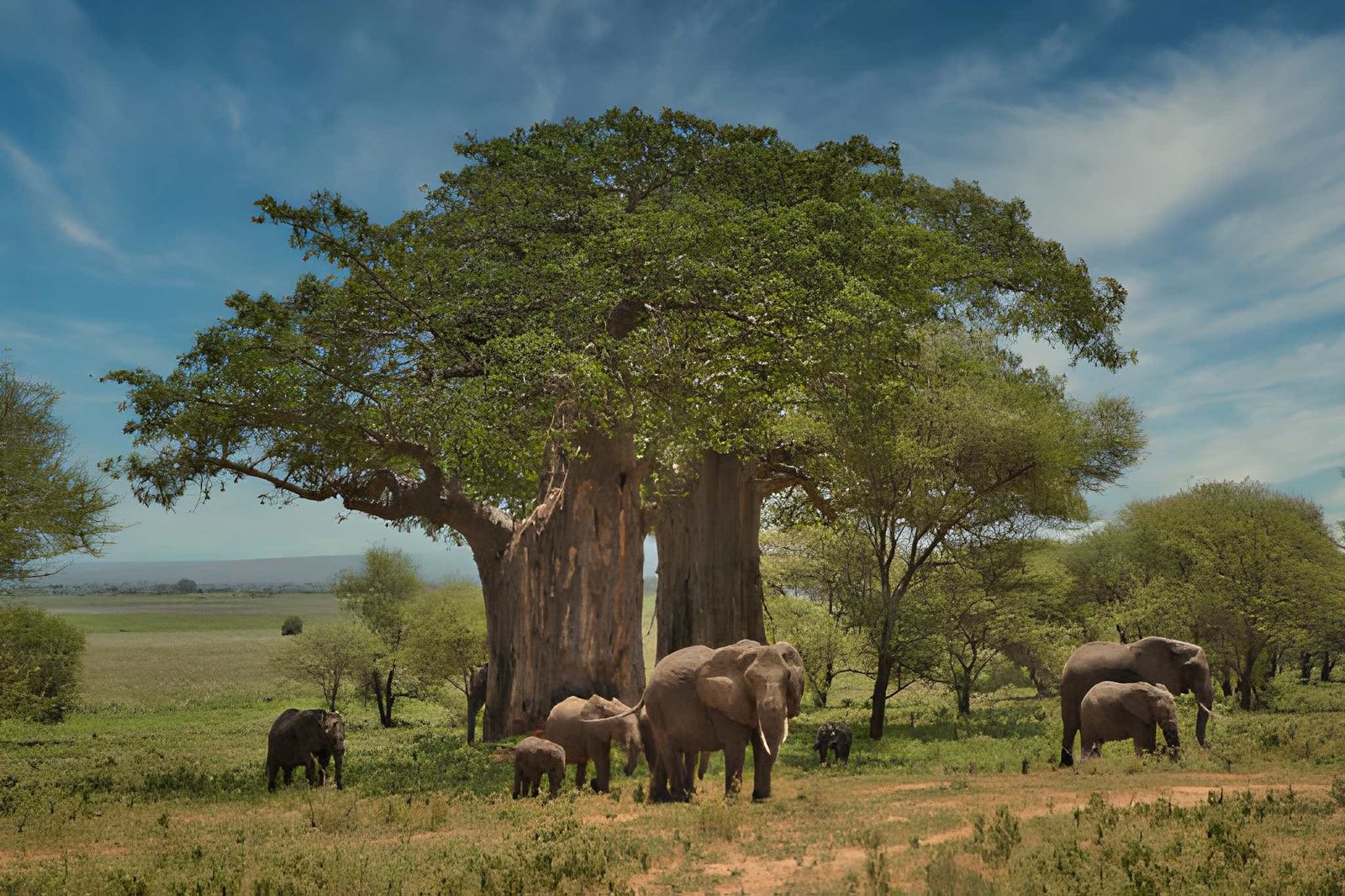
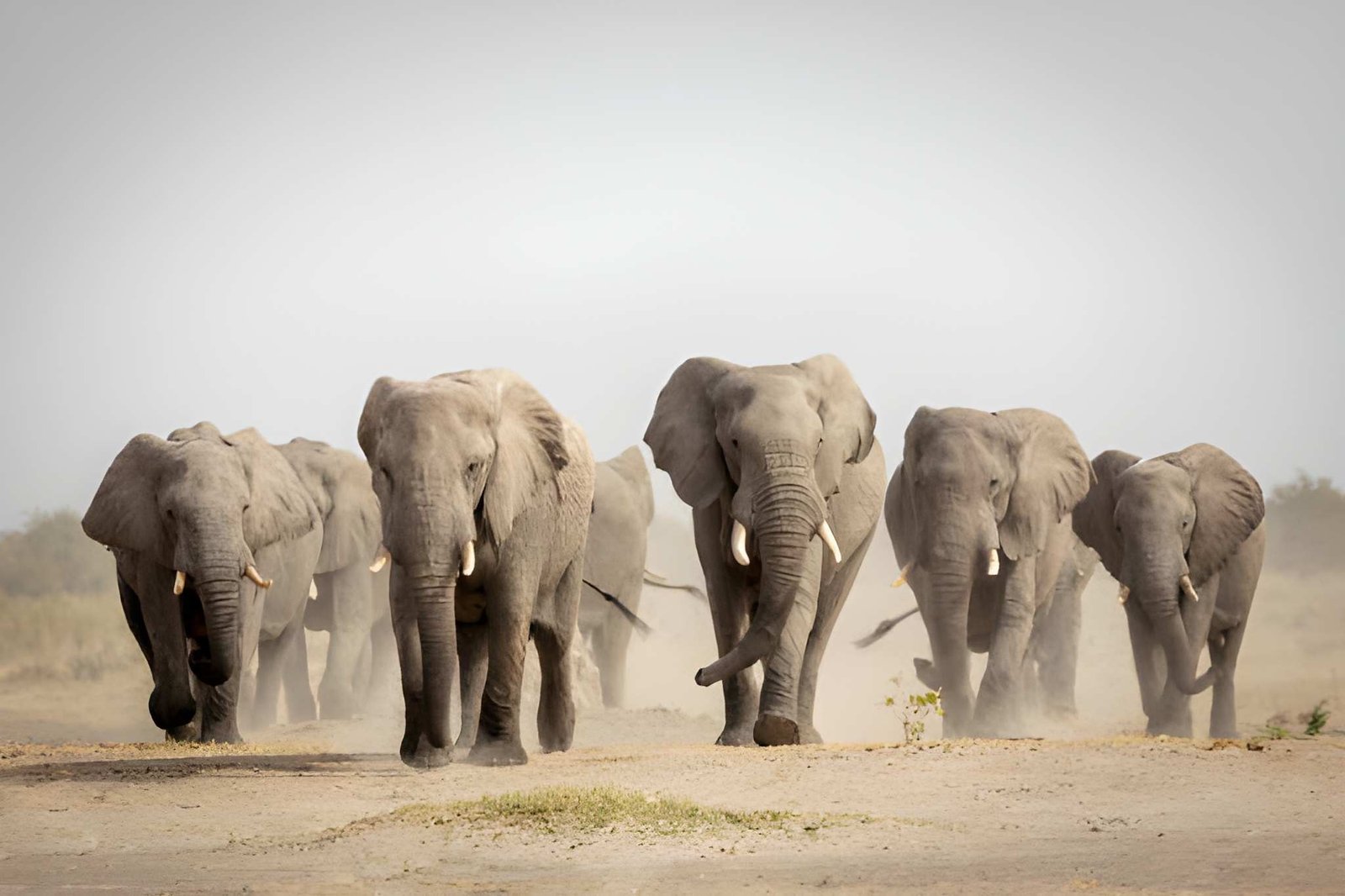
Mostly large old bulls with impressive tusks live on the crater floor, while breeding herds roam the highlands.
Where to look: Crater floor grasslands and swamps
Large herds graze the crater floor all year round.
Where to look: Highland forest on the crater rim
More likely in the forests of the rim than on the open crater floor.
Where to look: Crater floor, especially at dawn
Very common and active on the crater floor, often seen near kills.
Where to look: Crater floor and the southern plains
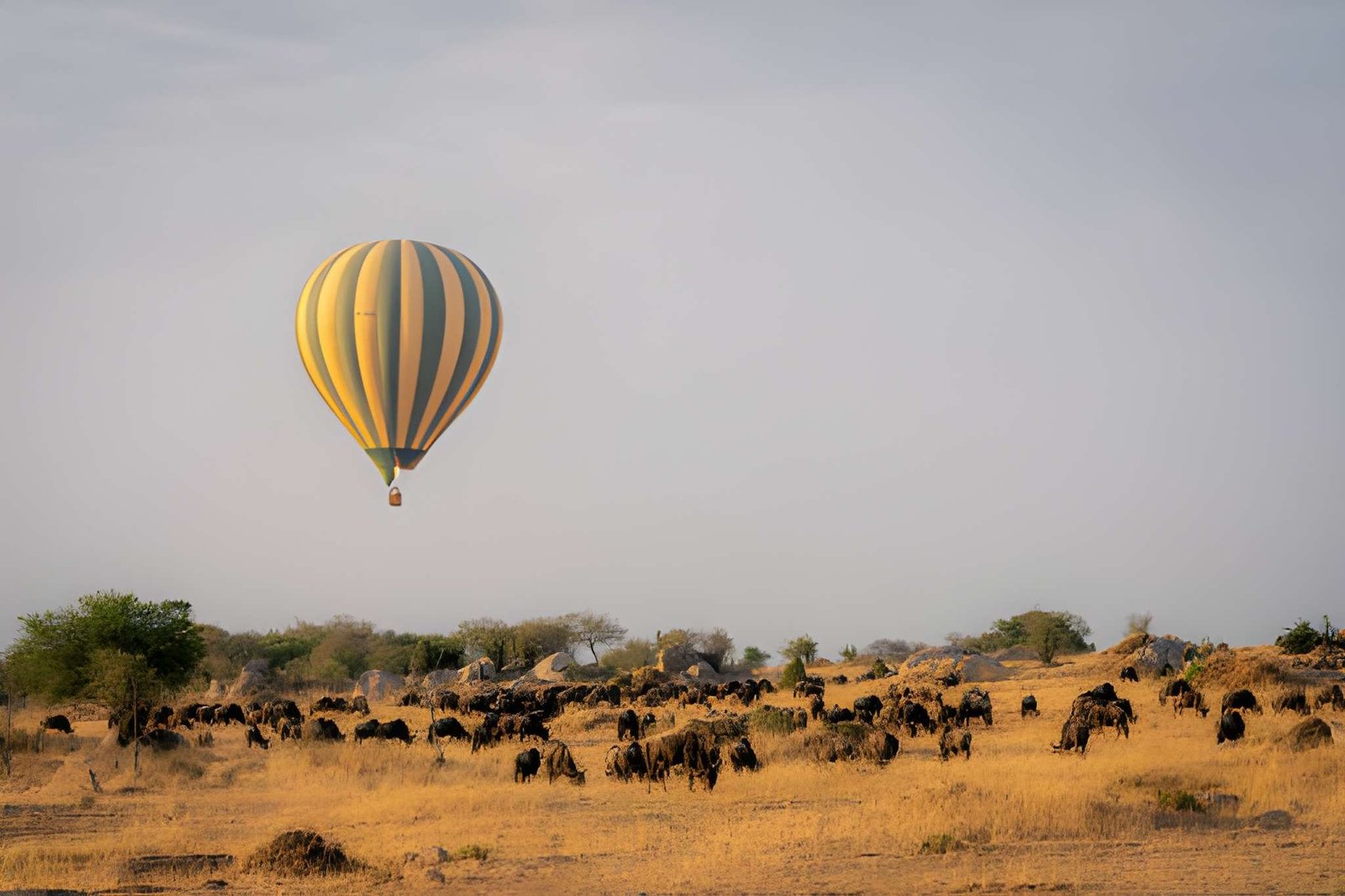
Resident herds live in the crater, while the migration fills the plains from December to March.
Where to look: Crater floor and plains
Common throughout the crater, often grazing alongside wildebeest.
Where to look: Ngoitokitok Springs and crater pools
Seen wallowing in the springs and pools of the crater floor.
Where to look: Lake Magadi on the crater floor
Flocks gather on the soda lake, especially after the rains.
Where to look: Open grassland on the crater floor
Often seen trotting across the plains or waiting near predators' kills.
Where to look: Long grass and marshes
A beautiful spotted cat that hunts rodents in the crater's long grass.

Olduvai Gorge
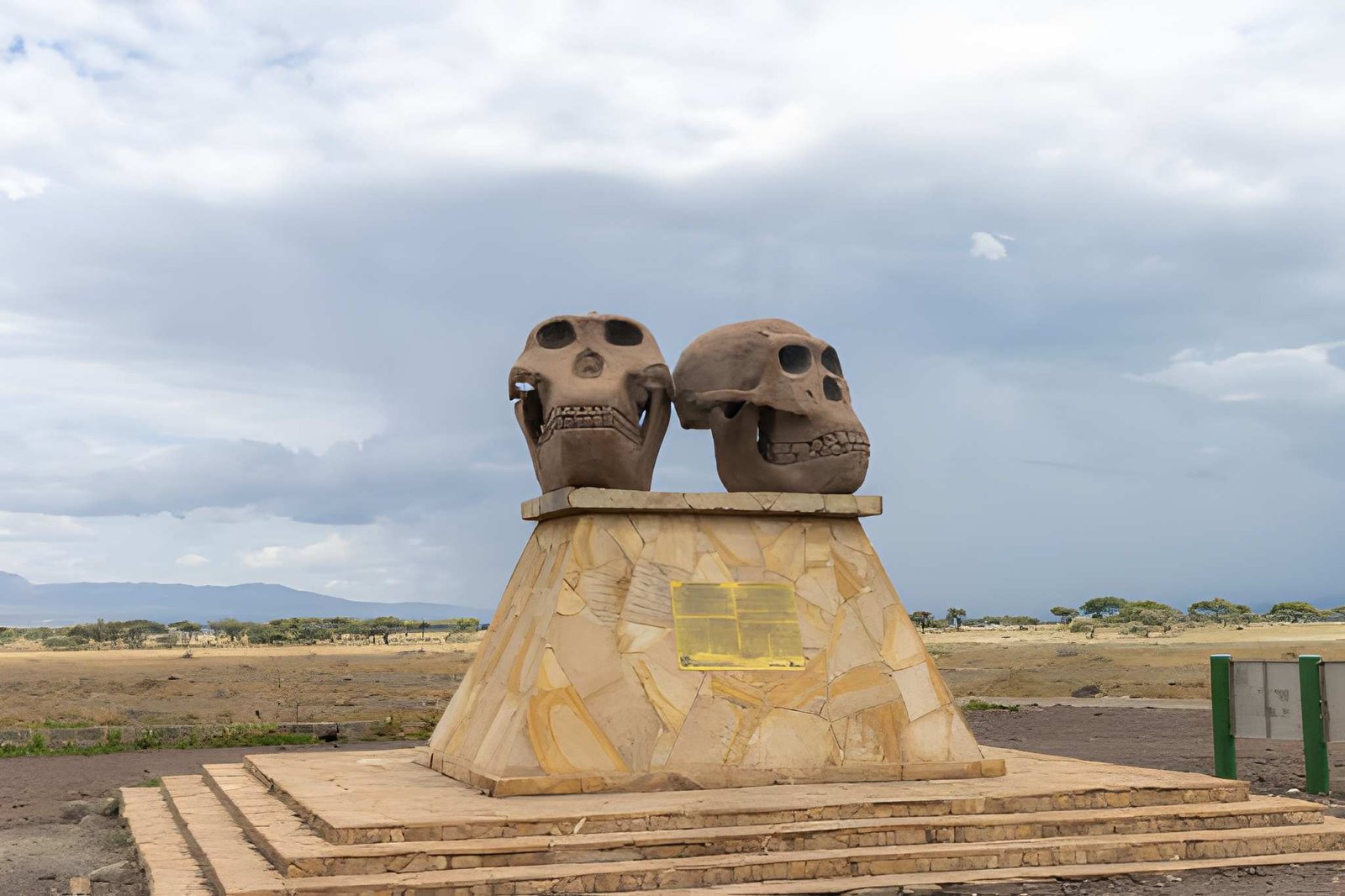
Olduvai Gorge is one of the most important archaeological sites on Earth, holding a remarkable record of animal and human evolution from about 2 million to 15,000 years ago, with stone tools, thousands of animal fossils and the fossil bones of early hominids.
Nearby at Laetoli, three separate tracks of small-brained, upright-walking early hominids were miraculously preserved in volcanic ash some 3.6 million years ago. A visit to the Olduvai museum and gorge adds a fascinating human story to any safari.
Safaris to 中文
Itineraries that include the Ngorongoro Crater, from short safaris to full northern circuit journeys.
Tanzania · 5 days
Ngorongoro · Serengeti
Tanzania · 9 days
Tarangire · Ngorongoro · Serengeti
Tanzania · 13 days
Tarangire · Lake Manyara · Serengeti · Nyerere
Tanzania · 10 days
Tarangire · Lake Manyara · Serengeti
Tanzania · 5 days
Serengeti · Ngorongoro
Tanzania · 2 days
Ngorongoro
Tanzania · 5 days
Serengeti · Ngorongoro
Tanzania · 7 days
Tarangire · Serengeti · Ngorongoro · Lake Manyara
Tanzania · 6 days
Ngorongoro · Serengeti
Stay in 中文
From lodges on the crater rim to farm stays and tented camps in the Karatu highlands.

Tell us your dates and interests and we will help you plan the perfect crater visit as part of your safari.
Usually replies within minutesHeritage
The Ngorongoro Crater was formed when a giant volcano, believed by some to have been taller than Kilimanjaro, collapsed in on itself around two to three million years ago, leaving the vast caldera we see today. The conservation area holds nine volcanic craters, with Lolmalasin the highest at about 3,700 metres.
Ngorongoro was established in 1959 as a multiple land-use area where wildlife and Maasai pastoralists live side by side, a rare model of coexistence. The Hadzabe and Datooga peoples also live in and around the area, and its unique combination of nature and culture was recognised as a UNESCO World Heritage Site.
Yes. It offers one of the highest concentrations of wildlife in Africa, a real chance of seeing black rhino and breathtaking volcanic scenery.
Most visitors spend one full day on the crater floor, often with a night on the rim or in Karatu. Add extra time for Olduvai Gorge or walking safaris.
The crater is excellent all year. June to October offers dry, clear game viewing, while January to March is the calving season on the nearby plains.
Yes. The crater is one of the best places in Africa to see all five, including the endangered black rhino.
The crater rim sits at over 2,200 metres, so mornings and evenings can be cold, especially from June to August. Bring warm layers.
Yes. Ngorongoro and the Serengeti are commonly combined, and the drive between them crosses the southern plains past Olduvai Gorge.
Your safari starts here
Let Gip Adventure take you down into the crater and through the cradle of mankind on a safari you will never forget.
Chat with usOnline