
Legendary Elephants
Amboseli's elephants are among the most studied in the world, and the park is one of the best places in Africa to watch relaxed family herds and great tuskers up close.

Climbing Kilimanjaro
The complete guideRoutes & fitness calculatorWhat to packOur climbs
6-Day Kilimanjaro: Marangu Route7-Day Kilimanjaro: Machame Route6-Day Kilimanjaro: Umbwe Route7-Day Kilimanjaro: Rongai Route7-Day Kilimanjaro: Shira Plateau / Morrum Barrier Route9-Day Kilimanjaro: Lemosho Route4-Day Mount Meru Trek5-Day Ol Doinyo Lengai & Lake Natron Trek10-Day Kilimanjaro Trekking & Wildlife Safari11-Day Kilimanjaro Trekking & Wildlife SafariTour styles
Big 5 Safaris (7)Great Migration Safaris (6)Classic Wildlife Safaris (32)Wildlife-Themed Safaris (8)Fly-in & Luxury Safaris (8)Honeymoon Safaris (6)Mountain Trekking (10)Beach & Zanzibar Holidays (9)Gorilla & Primate Safaris (19)Multi-Country & Combination Safaris (9)Helicopter Safaris (5)Cultural Tours (2)Day Trips (10)Family SafarisCity Tours & Airport TransfersTailor-Made / Custom TripsPlan
All toursTanzania safari guidePlan a custom tripTanzania
All of TanzaniaNational ParksGame ReservesIslandsHistorical SitesMountains & VolcanoesLakes & WaterfallsCities & CoastKenya
All of KenyaNational ParksReserves & ConservanciesMountains & CoastCitiesUganda
All of UgandaNational ParksWildlife ReservesLakes & WaterfallsCities & GatewaysMore
Cultural experiencesLodges & campsAll destinationsKenya National Parks
Parades of elephants crossing dusty plains with the snows of Kilimanjaro floating above them: Amboseli delivers one of the most iconic views in all of Africa.
Discover Amboseli
Amboseli National Park is one of Kenya's top safari destinations, famous for its big parades of elephants and its stunning views of majestic Mount Kilimanjaro, which rises just across the border in Tanzania. The park covers about 392 km², and its vegetation is dominated by acacia woodland, rocky thorn bushes, swamps and marshlands, along with the seasonal Lake Amboseli, a remnant of a much larger Pleistocene lake.
Located in southern Kenya on the border with Tanzania, Amboseli is one of the closest major protected areas to the capital, Nairobi. It is renowned for its elephants, some of the most studied in Africa and including famous big-tusked bulls, and it commands breathtaking views of Kilimanjaro, especially in the clear light of early morning and late afternoon.
Beyond the elephants, Amboseli offers excellent birdlife, a wide variety of plains game and predators, the pyramid-shaped Observation Hill and a living Maasai culture in the surrounding group ranches, making it a must-visit destination on any Kenya safari.
Why Amboseli
Few parks are as photogenic or as easy to enjoy: compact plains, permanent swamps and a mountain backdrop that never fails to impress.
Amboseli's elephants are among the most studied in the world, and the park is one of the best places in Africa to watch relaxed family herds and great tuskers up close.
On clear days Africa's highest mountain dominates the horizon, creating unforgettable photographs of wildlife against its snowy summit.
Fed by underground water from Kilimanjaro, the swamps stay green all year and attract elephants, buffalo, hippos and hundreds of birds.
A pyramid-shaped hill where you can climb out of the vehicle for panoramic views over the swamps, plains and Lake Amboseli.
Amboseli sits within Maasai land, and visits to Maasai villages offer insight into a traditional pastoral way of life.
Amboseli is reachable from both Nairobi and Arusha, making it the natural link between Kenya and Tanzania safaris.
Location
Amboseli lies in Kajiado County in southern Kenya, right on the Tanzanian border at the northwestern foot of Mount Kilimanjaro. From Nairobi it is about 240 km, a drive of around 4 to 5 hours, either via Emali on the Nairobi–Mombasa highway or via Namanga. Scheduled and charter flights from Nairobi's Wilson Airport land at the Amboseli airstrip in under an hour.
From Arusha the route runs north to the Namanga border post (about 110 km, roughly 2 hours), then east on a gravel road to the park's Meshanani gate. Allowing time for border formalities, the full journey from Arusha usually takes 4 to 5 hours, which makes Amboseli an ideal first or last stop on a combined Tanzania and Kenya safari. Tsavo West lies a few hours to the east.
When to visit
Amboseli is rewarding year-round, but the dry seasons bring the clearest mountain views and the densest wildlife around the swamps.
The best time for game viewing. Elephants and plains game concentrate around the swamps, though afternoons can be dusty and hazy.
Brief showers settle the dust and green the plains. Migrant birds arrive and Kilimanjaro is often clear after the rain.
Warm, often clear days with excellent Kilimanjaro views, many young animals and good wildlife viewing.
The wettest months, with lush grass, flowering plants and few visitors. Some tracks can be muddy and the lake may fill with water.
For mountain views and concentrated wildlife aim for the dry months; for green scenery and birding the rains have their own appeal.
Warm and fairly dry, with clear Kilimanjaro views and many newborn animals.
One of the best months for photography, with clear skies and active wildlife.
Long rains begin, freshening the plains and bringing very few visitors.
Usually the wettest month; the landscape is green and Lake Amboseli may hold water.
Rains ease and the park is lush, with excellent birdlife around the swamps.
The dry season begins and wildlife starts concentrating near the swamps.
Excellent elephant viewing as herds gather in the marshes to feed and drink.
Peak dry season, with big herds of elephants, buffalo and wildebeest.
Dry and rewarding, with dust devils on the plains and reliable game near water.
Hot and dry, with dramatic concentrations of wildlife before the rains.
Short rains return, settling the dust and greening the grass.
Green and peaceful, with migrant birds and frequent clear mountain mornings.
Explore the area
Amboseli may be compact, but its swamps, dry lakebed and hills each offer a different safari experience.
Wildlife
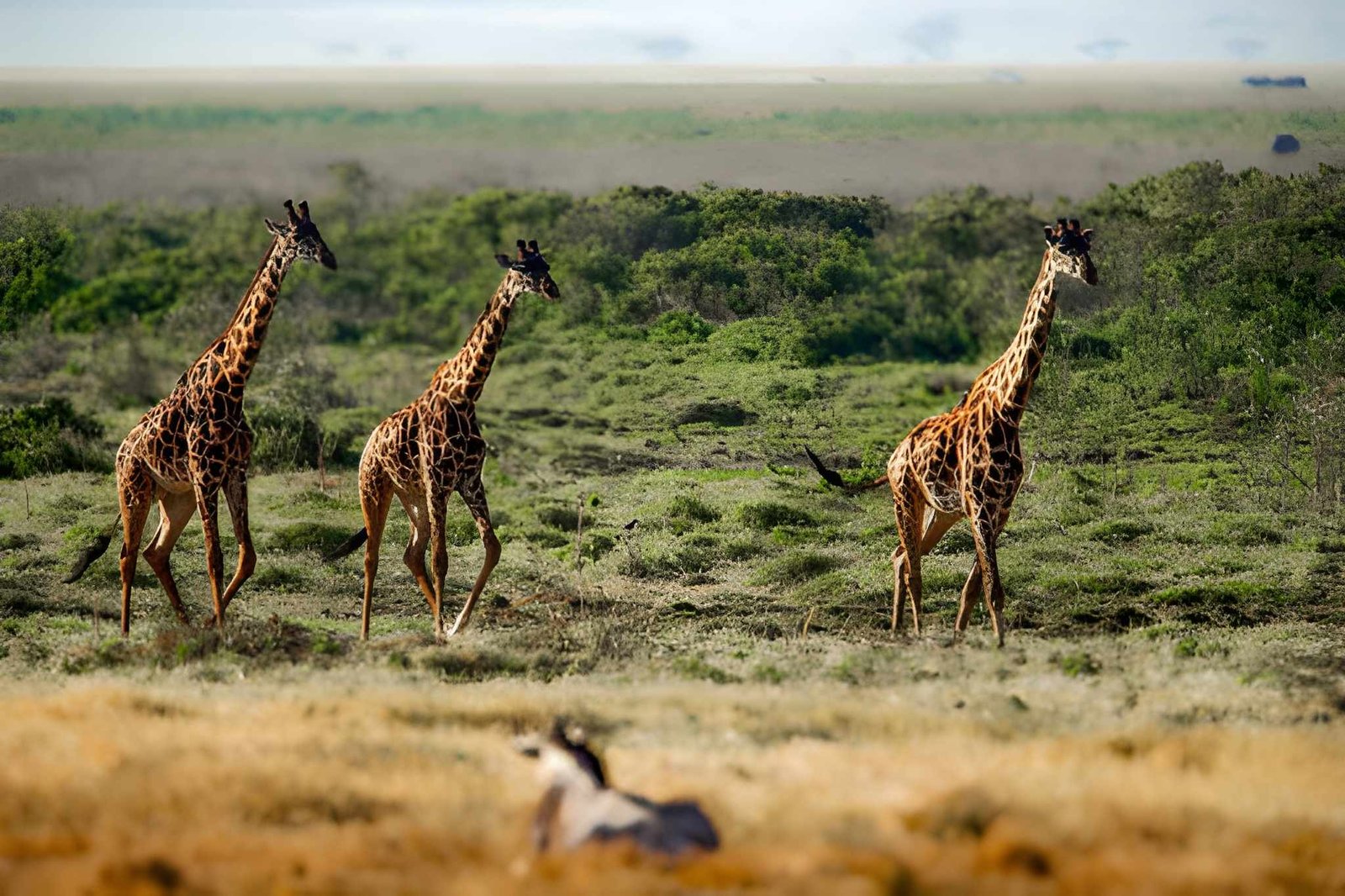
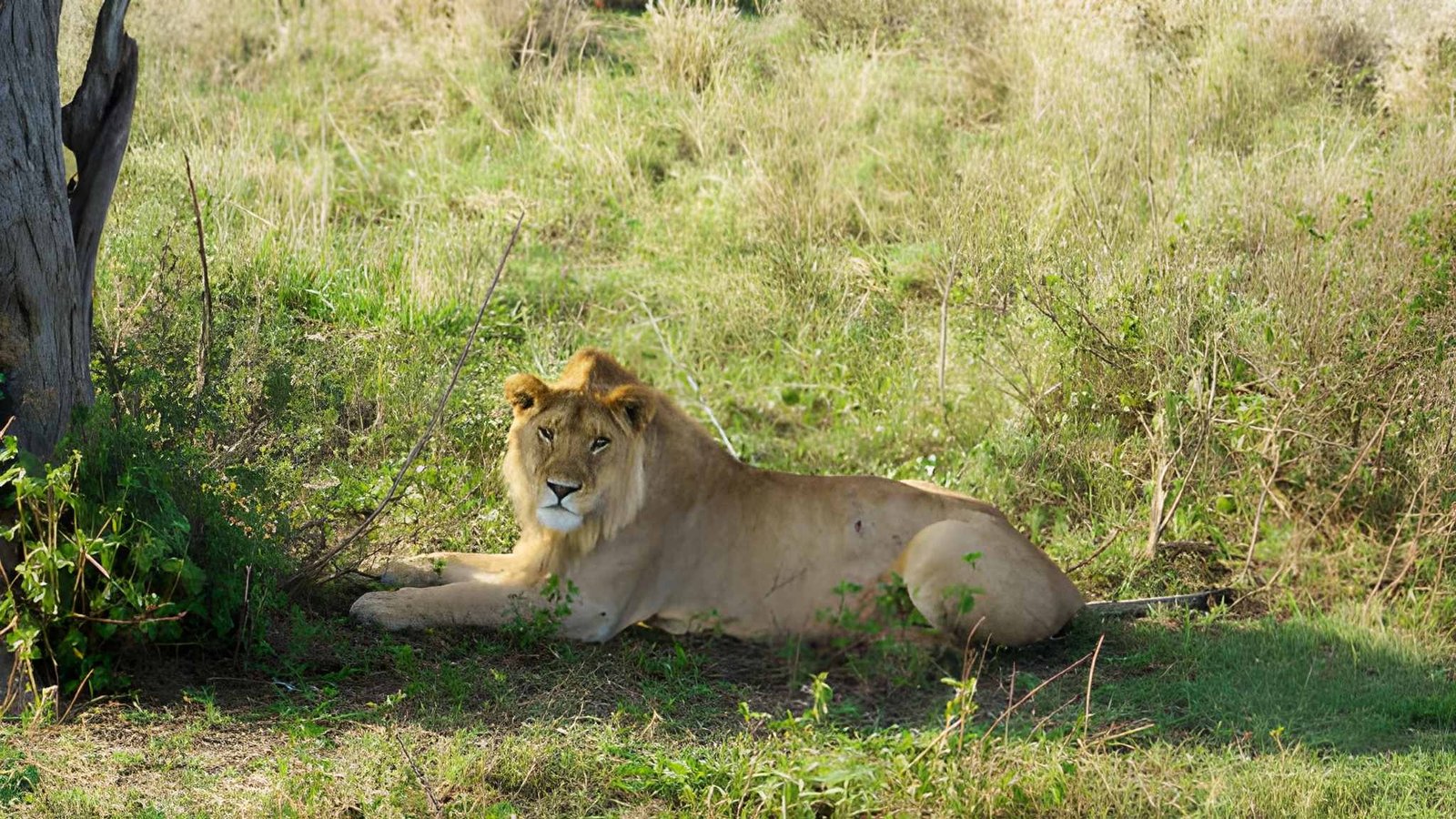
Amboseli's wildlife revolves around its swamps. Elephants are the stars, with large family herds and some of the last great tuskers in Africa moving between the woodland and the marshes each day. Buffalo, hippos, wildebeest, zebras, giraffes, impalas, Grant's and Thomson's gazelles are common, while lions, cheetahs, spotted hyenas and jackals hunt the open plains.
The park is also an excellent birding destination, with hundreds of species recorded, from pelicans, herons and egrets in the swamps to Kori bustards and secretary birds on the plains. Rhinos are not currently found in the park, so Amboseli is best enjoyed as part of a wider Kenya safari if the full Big Five is a priority.
Where to look: Throughout the park, especially the swamps
Amboseli's signature animal, often seen in large herds crossing the plains with Kilimanjaro behind.
Where to look: Open plains and swamp edges
Prides hunt across the plains and are seen regularly, especially in the dry season.
Where to look: Enkongo Narok and other swamps
Herds graze the lush swamp grasses and wallow in the marshes.
Where to look: Acacia woodland
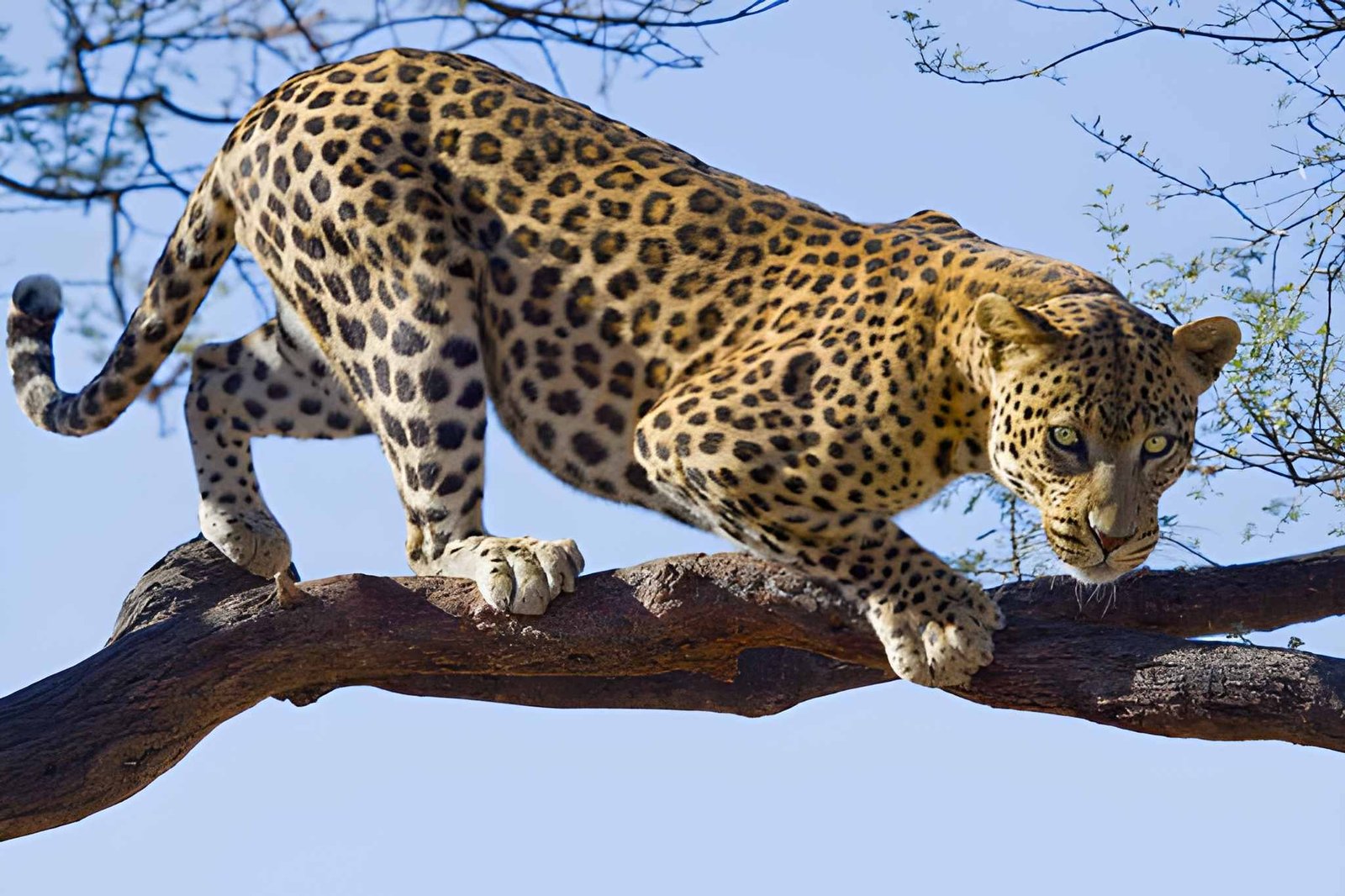
Present but rarely seen in Amboseli's open landscape.
Where to look: Open plains
Amboseli's open country suits cheetahs, which are seen from time to time hunting gazelles.
Where to look: Swamps and pools
Hippos spend the day in the swamps, often surrounded by egrets and herons.
Where to look: Acacia woodland
Commonly seen browsing on the woodland edges, sometimes with Kilimanjaro in the frame.
Where to look: Plains and swamp margins
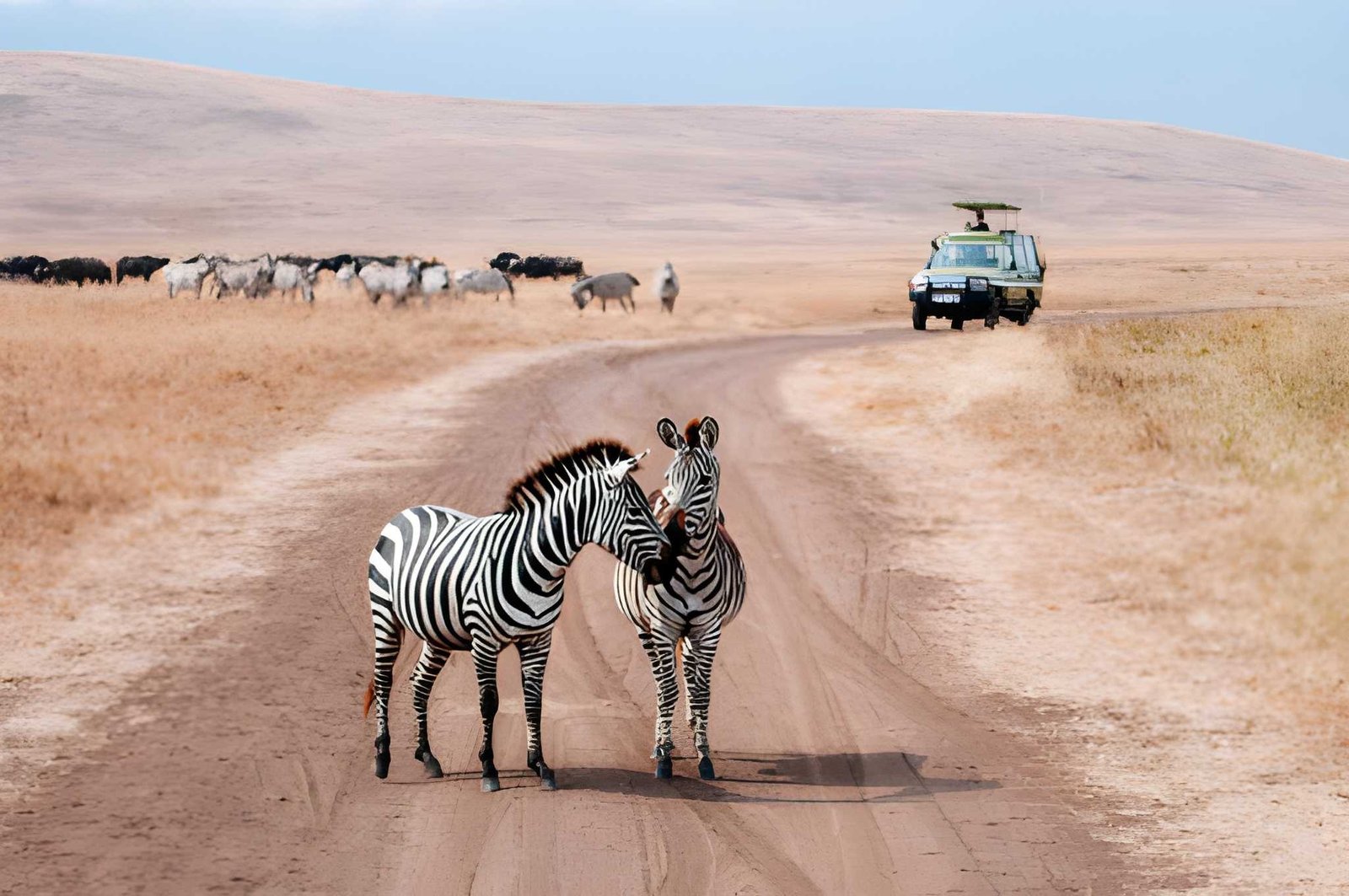
Large herds of plains zebra graze alongside wildebeest across the park.
Where to look: Open plains
Common grazers, especially numerous in the dry season near the swamps.
Where to look: Plains and around kills
Frequently seen on early-morning drives, often near dens or kills.
Where to look: Swamps and flooded areas
Pelicans, herons, egrets and many other water birds gather in the swamps.
Where to look: Dry open plains
One of the world's heaviest flying birds, striding through the short grass.

Elephants of Amboseli
Every morning, Amboseli's elephant families walk out of the woodland and across the dusty plains towards the swamps, where they feed and bathe through the heat of the day. Watching a herd stride past with Kilimanjaro's snowy summit glowing behind them is one of the defining moments of an African safari.
Amboseli's elephants have been studied for decades, so many are known individually, and the park remains one of the best places on the continent to see big-tusked bulls. Early mornings offer the clearest mountain views and the softest light for photography.
Safaris to 中文
Itineraries that include Amboseli, often combined with Tsavo, Lake Nakuru, the Masai Mara or a Tanzania safari from Arusha.
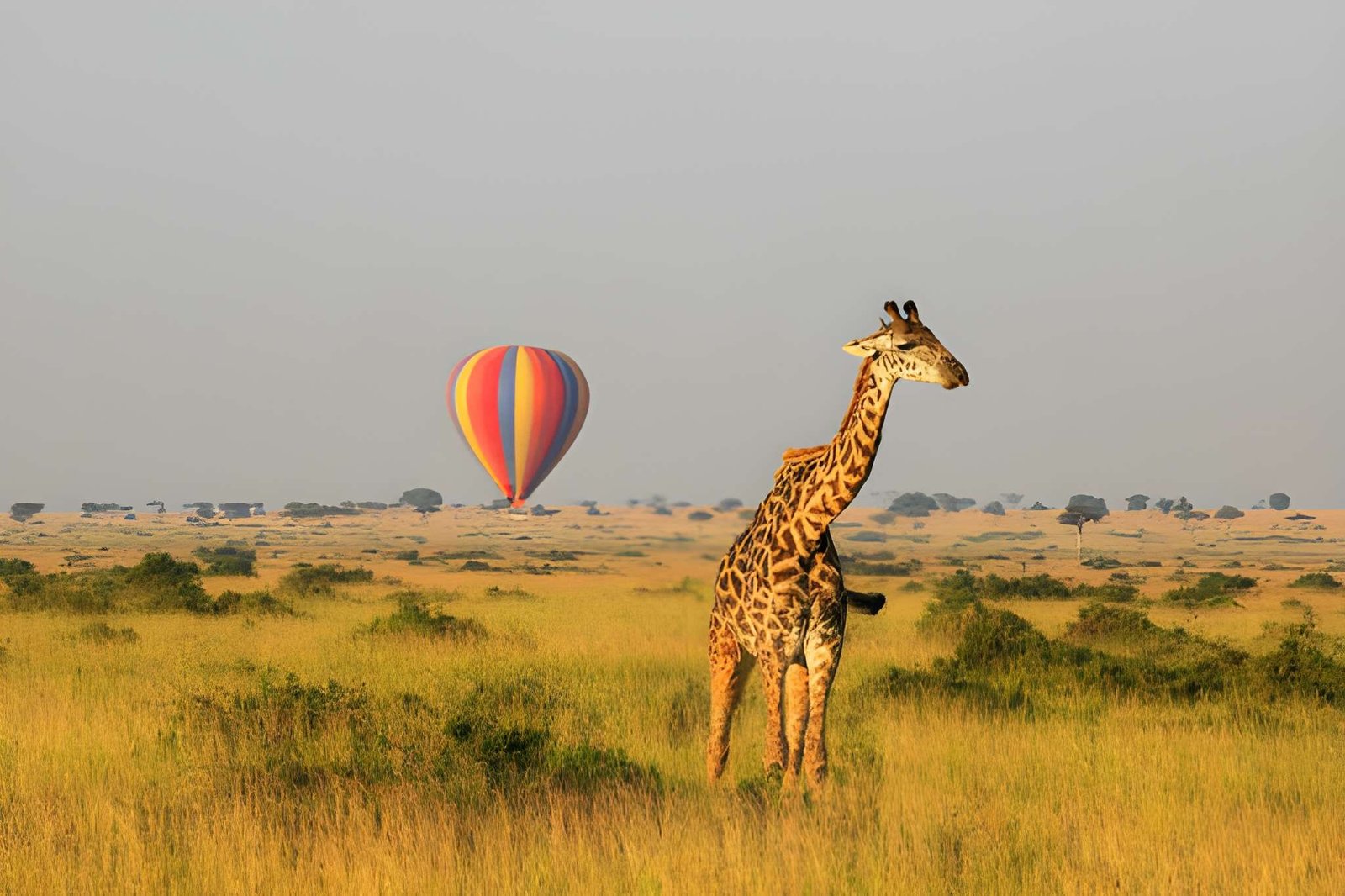
Kenya · 7 days
Amboseli · Lake Naivasha · Masai Mara
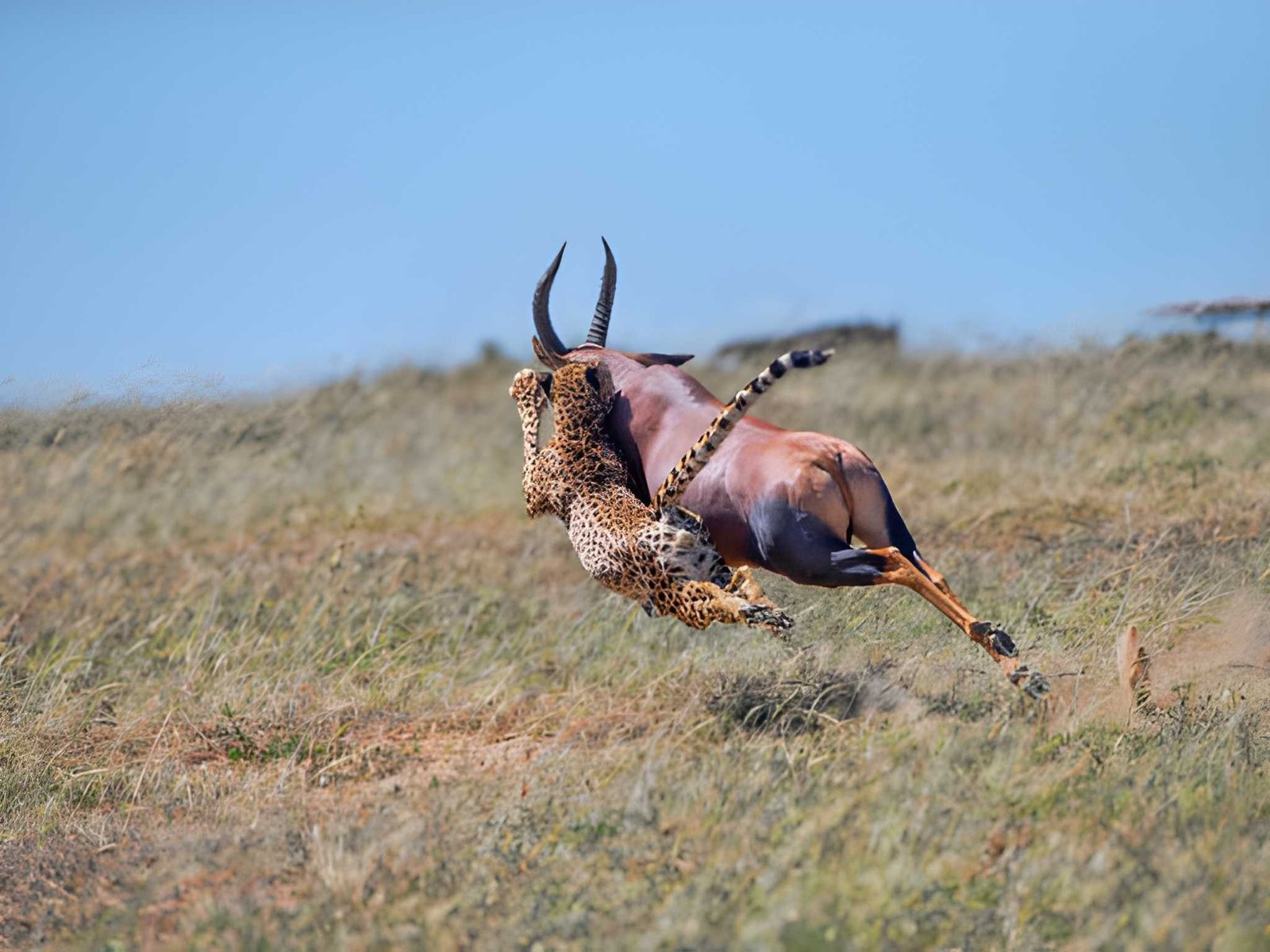
Kenya · 8 days
Amboseli · Lake Naivasha · Lake Nakuru · Masai Mara
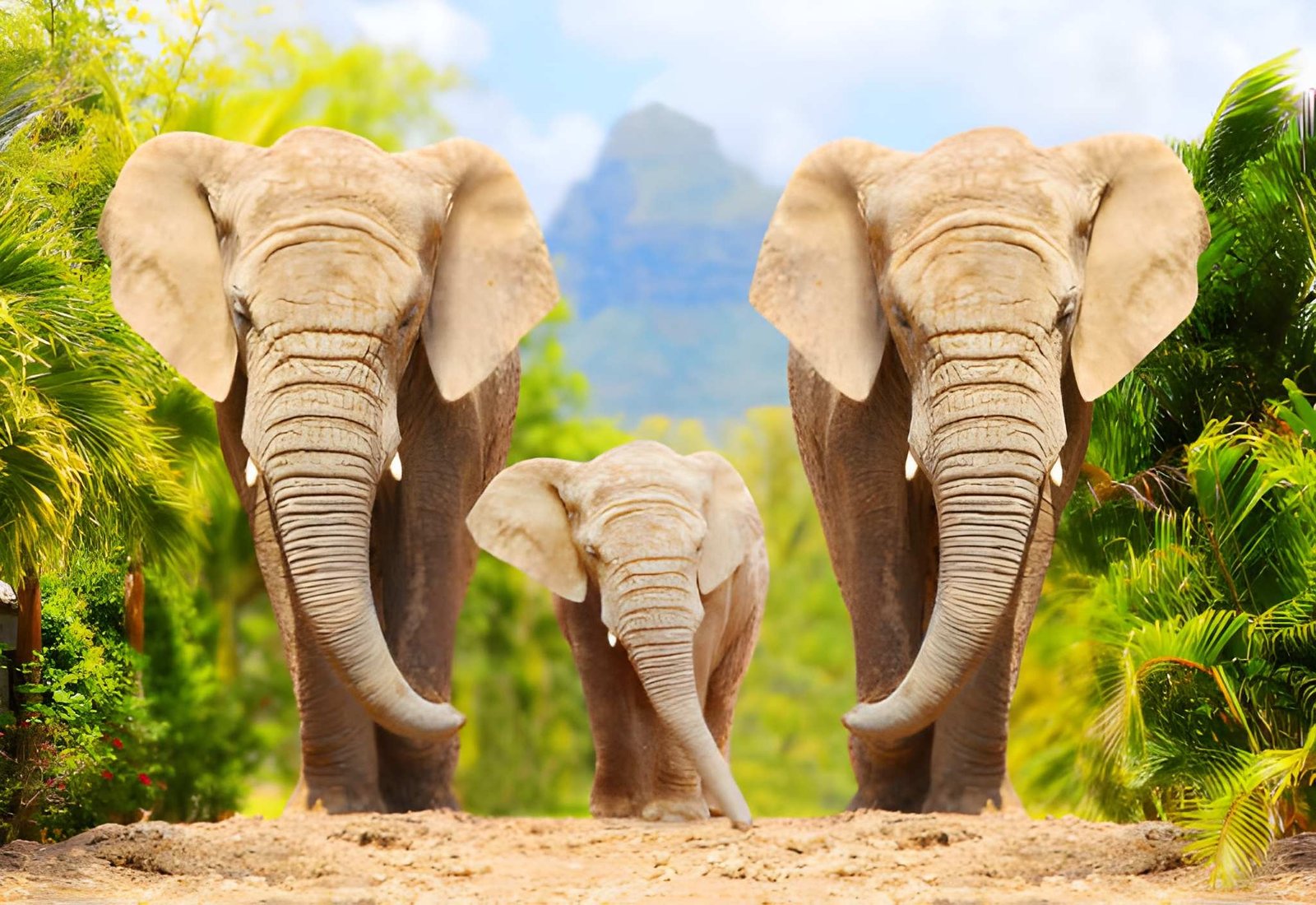
Kenya · 8 days
Amboseli · Lake Naivasha · Masai Mara
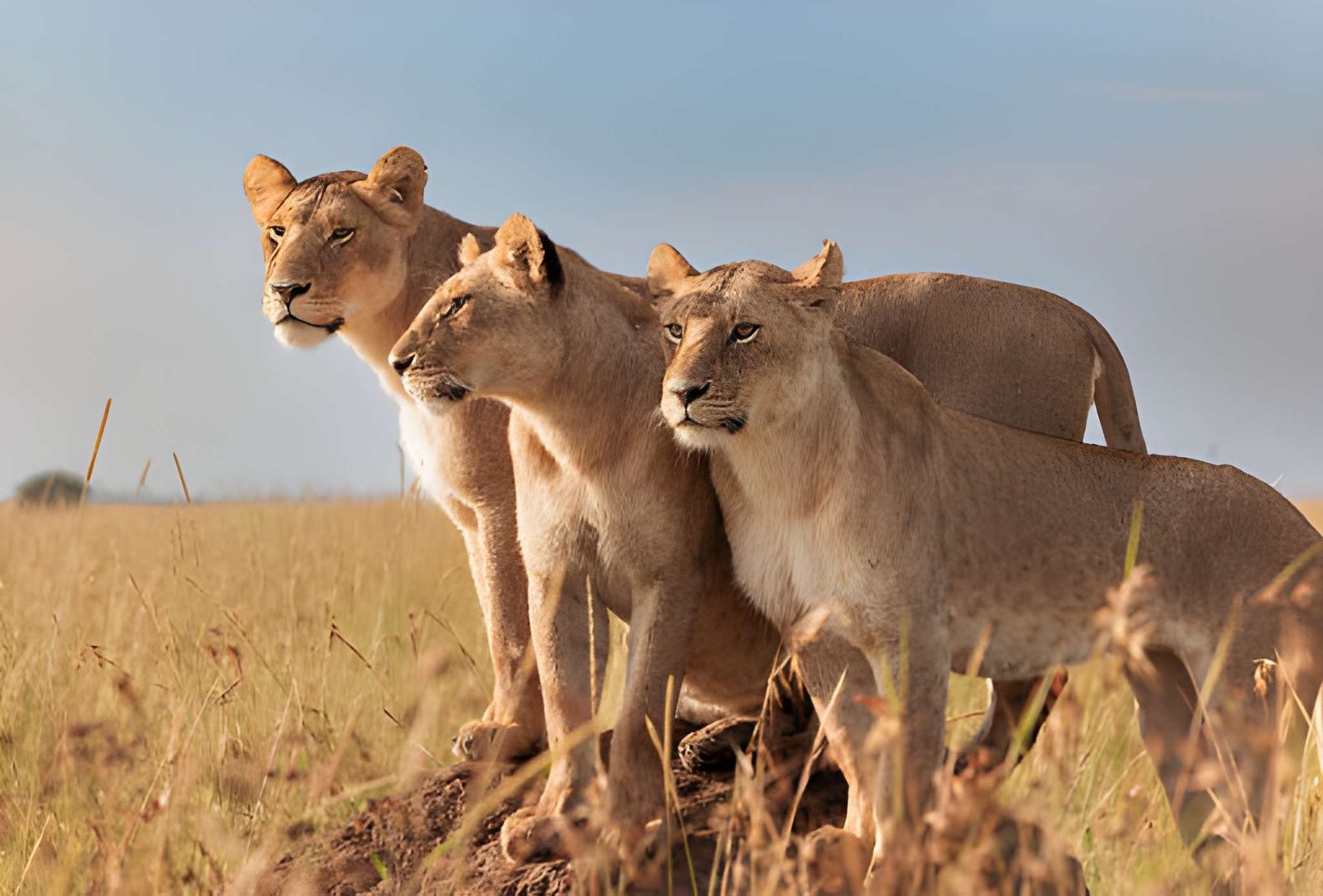
Kenya · 10 days
Samburu National Reserve · Ol Pejeta Conservancy · Lake Nakuru · Masai Mara
Kenya · 11 days
Amboseli · Tsavo West · Tsavo East
Kenya · 15 days
Samburu National Reserve · Ol Pejeta Conservancy · Lake Nakuru · Lake Naivasha
Tanzania & Kenya · 10 days
Masai Mara · Amboseli · Serengeti · Ngorongoro
Tanzania & Kenya · 12 days
Lake Nakuru · Masai Mara · Amboseli · Tarangire
Tanzania & Kenya · 12 days
Tarangire · Ngorongoro · Serengeti · Amboseli

Tell us how long you have and what you would love to see. A GIP Adventure specialist will help you build an Amboseli safari from Nairobi or Arusha, or link Kenya and Tanzania in one seamless journey.
Usually replies within minutesHeritage
Amboseli takes its name from a Maasai word often translated as salty dust, a fitting description of the dry lakebed at its heart. For centuries the Maasai have grazed their cattle here, sharing the swamps and plains with wildlife. The area became a game reserve in the colonial era and was declared a national park in 1974, and it is the core of a UNESCO Biosphere Reserve.
Amboseli is home to one of the longest-running elephant studies in the world, which began in the early 1970s and has transformed our understanding of elephant families and behaviour. Because wildlife moves freely beyond the park, conservation depends on the surrounding Maasai group ranches and conservancies, where communities work to protect migration corridors linking Amboseli with Tsavo and Kilimanjaro.
Yes, on clear days. Early mornings and late afternoons usually offer the best views, as cloud often builds around the mountain during the day.
About 240 km from Nairobi (4 to 5 hours). From Arusha it is roughly 4 to 5 hours via the Namanga border.
Elephants, lions and buffalo are common and leopards are present but rarely seen. Rhinos are not currently found in the park, so combine Amboseli with Nakuru or the Masai Mara for the full Big Five.
Two nights is ideal, giving you several game drives at different times of day and a good chance of clear mountain views.
Yes. Amboseli is close to the Namanga border, making it a natural link with Arusha, Tarangire, Ngorongoro and the Serengeti.
Visit a Maasai village, take a hot-air balloon flight when operating, enjoy nature walks or night game drives in the surrounding conservancies where permitted, and photograph elephants against Kilimanjaro.
June to October and January to February offer dry conditions, good wildlife concentrations and the best chance of clear mountain views.
Your safari starts here
Let GIP Adventure plan a safari that places you among Amboseli's great elephant herds beneath the snows of Kilimanjaro.
Chat with usOnline