
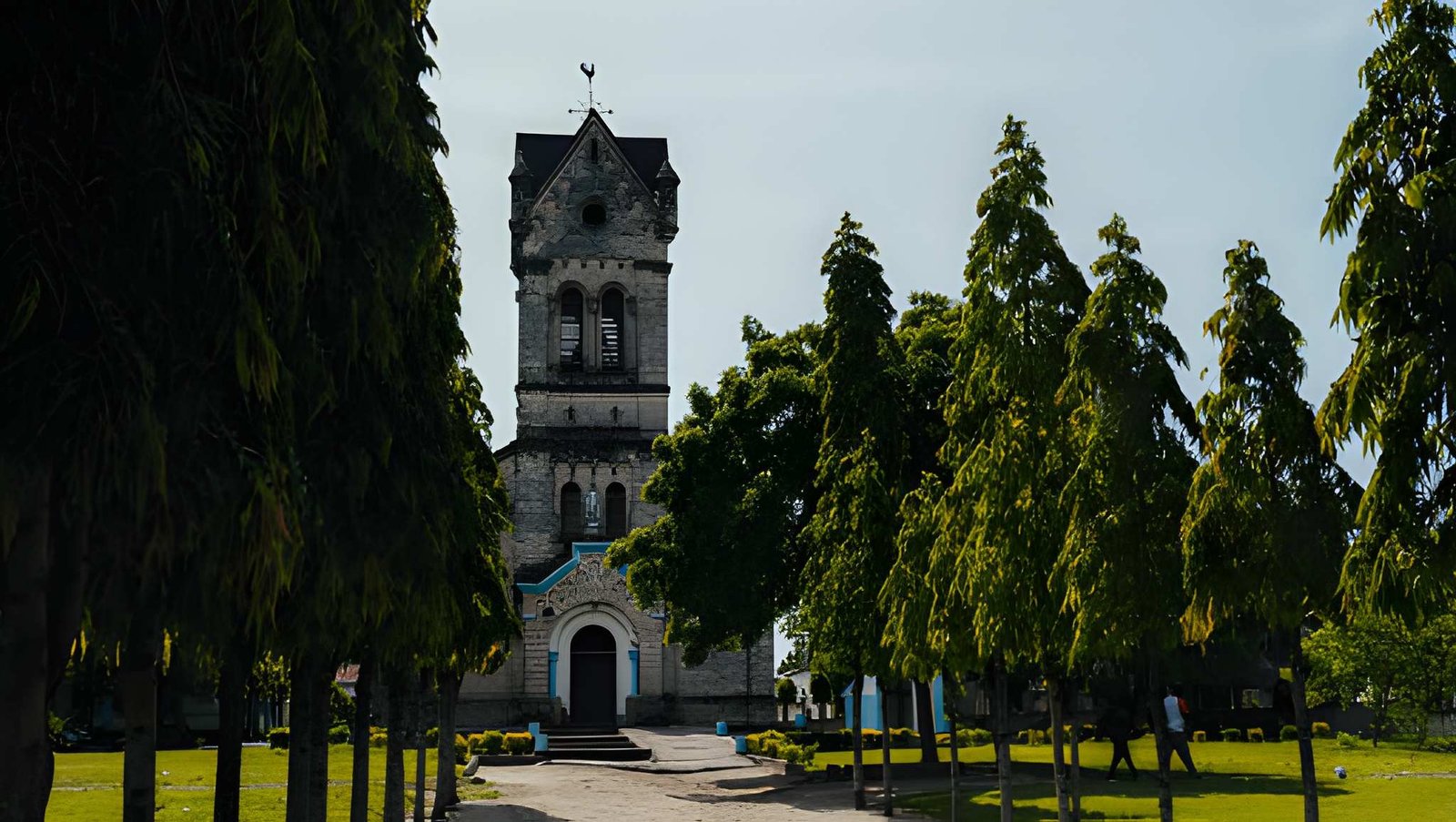
Catholic Mission & Livingstone Tower
Visit the Holy Ghost Fathers' mission, its museum and the old church tower where Livingstone's body rested in 1874.

Climbing Kilimanjaro
The complete guideRoutes & fitness calculatorWhat to packOur climbs
6-Day Kilimanjaro: Marangu Route7-Day Kilimanjaro: Machame Route6-Day Kilimanjaro: Umbwe Route7-Day Kilimanjaro: Rongai Route7-Day Kilimanjaro: Shira Plateau / Morrum Barrier Route9-Day Kilimanjaro: Lemosho Route4-Day Mount Meru Trek5-Day Ol Doinyo Lengai & Lake Natron Trek10-Day Kilimanjaro Trekking & Wildlife Safari11-Day Kilimanjaro Trekking & Wildlife SafariTour styles
Big 5 Safaris (7)Great Migration Safaris (6)Classic Wildlife Safaris (32)Wildlife-Themed Safaris (8)Fly-in & Luxury Safaris (8)Honeymoon Safaris (6)Mountain Trekking (10)Beach & Zanzibar Holidays (9)Gorilla & Primate Safaris (19)Multi-Country & Combination Safaris (9)Helicopter Safaris (5)Cultural Tours (2)Day Trips (10)Family SafarisCity Tours & Airport TransfersTailor-Made / Custom TripsPlan
All toursTanzania safari guidePlan a custom tripTanzania
All of TanzaniaNational ParksGame ReservesIslandsHistorical SitesMountains & VolcanoesLakes & WaterfallsCities & CoastKenya
All of KenyaNational ParksReserves & ConservanciesMountains & CoastCitiesUganda
All of UgandaNational ParksWildlife ReservesLakes & WaterfallsCities & GatewaysMore
Cultural experiencesLodges & campsAll destinationsTanzania Cities & Coast
Once the end of the great caravan route and the first capital of German East Africa, Bagamoyo is a palm-fringed coastal town where every street holds a chapter of East African history.
Discover Bagamoyo
Bagamoyo lies on the Indian Ocean coast about 75 km north of Dar es Salaam. Once the mainland centre of the slave trade and the former capital of German East Africa, it is one of the most historically important towns in Tanzania. Its name is often translated from Swahili as "lay down your heart", a phrase that may recall the despair of captives leaving the mainland, or the relief of porters returning to the coast after months on the caravan routes.
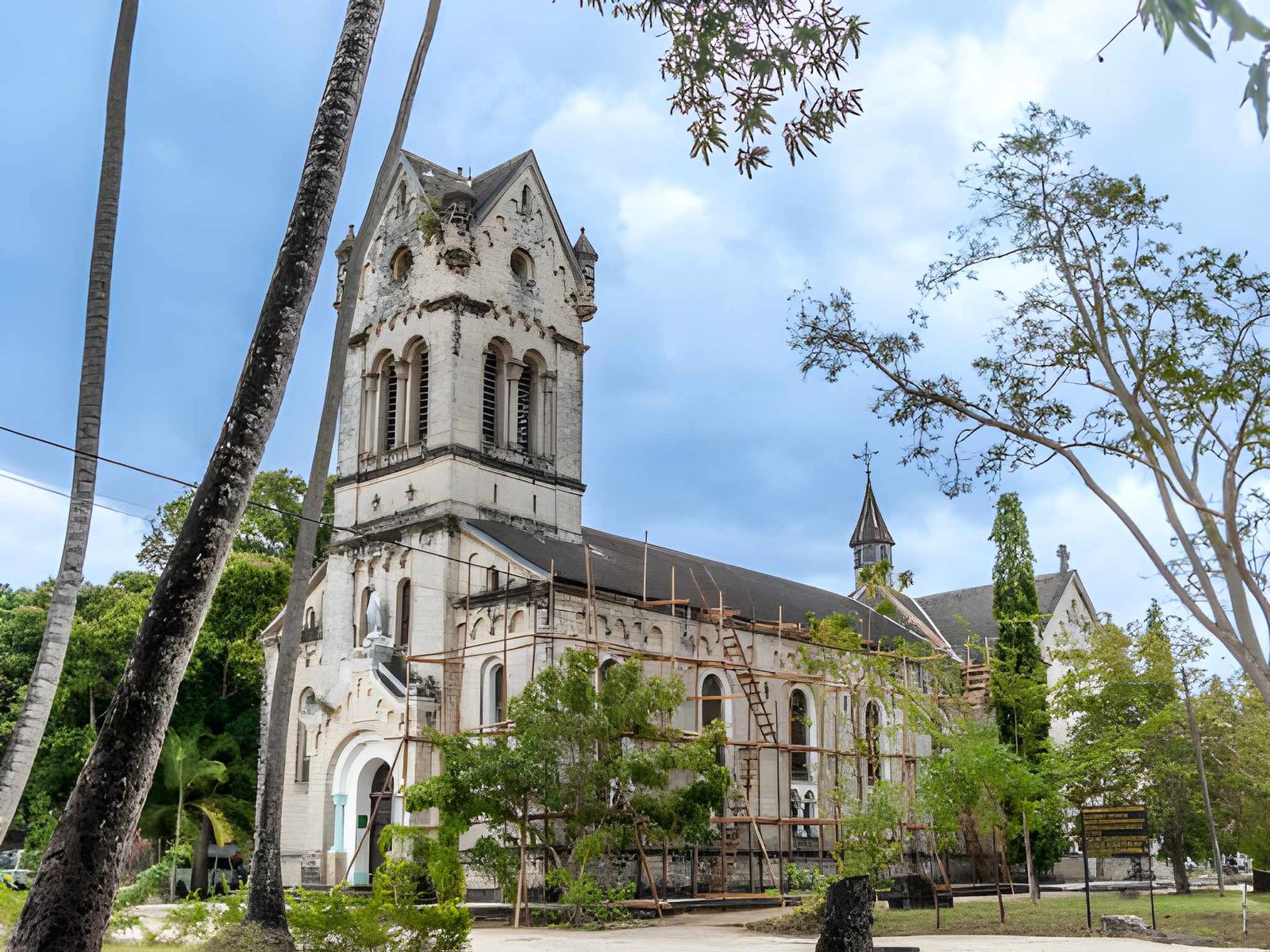
Many of the great European explorers passed through this very corner of Africa, including Richard Burton, John Hanning Speke, James Grant, Henry Morton Stanley and David Livingstone, whose remains rested here before being taken to Zanzibar and then England. The church built by the Holy Ghost Fathers at the Catholic Mission is regarded as the oldest in East Africa.
Bagamoyo is also a tropical paradise, with palm-lined beaches, dhows on the tide and a thriving arts scene. The Bagamoyo arts college hosts free shows of traditional music, dancing and mime at weekends, and the town's relaxed pace makes it a wonderful escape from Dar es Salaam.
Why Bagamoyo
Bagamoyo packs centuries of coastal history, living culture and beach relaxation into one small town.
Visit the Holy Ghost Fathers' mission, its museum and the old church tower where Livingstone's body rested in 1874.
Explore the remains of mosques and pillar tombs from an early Swahili settlement just south of the town.
Walk among Omani-era houses, the Old Fort, the Caravan Serai and the German Boma in the historic quarter.
Enjoy free weekend shows of traditional music, dance and mime, and the town's renowned arts festival.
Relax on palm-lined beaches and watch fishing dhows sail in to the lively fish market.
Just a short drive from Dar es Salaam, ideal as a day trip or a relaxing coastal stay.
Location
Bagamoyo is on Tanzania's Indian Ocean coast, about 75 km north of Dar es Salaam. The drive from Dar es Salaam usually takes around one and a half to two hours depending on traffic, and Julius Nyerere International Airport is the nearest major airport. From Arusha or Kilimanjaro, most travellers fly to Dar es Salaam and continue by road.
Saadani National Park lies further north along the coast, and Bagamoyo is often combined with Saadani, Mikumi or Nyerere, or with ferries and flights from Dar es Salaam to Zanzibar.
When to visit
Bagamoyo is warm all year, with daytime temperatures typically around 29°C and two rainy seasons.
Sunny days and cooling sea breezes make this the most comfortable time for walking tours and beach time.
Short showers alternate with sunshine; historic sites remain easy to visit.
Hot and humid, with calm seas and long, bright days on the beach.
The wettest months, with heavy showers. Quieter hotels and lush green scenery.
Bagamoyo can be visited at any time, though the dry months are the most comfortable for exploring on foot.
Hot and sunny, a lovely time for the beach and dhow trips.
Hot and humid, best enjoyed with early-morning walking tours.
The long rains begin, bringing humid air and afternoon downpours.
Usually the wettest month; explore the ruins between showers.
Rains ease and the town is green and quiet.
Dry season begins, with fresh breezes and pleasant temperatures.
Cool and dry, ideal for exploring the mission, Kaole and the old town.
Sunny and comfortable, great for combining with Saadani.
Warm and dry; the town's arts scene is often lively at this time of year.
Warm and dry, ideal for beach days and walking tours.
Short rains bring brief showers and green landscapes.
Hot and sunny, with festive-season visitors from Dar es Salaam.
Explore the area
Bagamoyo's history is spread across a compact, walkable town and its surroundings.

Livingstone's Last Journey
When David Livingstone died in 1873 deep in the interior, his loyal companions Susi and Chuma carried his body on an extraordinary journey of many months to the coast. In February 1874 they reached Bagamoyo, where the remains rested in the tower of the church built by the Holy Ghost Fathers, regarded as the oldest church in East Africa.
From Bagamoyo the body was taken to Zanzibar and then to England, where Livingstone was buried in Westminster Abbey. Today the Livingstone Tower and the mission museum tell this story alongside the wider history of the caravan trade and the fight against slavery.
Safaris to 中文
Coastal and southern circuit itineraries that include Bagamoyo's history, beaches and culture.
Tanzania · 7 days
Nyerere · Mikumi · Bagamoyo
Tanzania · 8 days
Nyerere · Mikumi · Saadani · Bagamoyo
Tanzania · 4 days
Same · Tanga
Stay in 中文
Beachfront hotels and relaxed retreats in and around Bagamoyo.

Tell us your plans, and a Gip Adventure specialist will arrange a guided Bagamoyo history tour, a beach stay, or a combination with Saadani, Mikumi or Zanzibar.
Usually replies within minutesHeritage
Bagamoyo's coastal heritage reaches back many centuries, as shown by the Swahili ruins at nearby Kaole. In the nineteenth century, under the influence of the Zanzibar sultanate, it grew into the mainland end of the great caravan route from Lake Tanganyika. Ivory and enslaved people were brought here from the interior and shipped to Zanzibar, making Bagamoyo the mainland centre of the slave trade.
The Holy Ghost Fathers founded their mission in 1868 and established a village for people freed from slavery. European explorers including Burton, Speke, Grant and Stanley set off from or passed through Bagamoyo, and Livingstone's remains rested here in 1874. The German East Africa Company later made the town its headquarters, and Bagamoyo served as the capital of German East Africa until the administration moved to Dar es Salaam in 1891.
Today Bagamoyo is a peaceful town and a centre of the arts. Its historic buildings, mission museum, Kaole ruins and arts college preserve a powerful story of trade, suffering, faith and creativity on the Swahili coast.
About 75 km north, usually around one and a half to two hours by road depending on traffic.
The Catholic Mission and museum, Livingstone Tower, the Old Fort, the Caravan Serai, the German Boma, the fish market and the Kaole ruins.
Yes. A full day from Dar es Salaam covers the main sights, though an overnight stay lets you enjoy the beach and the town at a slower pace.
It is commonly translated as "lay down your heart", linked to the town's role at the end of the caravan and slave routes.
Yes. The Bagamoyo arts college offers free shows of traditional music, dancing and mime at weekends, and hosts a well-known arts festival.
Yes. It is often paired with Saadani National Park to the north, or with Mikumi and Nyerere on a southern circuit.
Warm and tropical all year, with temperatures typically around 29°C. June to October is the most comfortable period.
Your safari starts here
Let Gip Adventure guide you through the history, art and beaches of Bagamoyo, one of the most fascinating towns on the Swahili coast.
Chat with usOnline