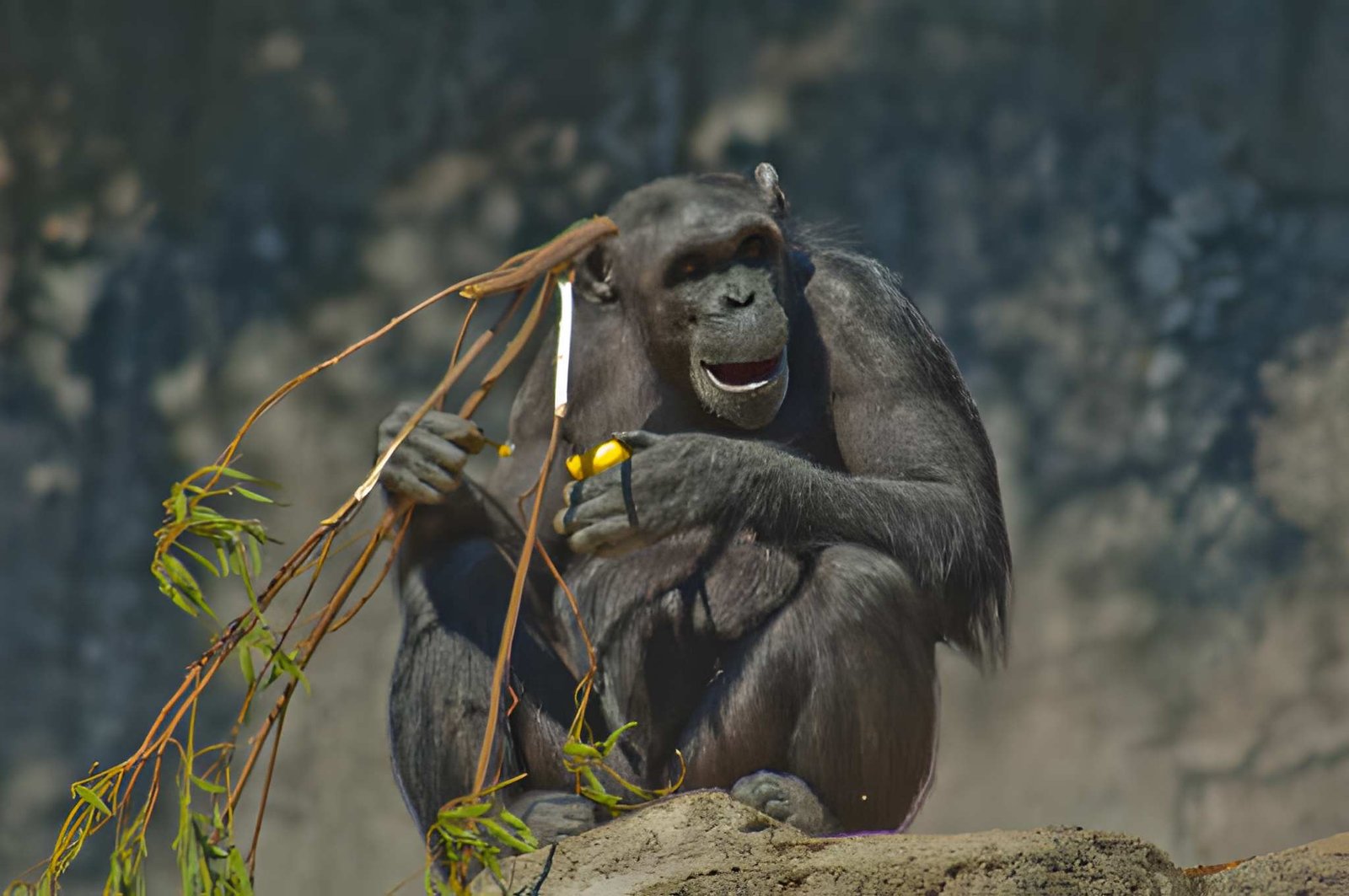
Huge Buffalo Herds
Herds of buffalo, sometimes over a thousand strong, roam the floodplains in the dry season.

Climbing Kilimanjaro
The complete guideRoutes & fitness calculatorWhat to packOur climbs
6-Day Kilimanjaro: Marangu Route7-Day Kilimanjaro: Machame Route6-Day Kilimanjaro: Umbwe Route7-Day Kilimanjaro: Rongai Route7-Day Kilimanjaro: Shira Plateau / Morrum Barrier Route9-Day Kilimanjaro: Lemosho Route4-Day Mount Meru Trek5-Day Ol Doinyo Lengai & Lake Natron Trek10-Day Kilimanjaro Trekking & Wildlife Safari11-Day Kilimanjaro Trekking & Wildlife SafariTour styles
Big 5 Safaris (7)Great Migration Safaris (6)Classic Wildlife Safaris (32)Wildlife-Themed Safaris (8)Fly-in & Luxury Safaris (8)Honeymoon Safaris (6)Mountain Trekking (10)Beach & Zanzibar Holidays (9)Gorilla & Primate Safaris (19)Multi-Country & Combination Safaris (9)Helicopter Safaris (5)Cultural Tours (2)Day Trips (10)Family SafarisCity Tours & Airport TransfersTailor-Made / Custom TripsPlan
All toursTanzania safari guidePlan a custom tripTanzania
All of TanzaniaNational ParksGame ReservesIslandsHistorical SitesMountains & VolcanoesLakes & WaterfallsCities & CoastKenya
All of KenyaNational ParksReserves & ConservanciesMountains & CoastCitiesUganda
All of UgandaNational ParksWildlife ReservesLakes & WaterfallsCities & GatewaysMore
Cultural experiencesLodges & campsAll destinationsTanzania National Parks
Isolated, untrammelled and rarely visited, Katavi is true wilderness: vast floodplains, enormous buffalo herds and rivers packed with hippos and crocodiles.
Discover Katavi
Established in 1974 and covering 4,471 km², Katavi National Park lies in southwestern Tanzania, east of Lake Tanganyika and about 40 km east of Mpanda town on the Mpanda–Sumbawanga road. It shares its boundary and ecosystem with the Rukwa Game Reserve and the Sitalike-Inyonga and Kavuu River areas.
Katavi hosts a higher mammal biomass, over 23,000 kg per km², than almost any other park in East Africa. With few vehicles and no crowds, visitors enjoy the real tranquillity of Africa, the silence broken only by the calls of wildlife.
Why Katavi
Katavi offers extraordinary wildlife concentrations with almost no other visitors.
Herds of buffalo, sometimes over a thousand strong, roam the floodplains in the dry season.
As the rivers shrink, hundreds of hippos crowd into the remaining pools of the Katuma and Kapapa rivers.
One of Tanzania's least visited parks, with no congestion and a genuine sense of remoteness.
Lions, leopards and hyenas follow the herds, offering dramatic sightings.
Location
Katavi lies in southwestern Tanzania, about 40 km east of Mpanda town, east of Lake Tanganyika. Most visitors fly by light aircraft from Arusha, Ruaha or Dar es Salaam to the park's airstrip, as road journeys are long.
The park's heart is the Katisunga floodplain, crossed by the Katuma River, together with Lakes Chada and Katavi, which become lush grassland in the dry season.
When to visit
Katavi's wildlife experience is highly seasonal, peaking at the end of the dry season.
Spectacular concentrations as wildlife gathers around shrinking rivers and pools. The best time to visit.
The park turns lush and green and birdlife is superb; game viewing remains good.
Very wet conditions; most camps close and roads become difficult.
The later in the dry season, the more dramatic the wildlife concentrations become.
Green and lush, with excellent birdlife and few visitors.
The last month before most camps close for the rains.
Heavy rains; most camps are closed.
The wettest month; the park is very quiet.
Rains ease and the floodplains begin to dry.
Camps reopen; wildlife begins to gather near water.
Excellent game viewing as the plains dry out.
Big buffalo herds and crowded hippo pools.
Superb predator sightings as wildlife concentrates.
The peak of the dry season, with dramatic scenes at the rivers.
Short rains begin; the landscape turns green.
Green scenery and good birding, with very few visitors.
Explore the area
Floodplains, rivers, lakes and miombo woodland shape the park.
Wildlife
Katavi is home to large herds of buffalo, large pods of hippos and slender-snouted and Nile crocodiles living in the Katuma and Kapapa rivers. Elephants, giraffes, zebras, topi and the rare puku antelope roam the plains.
The park was established partly to protect the puku and the miombo woodland, as well as the breeding areas of the Katavi ecosystem. Guided walks and game drives offer a raw, authentic safari.
Where to look: Katisunga floodplain
Herds of over a thousand buffalo are a classic Katavi sight.
Where to look: Katuma and Kapapa rivers
Hundreds crowd into the shrinking pools in the dry season.
Where to look: Rivers and pools
Crocodiles gather in the remaining water, sometimes sheltering in burrows.
Where to look: Floodplains, following the buffalo
Large prides prey on buffalo across the plains.
Where to look: Woodland and floodplains
Family herds roam between the woodland and rivers.
Where to look: Riverine woodland
Present along the rivers and woodland.
Where to look: Woodland and plains
Common across the park.
Where to look: Floodplain edges
A rare antelope protected in Katavi, found in few other places in Tanzania.
Where to look: Open plains
Often seen standing on termite mounds.
Where to look: Throughout the park
Common, especially near kills.

The Dry Season Spectacle
As the dry season progresses, Katavi's rivers shrink to muddy pools. Hippos crowd together in astonishing numbers, crocodiles gather in the remaining water and buffalo herds move across the floodplains, followed by lions.
With so few visitors, these scenes unfold in near-total solitude. All Katavi can offer is an experience of a lifetime.
Safaris to 中文
Itineraries that include Katavi, often combined with Mahale for chimpanzees.
Stay in 中文
Classic tented camps and lodges overlooking the Katisunga plains.
Tell us your dates and we will help you plan a true wilderness safari in Katavi.
Usually replies within minutesHeritage
Katavi takes its name from a legendary hunter, Katabi, whose spirit is believed to live in a tamarind tree in the park. People still leave offerings at the tree, seeking blessings according to their beliefs.
The park was established in 1974 to protect the miombo woodland, the Katavi ecosystem and species such as the puku. It was later extended to its current size, remaining one of Tanzania's wildest and least visited parks.
Yes. Katavi offers incredible wildlife concentrations, especially buffalo and hippos, with almost no other visitors.
Most visitors fly by light aircraft from Arusha, Ruaha or Dar es Salaam.
June to October, especially late in the dry season when wildlife concentrates around water.
Three nights or more is recommended to enjoy the park fully.
Buffalo, hippos, crocodiles, lions, elephants, leopards, giraffes, topi and the rare puku.
Yes. Katavi and Mahale are a classic western Tanzania combination of big game and chimpanzees.
Your safari starts here
Let Gip Adventure take you into the wild heart of western Tanzania.
Chat with usOnline