
Tree-Climbing Lions
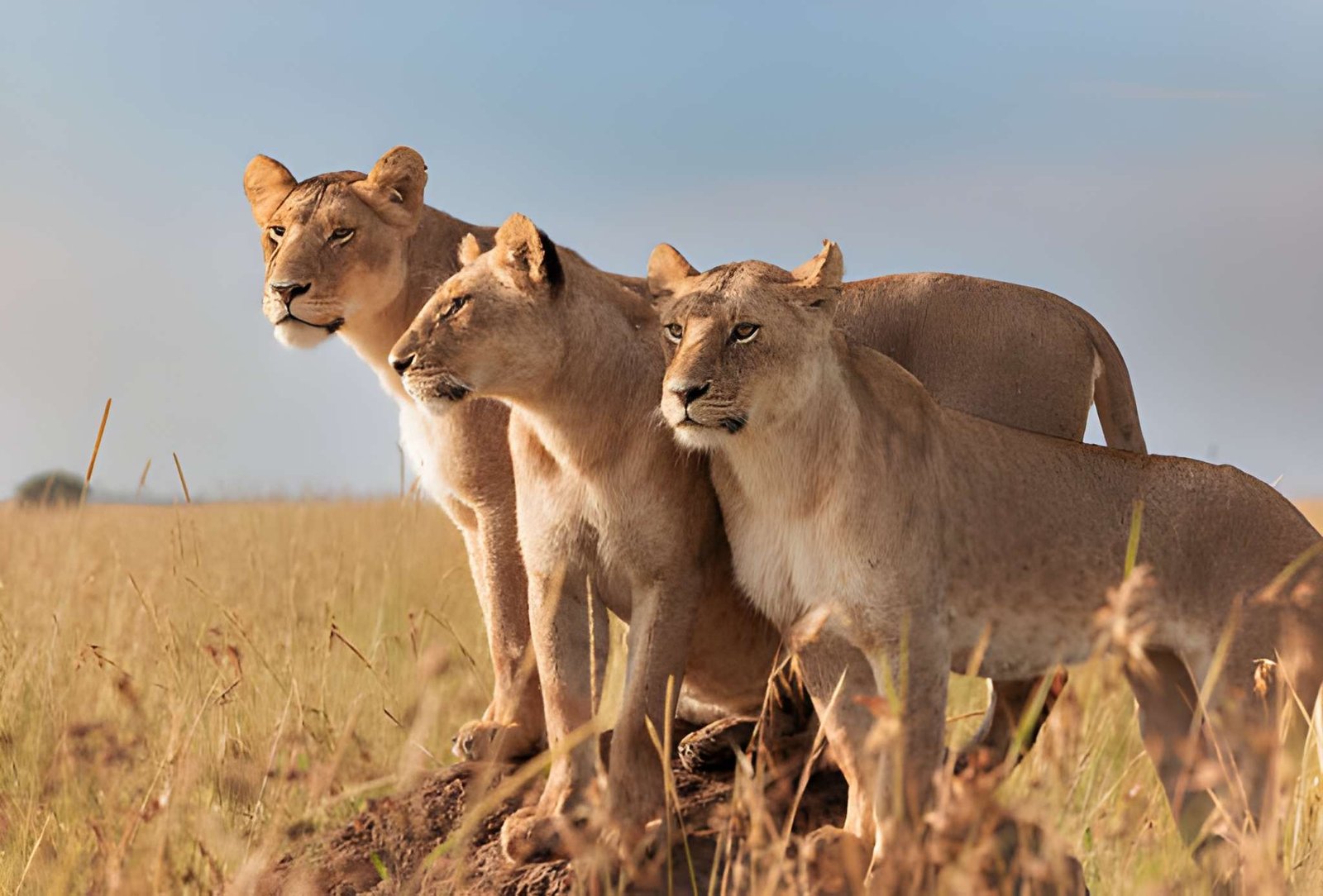
Lake Manyara is famous for lions that rest in the branches of acacia and mahogany trees, a rare behaviour seen in only a few places.

Climbing Kilimanjaro
The complete guideRoutes & fitness calculatorWhat to packOur climbs
6-Day Kilimanjaro: Marangu Route7-Day Kilimanjaro: Machame Route6-Day Kilimanjaro: Umbwe Route7-Day Kilimanjaro: Rongai Route7-Day Kilimanjaro: Shira Plateau / Morrum Barrier Route9-Day Kilimanjaro: Lemosho Route4-Day Mount Meru Trek5-Day Ol Doinyo Lengai & Lake Natron Trek10-Day Kilimanjaro Trekking & Wildlife Safari11-Day Kilimanjaro Trekking & Wildlife SafariTour styles
Big 5 Safaris (7)Great Migration Safaris (6)Classic Wildlife Safaris (32)Wildlife-Themed Safaris (8)Fly-in & Luxury Safaris (8)Honeymoon Safaris (6)Mountain Trekking (10)Beach & Zanzibar Holidays (9)Gorilla & Primate Safaris (19)Multi-Country & Combination Safaris (9)Helicopter Safaris (5)Cultural Tours (2)Day Trips (10)Family SafarisCity Tours & Airport TransfersTailor-Made / Custom TripsPlan
All toursTanzania safari guidePlan a custom tripTanzania
All of TanzaniaNational ParksGame ReservesIslandsHistorical SitesMountains & VolcanoesLakes & WaterfallsCities & CoastKenya
All of KenyaNational ParksReserves & ConservanciesMountains & CoastCitiesUganda
All of UgandaNational ParksWildlife ReservesLakes & WaterfallsCities & GatewaysMore
Cultural experiencesLodges & campsAll destinationsTanzania National Parks
Beneath the dramatic wall of the Great Rift Valley, groundwater forest, a shimmering soda lake and acacia woodland create what Ernest Hemingway called the loveliest lake in Africa.
Discover Lake Manyara
Lake Manyara National Park lies about 120 km west of Arusha along the surfaced road heading to the Serengeti, close to the ethnically diverse market town of Mto wa Mbu. The park stretches for 50 km along the base of the rusty-gold, 600-metre-high Rift Valley escarpment, and Ernest Hemingway famously called it the loveliest lake in Africa.
As you enter the park, the road winds through lush evergreen groundwater forest fed by springs seeping from the base of the Rift Valley wall. The park is divided into distinct zones, from forest and lakeshore to the escarpment, acacia savanna and open plains, so every game drive brings a change of scenery and wildlife.
Why Lake Manyara
Lake Manyara packs remarkable variety into a compact area, making it perfect for a day safari or the start of a northern circuit adventure.
Lake Manyara is famous for lions that rest in the branches of acacia and mahogany trees, a rare behaviour seen in only a few places.
Thousands of pink-hued flamingos, pelicans, storks and waders gather on the soda lake, making it a paradise for birdwatchers.
A lush forest fed by underground springs shelters troops of baboons, blue monkeys and a remarkable variety of plants and butterflies.
The towering escarpment of the Great Rift Valley forms a spectacular backdrop to every drive, with views across the lake to the plains.
Location
Lake Manyara is about 120 km from Arusha city centre, 1 to 1½ hours by road, around 200 km from Moshi and 160 km from Kilimanjaro International Airport. It sits roughly an hour from both Tarangire and the Ngorongoro Conservation Area, and about 3 to 3½ hours from the Serengeti.
The park lies on the main route to the Serengeti, at the foot of the Rift Valley escarpment beside the town of Mto wa Mbu. Besides the road, it can be reached by charter or scheduled flights to the Lake Manyara airstrip, often en route to the Serengeti and Ngorongoro.
When to visit
With two rainy seasons and two dry periods, the park changes colour and character throughout the year.
The driest months, with excellent game viewing as animals gather near the lake and springs. Temperatures are pleasant, ranging from about 16 to 30°C.
Light rains bring fresh greenery, newborn animals and the arrival of migratory birds.
A lush, quieter time with good wildlife viewing and wonderful birdlife on the lake.
The wettest period, with April usually the rainiest month. The forest and waterfalls are at their most beautiful and visitors are few.
Lake Manyara can be visited all year round, but each month brings its own mix of wildlife, birdlife and scenery.
Green landscapes, good game viewing and excellent birdlife on the lake.
Warm and lush, with flamingos and migratory birds often present.
Long rains begin and the groundwater forest becomes especially green.
Usually the wettest month; very few visitors and dramatic scenery.
Rains ease and the park is at its lushest, with waterfalls flowing from the escarpment.
Dry season begins, with clear views and wildlife gathering near water.
One of the driest months, offering excellent game viewing and comfortable temperatures.
Dry and clear, ideal for spotting elephants, buffalo and the famous tree-climbing lions.
Excellent wildlife viewing continues as the park reaches its driest point.
Good game viewing before the short rains, with warm days on the lakeshore.
Short rains refresh the landscape and migratory birds return.
Green and lively, with newborn animals and great birdwatching.
Explore the area
The park is divided into distinct zones, each with its own habitat and wildlife.
Wildlife
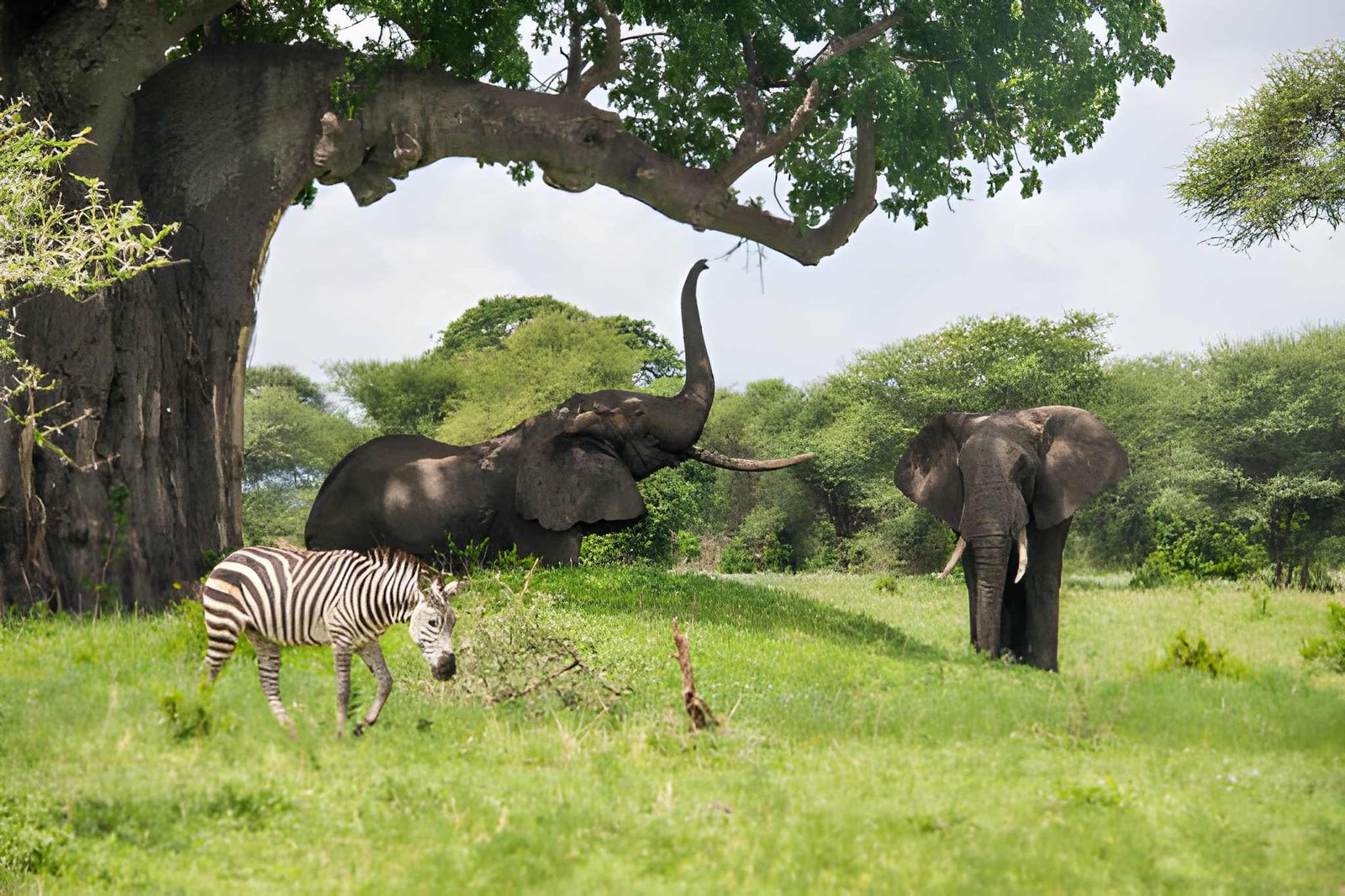
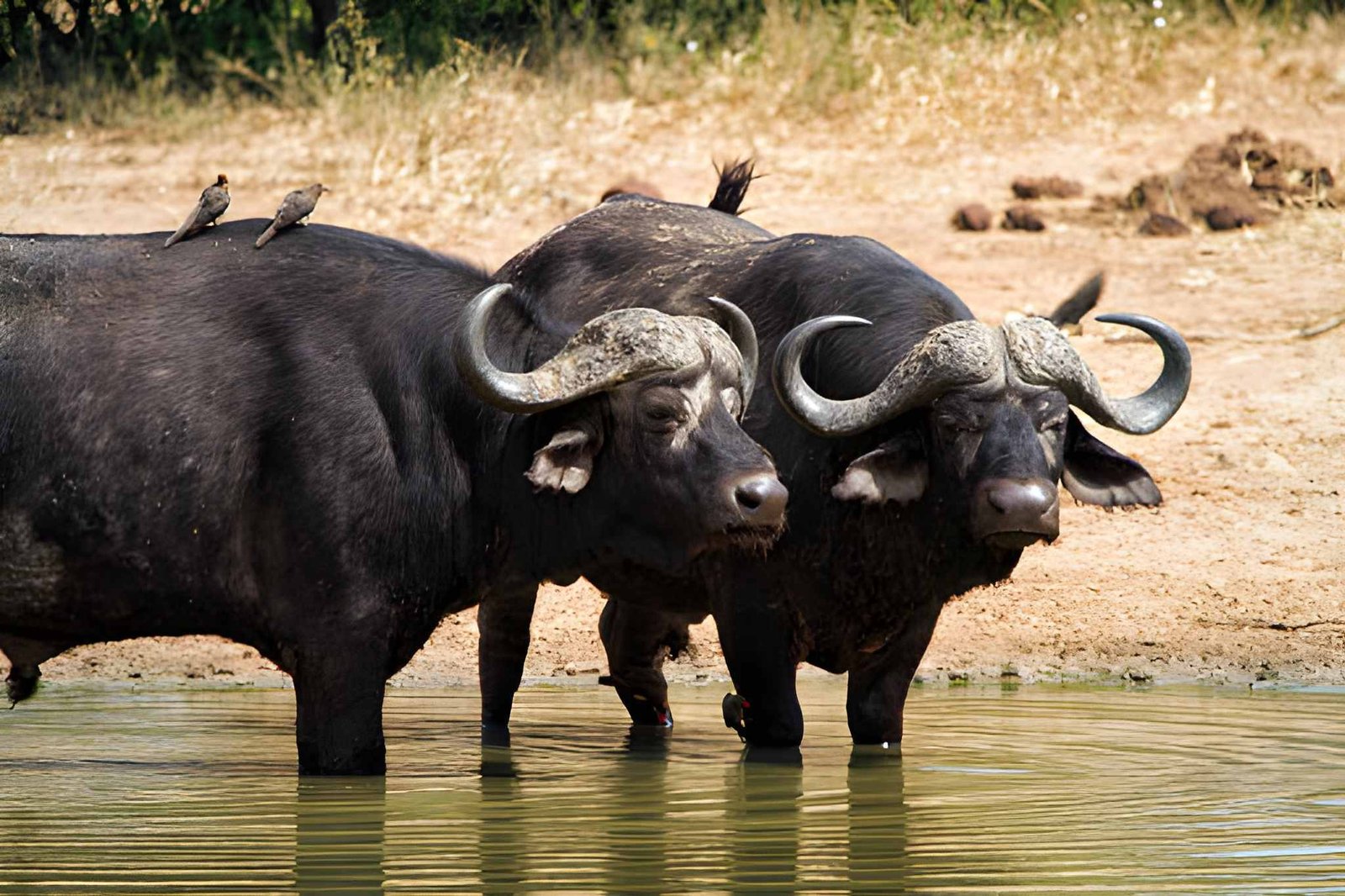
Lake Manyara is rich in wildlife, both flora and fauna, and never lets down anyone who visits. The groundwater forest is a vital refuge for troops of baboons and blue monkeys, while elephants, buffalo, giraffes, zebras and wildebeest graze the woodland and floodplains.
The lake itself is dotted with hundreds of waders and waterfowl and, at times, thousands of pink-hued flamingos. For bird and butterfly enthusiasts, this is the place to be, with more than 400 bird species recorded.
Where to look: Acacia and mahogany trees in the woodland zones
Manyara's lions are famous for climbing trees, though sightings vary. Your guide will know their favourite resting spots.
Where to look: Groundwater forest and the escarpment woodland
Elephants move between the forest, woodland and lakeshore, often seen along the main road through the park.
Where to look: Floodplains near the lake
Large herds graze the open grassland along the lakeshore.
Where to look: Dense forest and woodland
Present but very secretive in the thick vegetation.
Where to look: Groundwater forest and the main road
Large troops, sometimes hundreds strong, are one of the park's signature sights.
Where to look: The groundwater forest
A forest monkey often seen in the canopy near the park entrance.
Where to look: The soda lake, especially in the wet season
Thousands of flamingos can tint the lake pink when water and food conditions are right.
Where to look: The hippo pool near the lakeshore
A popular stop where dozens of hippos wallow in the water.
Where to look: Acacia woodland and open areas
Masai giraffes browse throughout the park, often close to the road.
Where to look: Lakeshore floodplains
Common on the open grassland, often alongside wildebeest and buffalo.
Where to look: Woodland edges throughout the park
Graceful antelope found in herds across the park.
Where to look: Lake edges and shallow water
Great white pelicans fish in groups along the lakeshore.

Ernest Hemingway's Favourite
Ernest Hemingway's description of Lake Manyara as the loveliest lake in Africa still rings true. From the escarpment, the soda lake shimmers below, tinted pink by flamingos and framed by forest and savanna.
Visit the Maji Moto hot springs, wander along the base of the Great Rift Valley wall, or enjoy a sundowner with views across the lake. Few places in Tanzania offer so much beauty in such a compact space.
Safaris to 中文
Itineraries that include Lake Manyara, often as the first stop of a northern circuit safari.
Tanzania · 9 days
Tarangire · Ngorongoro · Serengeti
Tanzania · 13 days
Tarangire · Lake Manyara · Serengeti · Nyerere
Tanzania · 10 days
Tarangire · Lake Manyara · Serengeti
Tanzania · 2 days
Ngorongoro
Tanzania · 7 days
Tarangire · Serengeti · Ngorongoro · Lake Manyara
Tanzania · 5 days
Ngorongoro
Tanzania · 5 days
Ngorongoro
Tanzania · 6 days
Ngorongoro · Serengeti
Tanzania · 6 days
Tarangire · Ngorongoro
Stay in 中文
From escarpment lodges with lake views to comfortable stays in Mto wa Mbu and Karatu.

Tell us your dates and interests and we will build the right Lake Manyara and northern circuit safari for you.
Usually replies within minutesHeritage
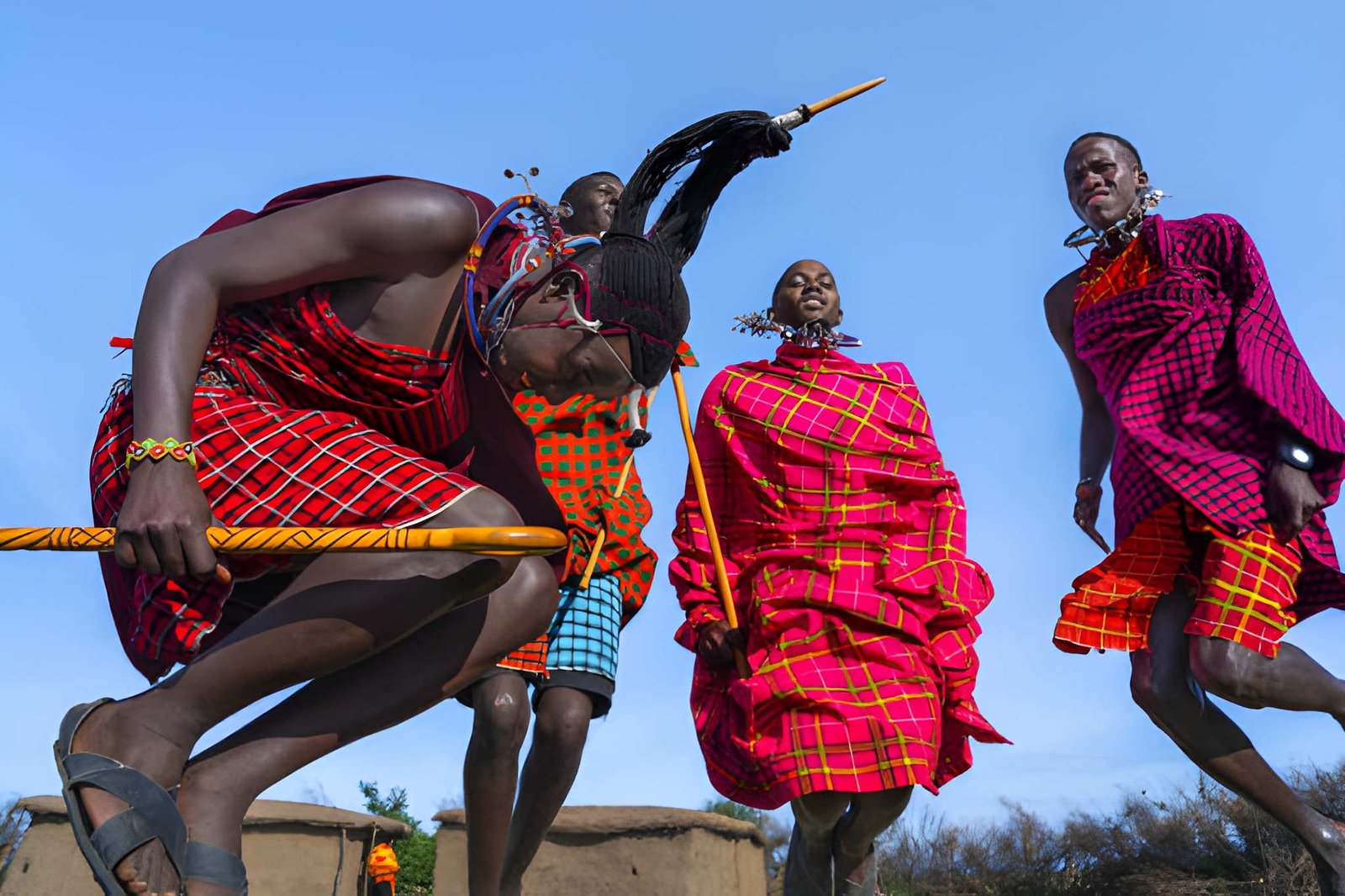
The name Manyara is thought to come from the Maasai word emanyara, a thorny plant used to make protective livestock enclosures. For generations, the communities of the area have lived alongside the lake, the forest and its wildlife.
Lake Manyara was declared a national park in 1960 and later became part of the Lake Manyara Biosphere Reserve under UNESCO. Today, the nearby town of Mto wa Mbu, home to people from many different tribes, offers a fascinating glimpse of Tanzania's cultural diversity.
Yes. It offers a remarkable variety of landscapes and wildlife in a compact area, including tree-climbing lions, flamingos and lush groundwater forest.
A full day or half day is enough to explore the main areas, which is why it is often visited on the way to Ngorongoro or the Serengeti.
The dry season from June to October is best for general game viewing, while the wet season is best for birds and lush scenery.
Sightings are never guaranteed, but Lake Manyara is one of the few places where lions regularly rest in trees.
About 120 km, or 1 to 1½ hours by road along the main route to the Serengeti.
Yes. It is an easy hour from Tarangire and Ngorongoro, and a natural stop on any northern circuit safari.
Your safari starts here
Let Gip Adventure show you the beauty of Lake Manyara and the wonders of the Rift Valley.
Chat with usOnline