
Wildlife on the Trail
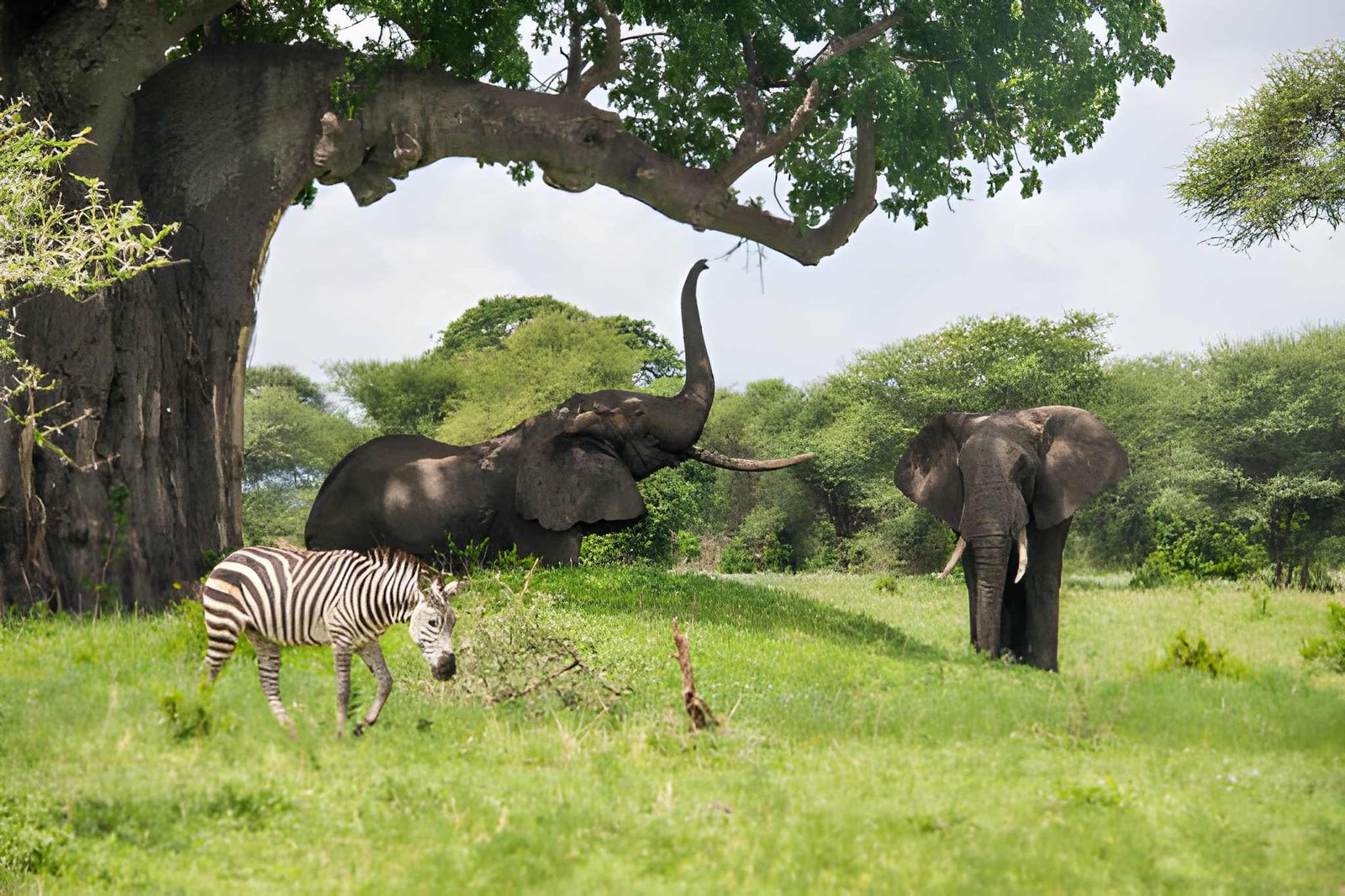
The climb begins inside Arusha National Park, so giraffe, buffalo, warthog and colobus monkeys are often seen on the lower slopes.

Climbing Kilimanjaro
The complete guideRoutes & fitness calculatorWhat to packOur climbs
6-Day Kilimanjaro: Marangu Route7-Day Kilimanjaro: Machame Route6-Day Kilimanjaro: Umbwe Route7-Day Kilimanjaro: Rongai Route7-Day Kilimanjaro: Shira Plateau / Morrum Barrier Route9-Day Kilimanjaro: Lemosho Route4-Day Mount Meru Trek5-Day Ol Doinyo Lengai & Lake Natron Trek10-Day Kilimanjaro Trekking & Wildlife Safari11-Day Kilimanjaro Trekking & Wildlife SafariTour styles
Big 5 Safaris (7)Great Migration Safaris (6)Classic Wildlife Safaris (32)Wildlife-Themed Safaris (8)Fly-in & Luxury Safaris (8)Honeymoon Safaris (6)Mountain Trekking (10)Beach & Zanzibar Holidays (9)Gorilla & Primate Safaris (19)Multi-Country & Combination Safaris (9)Helicopter Safaris (5)Cultural Tours (2)Day Trips (10)Family SafarisCity Tours & Airport TransfersTailor-Made / Custom TripsPlan
All toursTanzania safari guidePlan a custom tripTanzania
All of TanzaniaNational ParksGame ReservesIslandsHistorical SitesMountains & VolcanoesLakes & WaterfallsCities & CoastKenya
All of KenyaNational ParksReserves & ConservanciesMountains & CoastCitiesUganda
All of UgandaNational ParksWildlife ReservesLakes & WaterfallsCities & GatewaysMore
Cultural experiencesLodges & campsAll destinationsTanzania Mountains & Volcanoes
A sharp volcanic summit, a sheer crater wall and sunrise views across to Kilimanjaro make Mount Meru one of East Africa's most rewarding and underrated climbs.
Discover Mount Meru
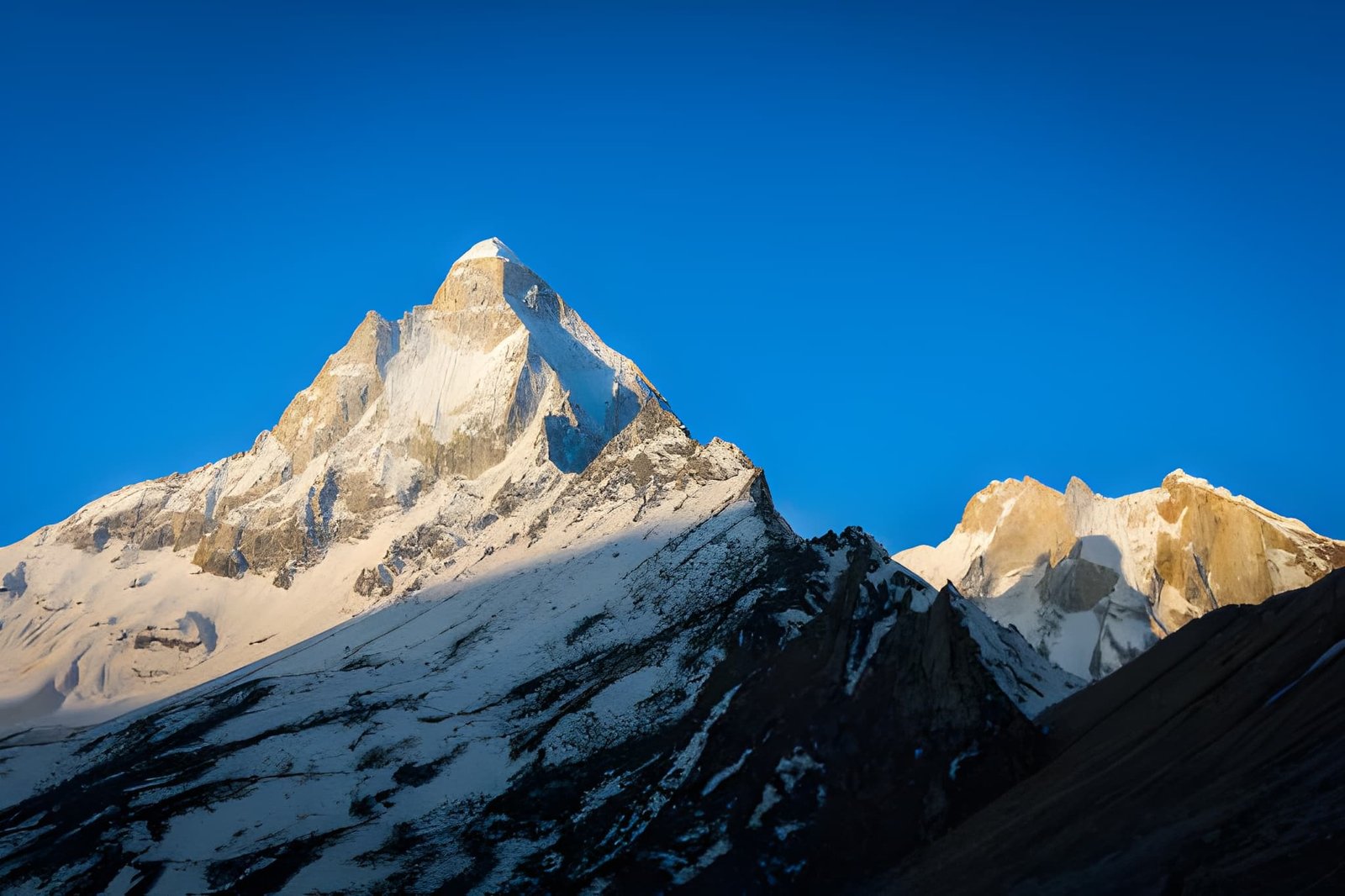
Mount Meru is the second highest mountain in Tanzania, towering to 4,566 metres (14,980 feet) above sea level. A dormant stratovolcano in the Arusha region of northern Tanzania, it stands about 70 km west of its sister, Mount Kilimanjaro, and is the topographic centrepiece of Arusha National Park.
Meru is famous for its spectacular horseshoe-shaped crater, whose inner walls rise in some of the tallest cliffs on any African mountain, with a young ash cone growing on the crater floor below. Its forested slopes gather rainfall that feeds streams flowing into the Pangani Basin, one of the most important river systems in northern Tanzania.
The first recorded ascent was made by Fritz Jaeger in 1904. Climbers today follow a well-made trail from Momella Gate, walking through wildlife-rich parkland and montane forest before the exhilarating final ridge to Socialist Peak.
Why Climb Mount Meru
Meru packs remarkable variety into a few days, from game walks among buffalo and giraffe to a knife-edge summit ridge high above the crater.
The climb begins inside Arusha National Park, so giraffe, buffalo, warthog and colobus monkeys are often seen on the lower slopes.
Walk the rim of a vast collapsed crater, with sheer cliffs dropping to the ash cone far below.
From the summit ridge you watch the sun rise behind Kibo, floating above the clouds to the east.
Many climbers trek Meru before Kilimanjaro, giving their bodies valuable time at altitude.
Far fewer climbers than Kilimanjaro, with simple mountain huts rather than tents at every camp.
Location
Mount Meru rises just northeast of Arusha city, within Arusha National Park. Momella Gate, the starting point of every climb, is roughly an hour's drive from Arusha and about an hour from Kilimanjaro International Airport. Moshi is around 1.5 to 2 hours away.
The mountain's location makes it easy to fit in at the start or end of a trip: you can land at Kilimanjaro International Airport, climb Meru and be back in Arusha for a safari or a Kilimanjaro climb within days.
When to visit
Meru can be climbed all year, but the dry months give the safest footing on the summit ridge and the clearest views of Kilimanjaro.
The best and most reliable time to climb, with clear skies, dry trails and cold, crisp nights at Saddle Hut.
Short afternoon showers, lush forest and quiet trails. Mornings are often clear for summit views.
Warmer weather and generally good visibility, an excellent window for Kilimanjaro views from the summit.
Heavy rain makes the trail slippery and the ridge cloudy. Climbs are possible but less rewarding.
June to October and December to February are the most rewarding months, with dry trails and clear views from Socialist Peak.
Warm and mostly dry, with excellent views of Kilimanjaro at sunrise.
A dependable dry month, ideal before the long rains arrive.
Rain begins to build, especially in the second half of the month.
The wettest month, with slippery trails and frequent cloud on the summit.
Rains continue but ease towards the end, and the forest is at its greenest.
Dry season returns, with clear skies and cold nights at the upper hut.
Excellent climbing conditions and crisp, clear summit mornings.
One of the best months, with stable weather and fine crater views.
Dry, clear and quieter than August, perfect for photography.
Still dry and settled, a superb month before the short rains.
Short rains bring afternoon showers, but mornings are often clear.
Mixed weather early on, improving as the warm dry spell begins.
Explore the area
There are two routes from Momella Gate to Miriakamba Hut, a northern and a southern option, after which a single trail climbs to the summit.
Wildlife
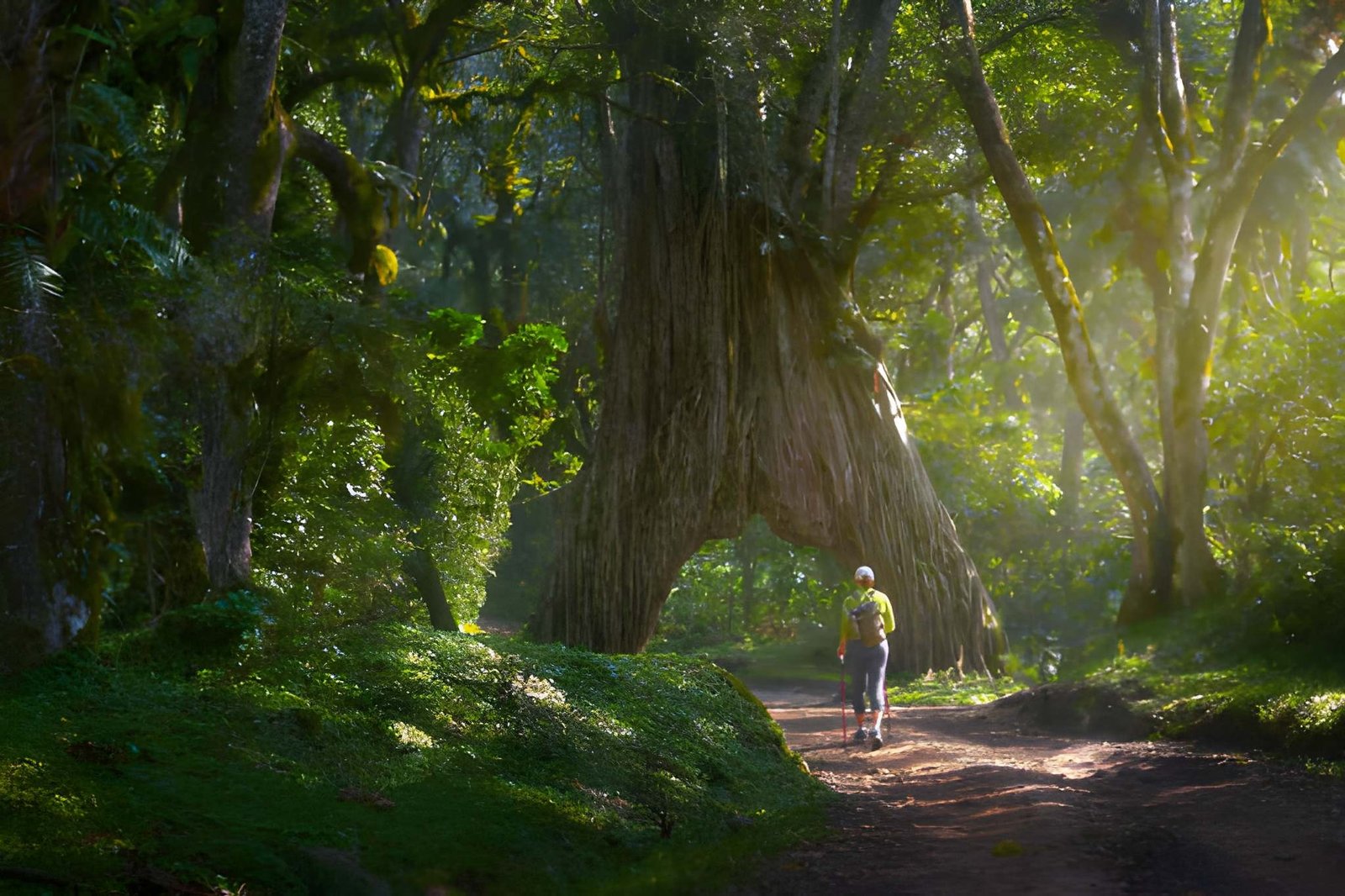
Because the climb starts inside Arusha National Park, Mount Meru offers some of the best wildlife viewing of any African mountain trek. Giraffe, buffalo, warthog and bushbuck graze the lower meadows, while black-and-white colobus and blue monkeys move through the montane forest above.
Higher up, klipspringer may be seen on rocky outcrops and raptors circle the crater cliffs. Elephants and leopards also live in the park, though they are rarely seen on the trail.
Where to look: Grassland and forest glades near Momella Gate
Common on the lower slopes and the main reason an armed ranger accompanies every climb.
Where to look: Open parkland on the first day of the trek
Masai giraffes are often seen browsing around Momella and along the route to Miriakamba.
Where to look: Montane forest around Miriakamba
Arusha National Park is one of the best places in Tanzania to see these striking monkeys.
Where to look: Forest on the lower and middle slopes
Often seen feeding in the canopy along the trail.
Where to look: Open glades near the gate
Frequently seen trotting with tails held high across the grassland.
Where to look: Forest edges and glades
A shy, spiral-horned antelope that emerges at the forest edge in the mornings.
Where to look: Dense montane forest
A small, rufous forest antelope, usually glimpsed as it darts across the trail.
Where to look: Rocky slopes above Saddle Hut
A small, sure-footed antelope that lives on the rocks of the upper mountain.
Where to look: Lower forest
Present in the park, occasionally leaving tracks on the lower trail.
Where to look: Montane forest canopy
A green forest bird that reveals bright crimson wings in flight.

Summit Day
Summit night starts around midnight from Saddle Hut. You climb first to Rhino Point, then follow a narrow ridge along the rim of the crater, with the cliffs falling away into the darkness.
As dawn breaks you reach Socialist Peak at 4,566 metres. Kilimanjaro floats above the clouds to the east, the ash cone lies far below in the crater, and the plains of Arusha stretch away to the horizon.
Safaris to 中文
Mount Meru treks, often combined with a Kilimanjaro climb or a northern circuit safari.
Tanzania · 5 days
Ngorongoro
Tanzania · 4 days
Miriakamba Hut · Saddle Hut
Tanzania · 1 day
Tanzania · 1 day
Tanzania · 1 day
Tanzania · 1 day

Tell us your dates and whether you plan to climb Kilimanjaro too. A GIP Adventure specialist will help you choose the right itinerary, arrange your permits, ranger, guide and porters, and link your climb to a safari.
Usually replies within minutesHeritage
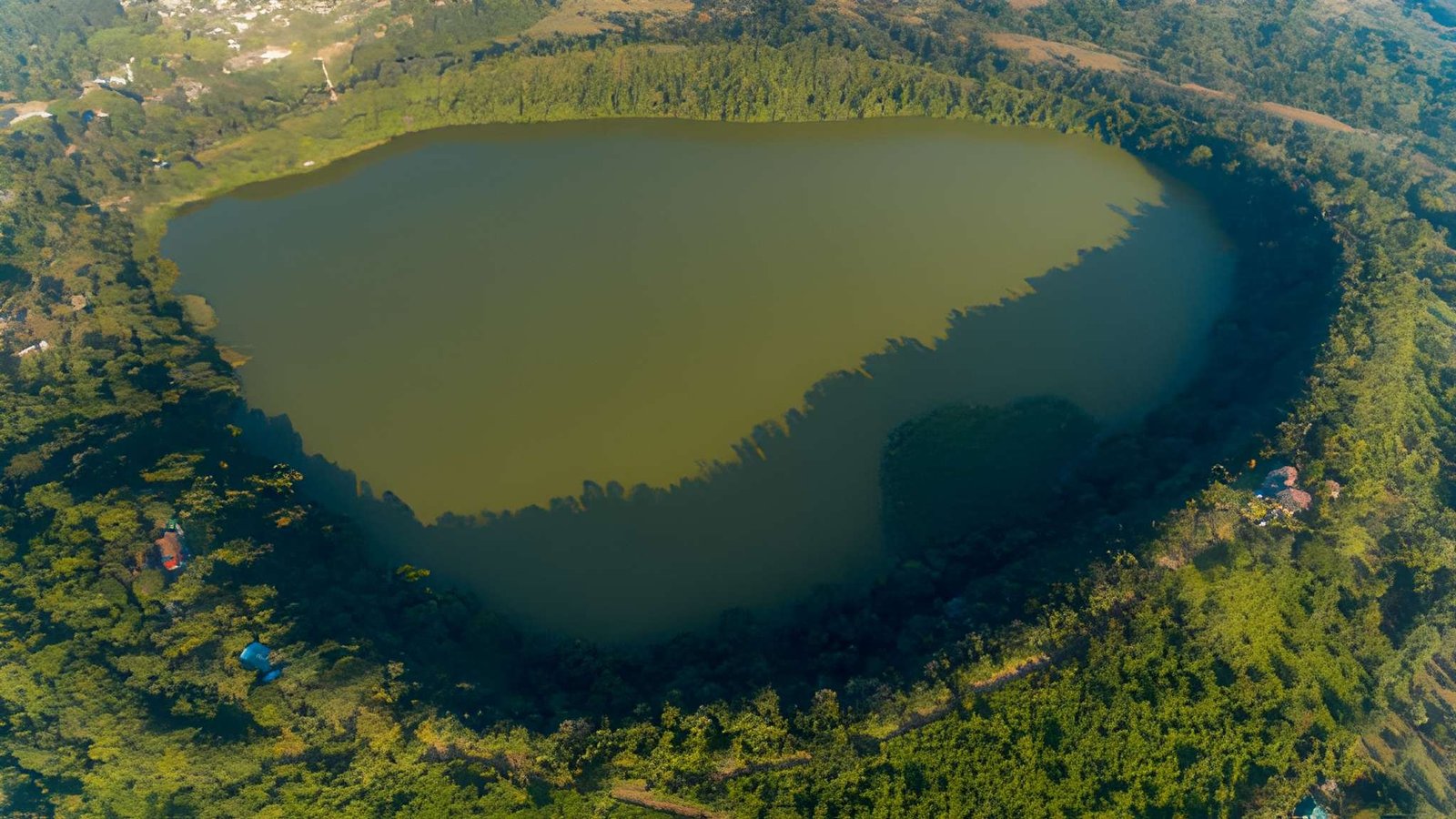
Mount Meru has been shaped by violent volcanic activity. Long ago, a huge collapse blew out the eastern wall of its crater, creating the horseshoe shape seen today and sending debris across the land where the Momella Lakes now lie. A minor eruption was recorded in 1877, and the mountain is now considered dormant.
The Meru and Arusha peoples have farmed its fertile lower slopes for generations. The first recorded ascent was made by Fritz Jaeger in 1904, and today the mountain is protected within Arusha National Park, established in 1960.
Most climbers take 4 days, though a 3-day climb is possible for fit and acclimatised trekkers.
It is a non-technical but demanding trek, with a steep, narrow summit ridge. Good fitness and a head for heights help.
The lower slopes are home to buffalo and elephant, so park rules require an armed ranger to accompany all climbers.
In simple mountain huts at Miriakamba and Saddle Hut, with bunks, shared washrooms and dining areas.
It is an excellent way to acclimatise and improve your chances on Kilimanjaro.
June to October and December to February, when the trails are dry and the views are clearest.
Your safari starts here
Let GIP Adventure plan your Mount Meru climb, on its own or as the perfect warm-up for Kilimanjaro.
Chat with usOnline