
Cradle of Mankind
Fossils and tools that changed our understanding of human origins.

Climbing Kilimanjaro
The complete guideRoutes & fitness calculatorWhat to packOur climbs
6-Day Kilimanjaro: Marangu Route7-Day Kilimanjaro: Machame Route6-Day Kilimanjaro: Umbwe Route7-Day Kilimanjaro: Rongai Route7-Day Kilimanjaro: Shira Plateau / Morrum Barrier Route9-Day Kilimanjaro: Lemosho Route4-Day Mount Meru Trek5-Day Ol Doinyo Lengai & Lake Natron Trek10-Day Kilimanjaro Trekking & Wildlife Safari11-Day Kilimanjaro Trekking & Wildlife SafariTour styles
Big 5 Safaris (7)Great Migration Safaris (6)Classic Wildlife Safaris (32)Wildlife-Themed Safaris (8)Fly-in & Luxury Safaris (8)Honeymoon Safaris (6)Mountain Trekking (10)Beach & Zanzibar Holidays (9)Gorilla & Primate Safaris (19)Multi-Country & Combination Safaris (9)Helicopter Safaris (5)Cultural Tours (2)Day Trips (10)Family SafarisCity Tours & Airport TransfersTailor-Made / Custom TripsPlan
All toursTanzania safari guidePlan a custom tripTanzania
All of TanzaniaNational ParksGame ReservesIslandsHistorical SitesMountains & VolcanoesLakes & WaterfallsCities & CoastKenya
All of KenyaNational ParksReserves & ConservanciesMountains & CoastCitiesUganda
All of UgandaNational ParksWildlife ReservesLakes & WaterfallsCities & GatewaysMore
Cultural experiencesLodges & campsAll destinationsTanzania Historical Sites
One of the most important archaeological sites on Earth, Olduvai Gorge holds a remarkable record of human evolution, between the Ngorongoro Crater and the Serengeti.
Discover Olduvai Gorge
Olduvai Gorge is one of the most important archaeological sites on Earth. It holds a remarkable record of animal and human evolution from about 2 million to 15,000 years ago, including a wide range of stone tools, thousands of animal fossils, both extinct and living species, and the fossil bones of early hominids and early Homo sapiens.
Nearby at Laetoli, three separate tracks of small-brained, upright-walking early hominids were miraculously preserved in muddy volcanic ash, hardened by the sun some 3.6 million years ago. Together, Olduvai and Laetoli are known as the cradle of mankind.
Why Olduvai
Olduvai adds a fascinating human story to any northern circuit safari.
Fossils and tools that changed our understanding of human origins.
A museum overlooking the gorge, with fossils, casts and exhibits.
Casts of 3.6-million-year-old hominin footprints preserved in volcanic ash.
Located between Ngorongoro and the Serengeti, easy to include in a safari.
Location
Olduvai Gorge lies in the Ngorongoro Conservation Area, on the road between the Ngorongoro Crater and the Serengeti. The museum is a short detour from the main road, making it easy to visit on the way to or from the Serengeti.
The gorge is about 48 km long and up to 90 metres deep, cutting through layers of volcanic ash and sediment that preserve its fossils.
When to visit
Olduvai can be visited year-round, on the way between Ngorongoro and the Serengeti.
Dry, pleasant weather and the most popular time to travel in northern Tanzania.
Short afternoon showers and green scenery.
Warm days and clear skies, a great time to visit.
The wettest months; museums and indoor sites are a good choice on rainy days.
The museum is open all year; the dry season offers clearer views of the gorge.
Warm and clear, a great month to visit.
Warm and dry before the long rains.
Long rains begin; plan indoor visits around showers.
The wettest month, but indoor sites remain open.
Rains ease towards the end of the month.
Dry season begins, with cool mornings.
Cool and dry, ideal for sightseeing.
Dry and clear, a popular travel month.
Pleasant and dry, excellent for exploring.
Warm and dry before the short rains.
Short rains bring brief showers.
Warm, green and festive.
Explore the area
The gorge, the museum and nearby sites.

The Leakey Discoveries
Archaeologists Louis and Mary Leakey worked at Olduvai for decades, discovering fossils such as Paranthropus boisei in 1959 and Homo habilis, one of the earliest members of our genus.
Mary Leakey's team later discovered the Laetoli footprints in 1978, providing evidence that our ancestors walked upright 3.6 million years ago.
Safaris to 中文
Northern circuit safaris that include Olduvai Gorge.
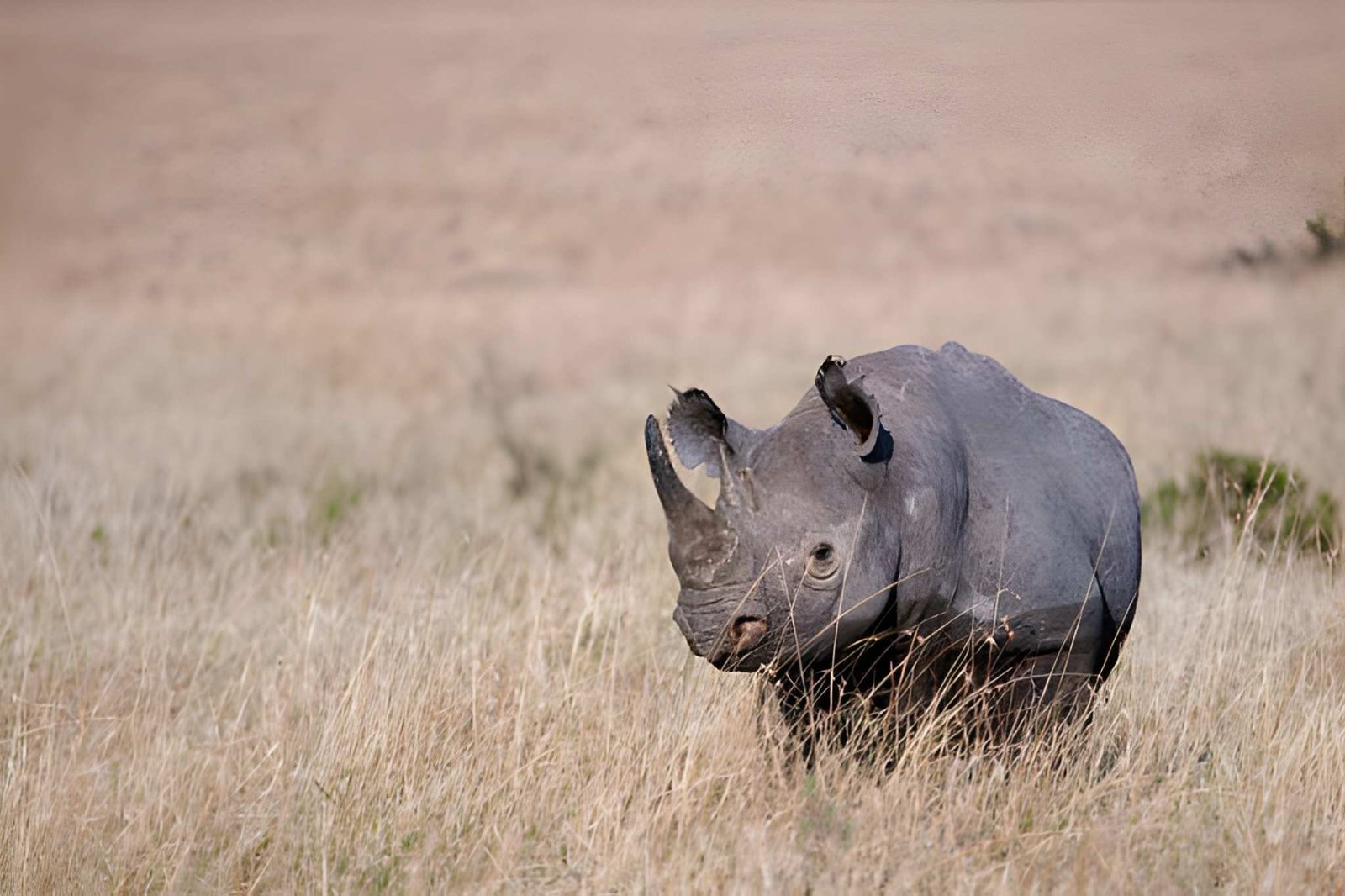
Tanzania · 5 days
Ngorongoro · Serengeti
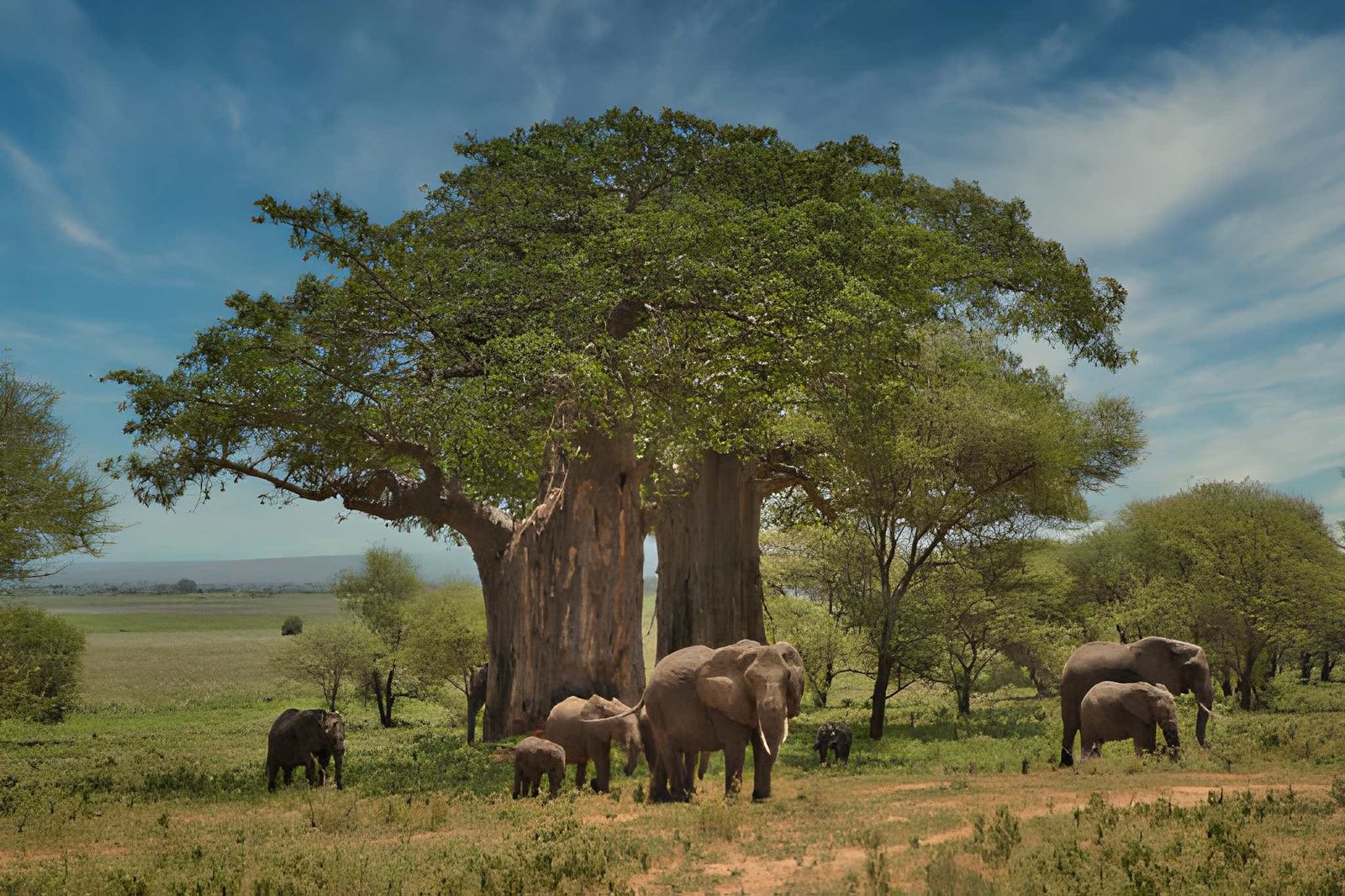
Tanzania · 9 days
Tarangire · Ngorongoro · Serengeti
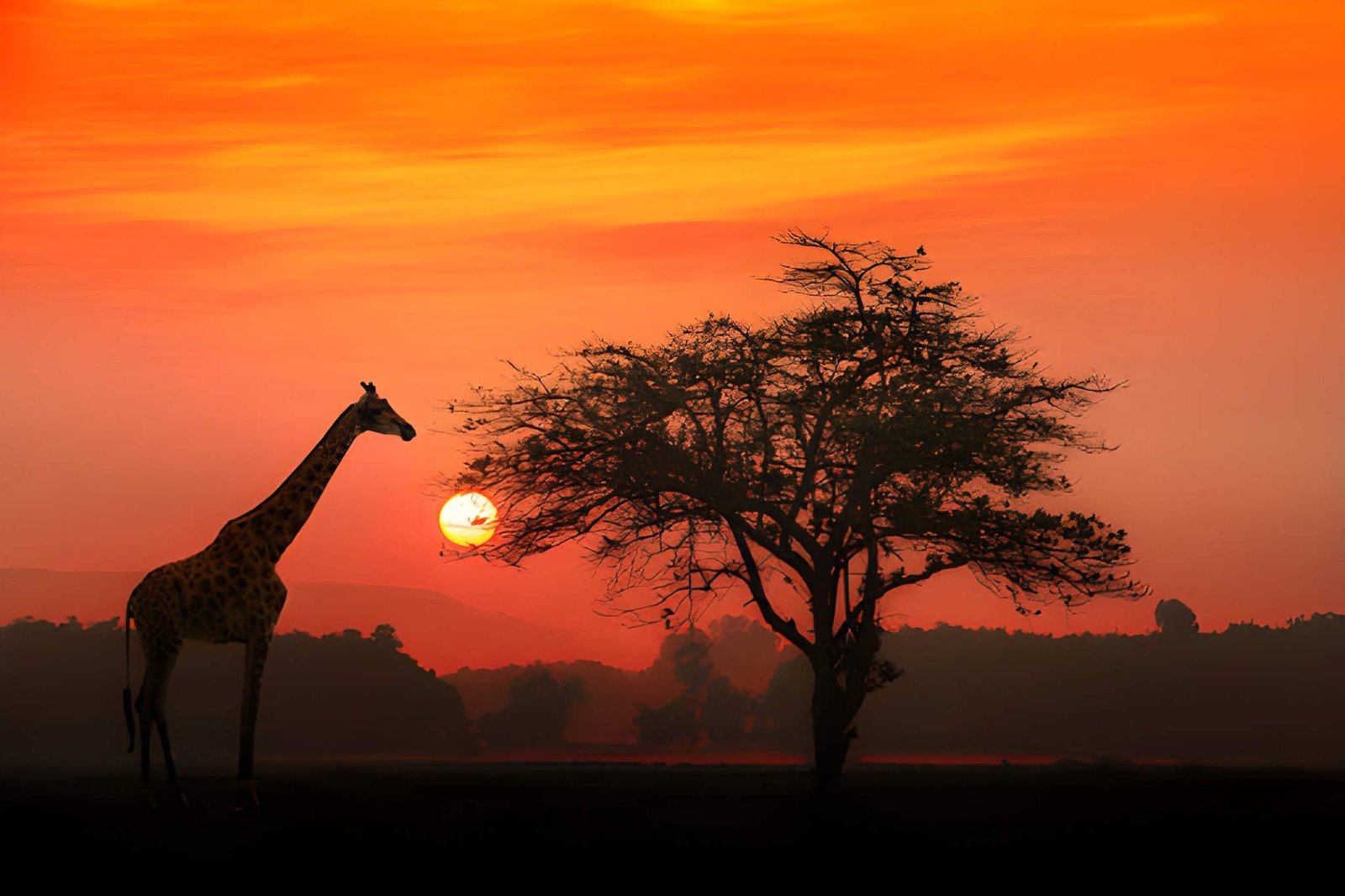
Tanzania · 13 days
Tarangire · Lake Manyara · Serengeti · Nyerere
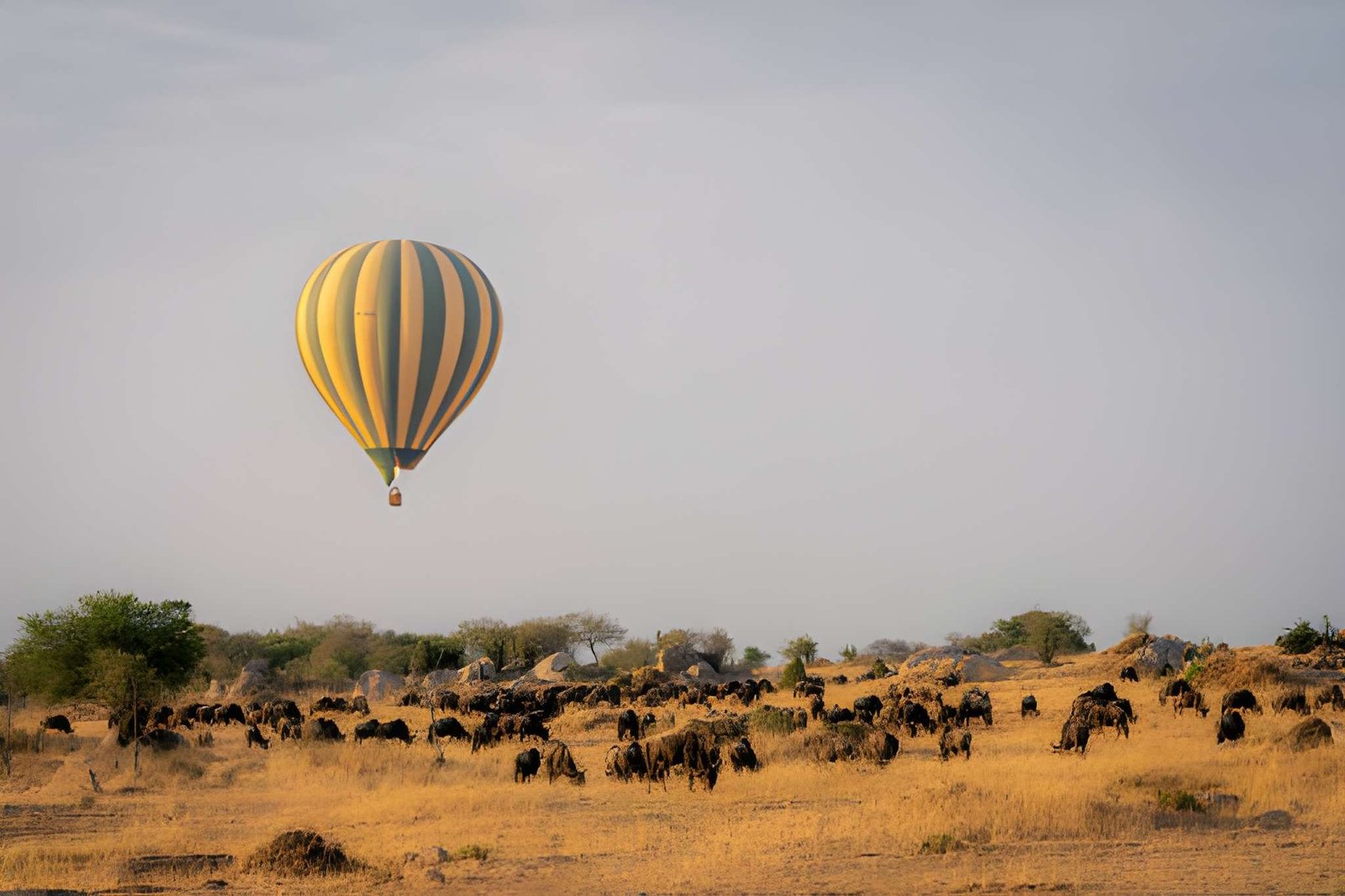
Tanzania · 10 days
Tarangire · Lake Manyara · Serengeti

Tanzania · 5 days
Serengeti · Ngorongoro
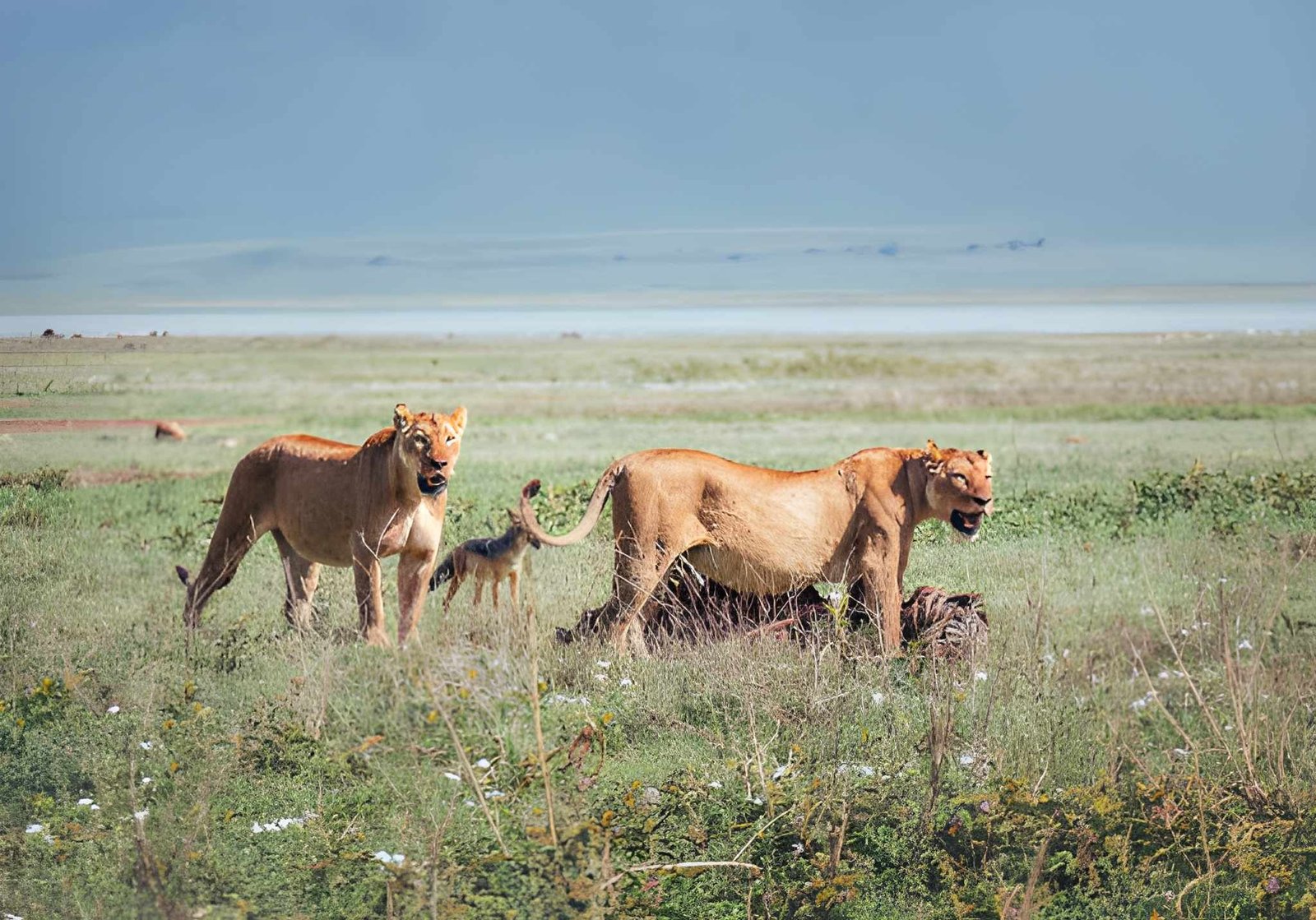
Tanzania · 2 days
Ngorongoro
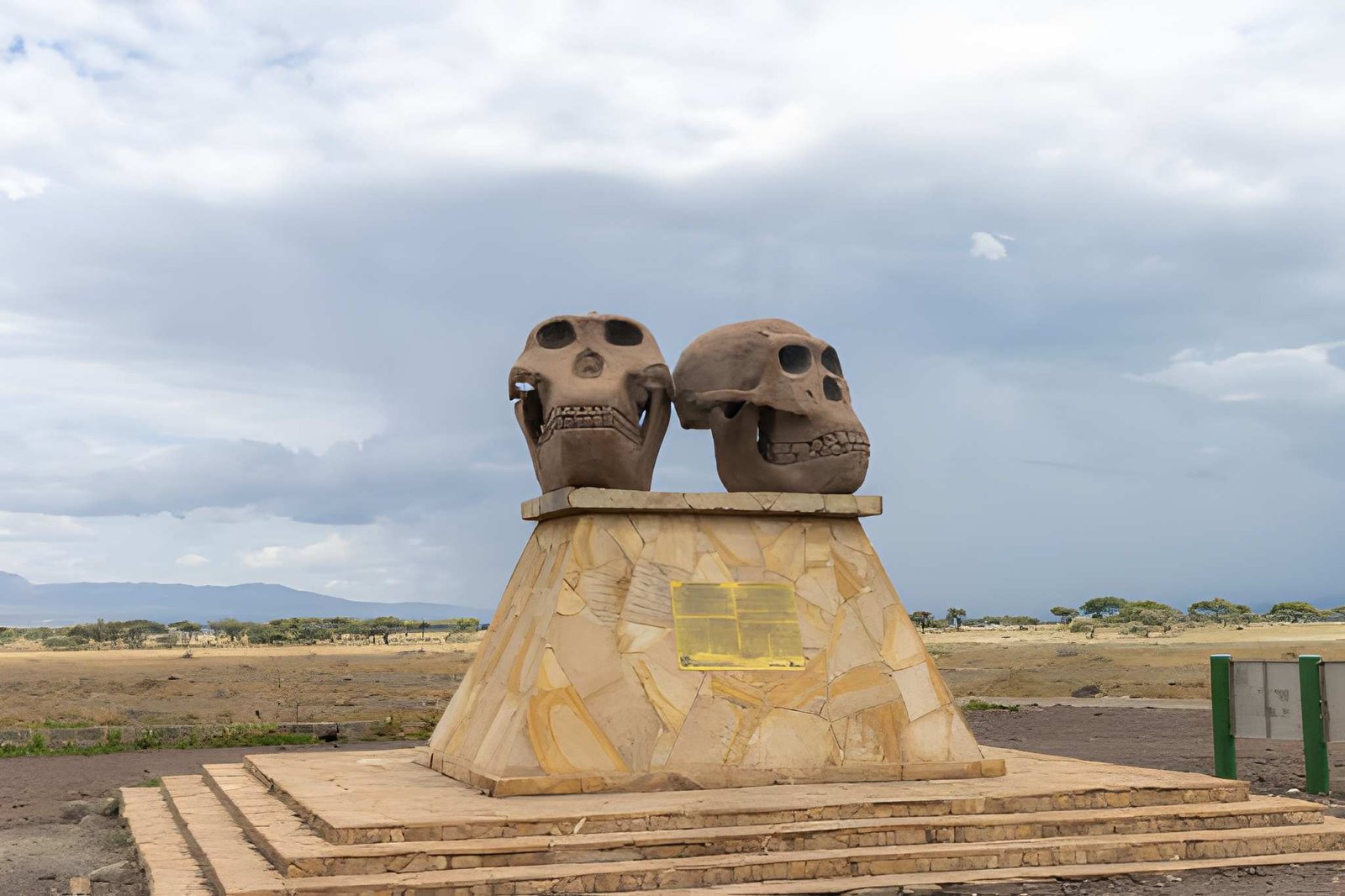
Tanzania · 5 days
Serengeti · Ngorongoro
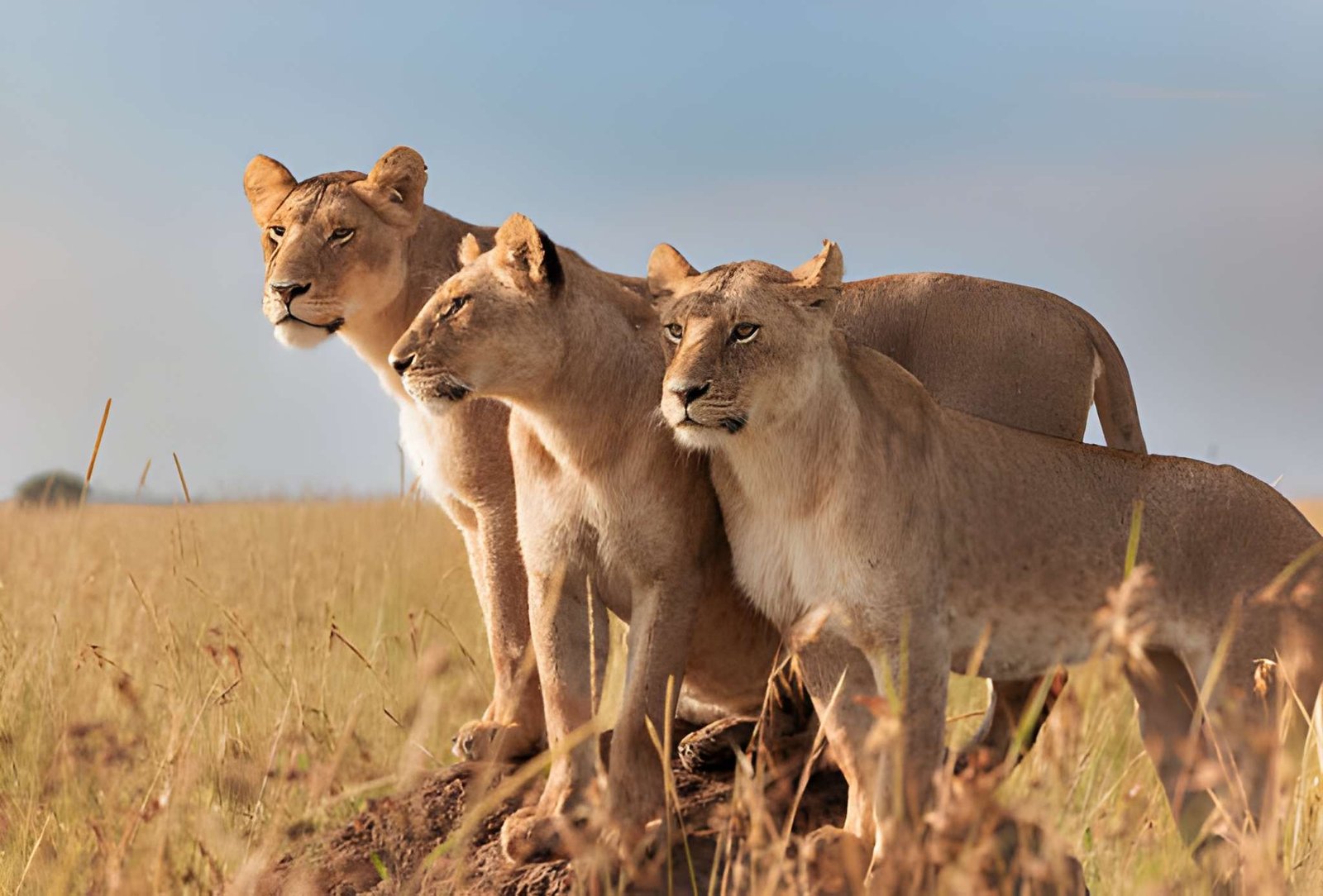
Tanzania · 7 days
Tarangire · Serengeti · Ngorongoro · Lake Manyara
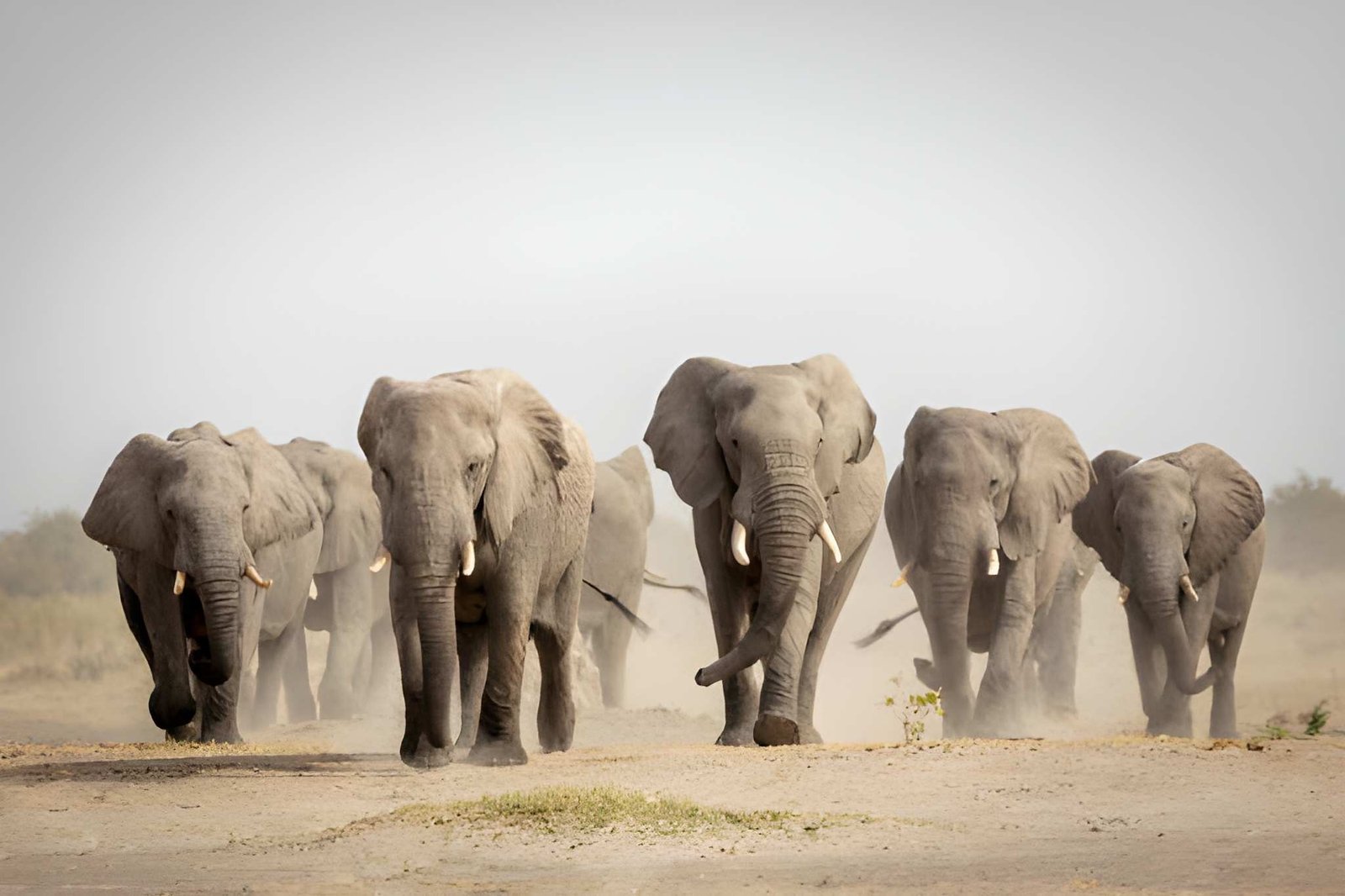
Tanzania · 6 days
Ngorongoro · Serengeti
Stay in 中文
Lodges in the Ngorongoro area and the southern Serengeti.

Tell us your safari plans and we will include Olduvai Gorge on your route.
Usually replies within minutesHeritage
The gorge takes its name from oldupai, the Maasai word for the wild sisal plant that grows there. Fossils were first noticed in the early 20th century, but it was the work of the Leakey family that made Olduvai world famous.
Today, Olduvai remains an active research site and an important part of the Ngorongoro Conservation Area World Heritage Site.
One of the most important archaeological sites in the world, with fossils and tools spanning two million years of human evolution.
In the Ngorongoro Conservation Area, between the crater and the Serengeti.
About one to two hours for the museum and viewpoint.
Casts and exhibits of the footprints are displayed at the museum.
Yes, it adds a fascinating human dimension to a safari.
Yes, it is easily included on the drive between Ngorongoro and the Serengeti.
Your safari starts here
Let Gip Adventure include Olduvai Gorge in your northern Tanzania safari.
Chat with usOnline