
Walking Tours
Expert local guides take you through the old slave market, Freddie Mercury House, the House of Wonders and the Sultan's Palace.

Climbing Kilimanjaro
The complete guideRoutes & fitness calculatorWhat to packOur climbs
6-Day Kilimanjaro: Marangu Route7-Day Kilimanjaro: Machame Route6-Day Kilimanjaro: Umbwe Route7-Day Kilimanjaro: Rongai Route7-Day Kilimanjaro: Shira Plateau / Morrum Barrier Route9-Day Kilimanjaro: Lemosho Route4-Day Mount Meru Trek5-Day Ol Doinyo Lengai & Lake Natron Trek10-Day Kilimanjaro Trekking & Wildlife Safari11-Day Kilimanjaro Trekking & Wildlife SafariTour styles
Big 5 Safaris (7)Great Migration Safaris (6)Classic Wildlife Safaris (32)Wildlife-Themed Safaris (8)Fly-in & Luxury Safaris (8)Honeymoon Safaris (6)Mountain Trekking (10)Beach & Zanzibar Holidays (9)Gorilla & Primate Safaris (19)Multi-Country & Combination Safaris (9)Helicopter Safaris (5)Cultural Tours (2)Day Trips (10)Family SafarisCity Tours & Airport TransfersTailor-Made / Custom TripsPlan
All toursTanzania safari guidePlan a custom tripTanzania
All of TanzaniaNational ParksGame ReservesIslandsHistorical SitesMountains & VolcanoesLakes & WaterfallsCities & CoastKenya
All of KenyaNational ParksReserves & ConservanciesMountains & CoastCitiesUganda
All of UgandaNational ParksWildlife ReservesLakes & WaterfallsCities & GatewaysMore
Cultural experiencesLodges & campsAll destinationsTanzania Historical Sites
A labyrinth of narrow streets, carved wooden doors, palaces, mosques and markets, Stone Town is the historic heart of Zanzibar and a UNESCO World Heritage Site.
Discover Stone Town
Stone Town is the old part of Zanzibar City, a special place that gets you lost in its labyrinth of narrow streets and alleys. Whether you are a culture enthusiast or a food lover, it is the right place for you.
Its architecture blends Swahili, Arab, Persian, Indian and European influences, seen in grand houses, intricately carved doors, mosques, churches and bustling markets. Stone Town was declared a UNESCO World Heritage Site in 2000.
Why Stone Town
Stone Town brings Zanzibar's rich past to life at every turn.
Expert local guides take you through the old slave market, Freddie Mercury House, the House of Wonders and the Sultan's Palace.
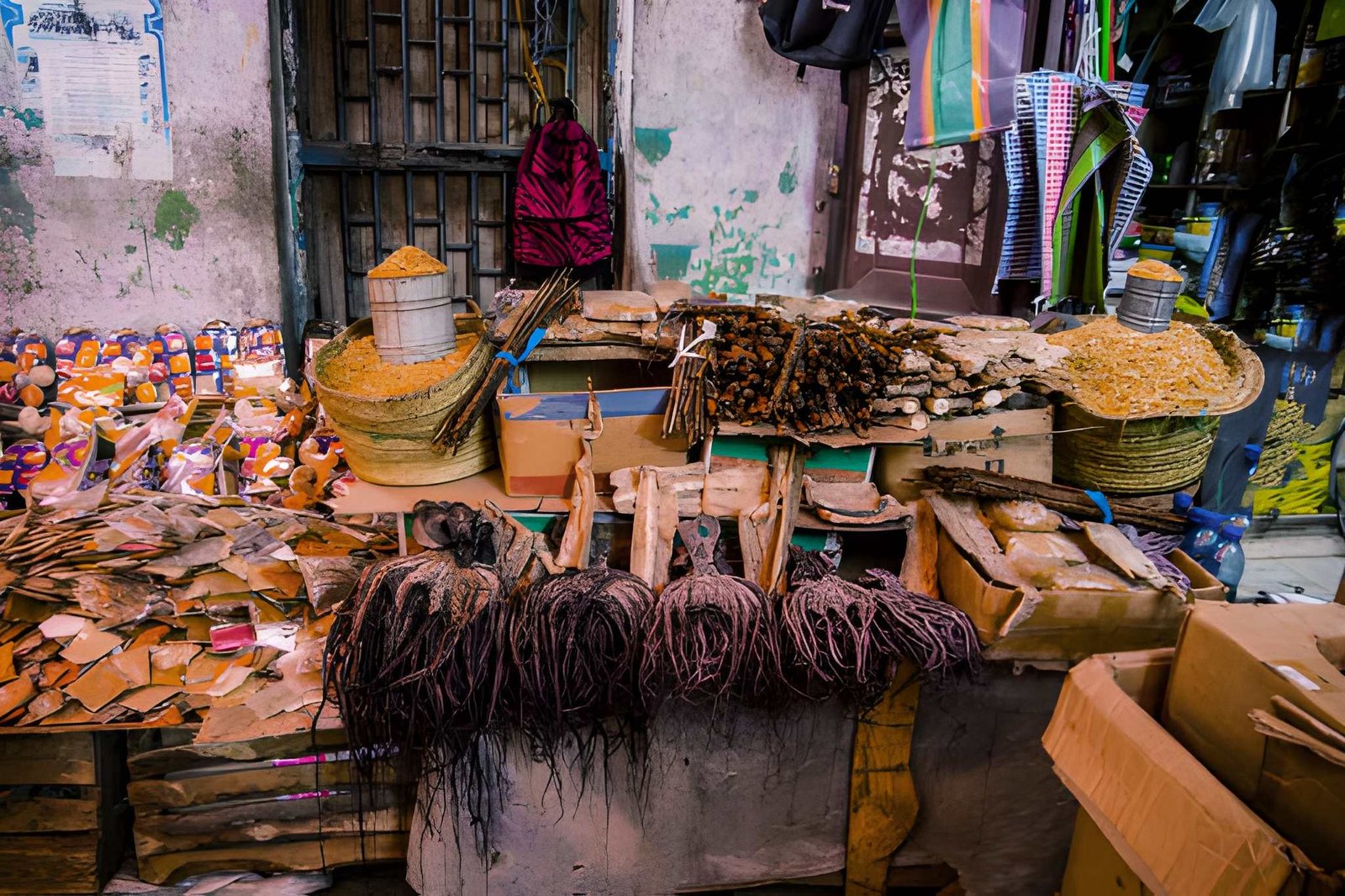
A bustling market full of spices, fruit, fish and local life.
Hundreds of ornate wooden doors tell the stories of the families who built them.
Evening street food at Forodhani Gardens, with Zanzibar pizza and fresh seafood.
Location
Stone Town lies on the western coast of Zanzibar Island, about 15 minutes from Abeid Amani Karume International Airport. Fast ferries from Dar es Salaam arrive at the port beside the old town.
It is the gateway to Zanzibar's beaches, spice farms and islands such as Prison Island, Grave Island and Chumbe.
When to visit
Stone Town can be explored year-round, with the dry season the most comfortable for walking.
Sunny, dry weather and calm seas, the most popular time to visit.
Hot and sunny, with clear water for swimming and snorkelling.
Brief showers and quieter sites.
The wettest months; visits are still possible between showers.
The dry months are best for walking tours, but the town is lively all year.
Hot and sunny, ideal for island trips.
The hottest month, with calm, clear seas.
Long rains begin mid-month.
The wettest month; visit between showers.
Rains ease late in the month.
Dry season begins with pleasant breezes.
The coolest month, sunny and comfortable.
Dry and sunny, perfect for excursions.
Excellent weather and clear water.
Warm and dry, great for boat trips.
Short rains bring brief showers.
Hot and sunny, with festive-season visitors.
Explore the area
Each corner of the old town holds a different story.

A Stone Town Walking Tour
Our local expert guides will take you through the slave market, Freddie Mercury House, the House of Wonders, the Sultan's Palace and the Darajani food market, sharing the stories behind each building.
As the sun sets, join the locals at Forodhani Gardens for street food, or enjoy a rooftop dinner with views over the harbour.
Safaris to 中文
Zanzibar holidays and excursions that include Stone Town.
Tanzania · 6 days
Zanzibar
Tanzania · 11 days
Stone Town · Nungwi · Kizimkazi

Tanzania · 5 days
Stone Town
Tanzania · 6 days
Stone Town
Tanzania · 11 days
Ngorongoro · Serengeti · Stone Town

Tanzania & Kenya · 12 days
Amboseli · Tarangire · Serengeti · Ngorongoro
Stay in 中文
Historic hotels and boutique stays in the heart of the old town.

Tell us your dates and we will plan your Stone Town walking tour and Zanzibar stay.
Usually replies within minutesHeritage
Stone Town grew as a trading port linking Africa with Arabia, Persia and India. In the 19th century, the Omani sultans made it their capital, and many of the grand stone buildings date from this period.
The town was also a centre of the East African slave trade until its abolition in 1873. Today, Stone Town's preserved architecture and living culture make it one of the most important Swahili towns in the world.
The former slave market, Freddie Mercury House, the House of Wonders, the Sultan's Palace, the Old Fort and Darajani market.
A half-day walking tour covers the highlights; a full day or overnight lets you explore at a slower pace.
Yes, especially with a local guide, who will help you navigate the narrow alleys.
Modest clothing covering shoulders and knees is respectful in the old town.
Forodhani Gardens in the evening is famous for Zanzibari street food.
Yes. Most visitors spend a night or two in Stone Town before heading to the beaches.
Your safari starts here
Let Gip Adventure guide you through the alleys and stories of Stone Town.
Chat with usOnline