
Chimpanzee Trekking
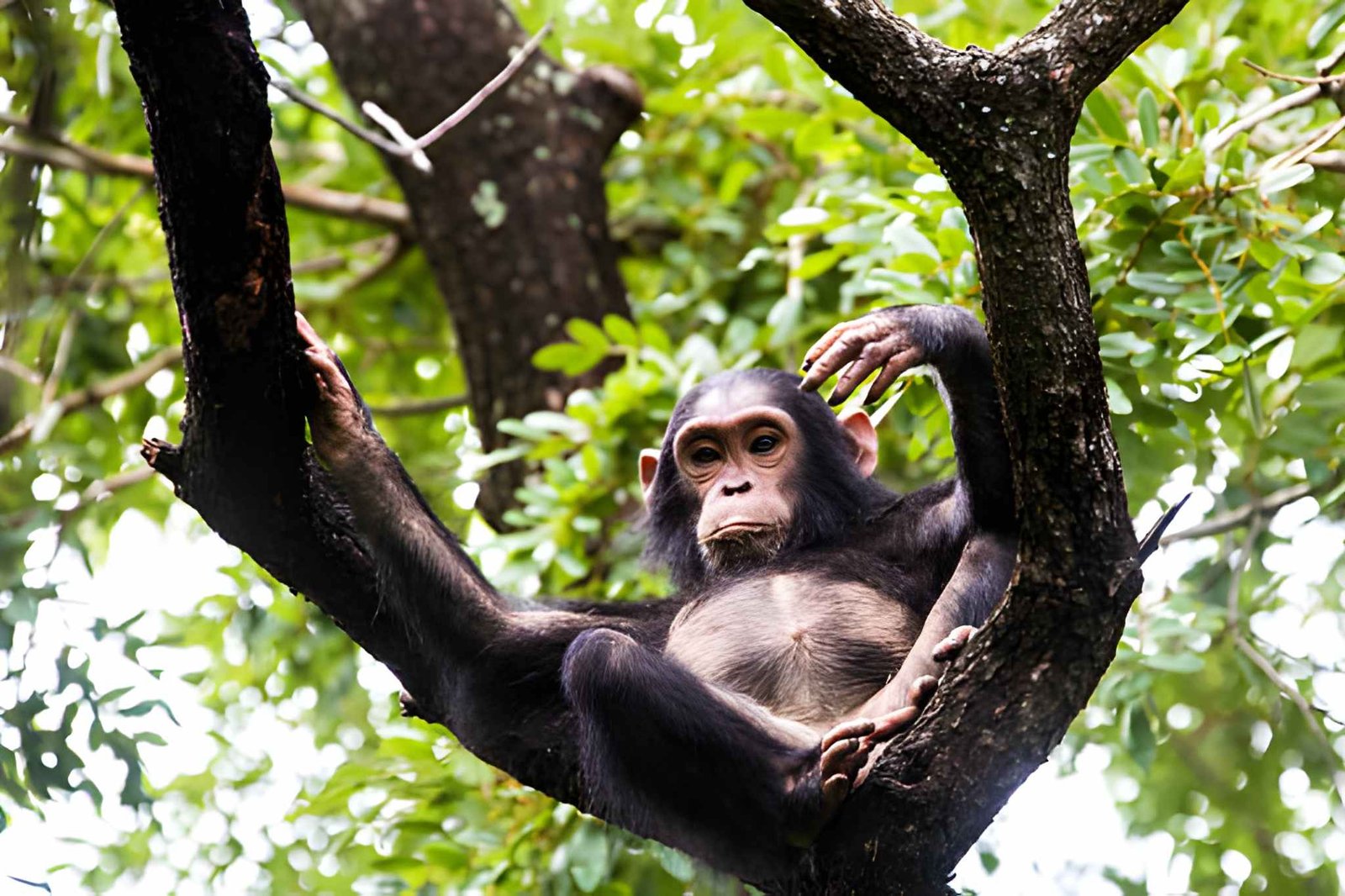
Follow your guide into the forest to find a habituated chimpanzee community, then spend an hour watching them feed, call, groom and move through the trees.

Climbing Kilimanjaro
The complete guideRoutes & fitness calculatorWhat to packOur climbs
6-Day Kilimanjaro: Marangu Route7-Day Kilimanjaro: Machame Route6-Day Kilimanjaro: Umbwe Route7-Day Kilimanjaro: Rongai Route7-Day Kilimanjaro: Shira Plateau / Morrum Barrier Route9-Day Kilimanjaro: Lemosho Route4-Day Mount Meru Trek5-Day Ol Doinyo Lengai & Lake Natron Trek10-Day Kilimanjaro Trekking & Wildlife Safari11-Day Kilimanjaro Trekking & Wildlife SafariTour styles
Big 5 Safaris (7)Great Migration Safaris (6)Classic Wildlife Safaris (32)Wildlife-Themed Safaris (8)Fly-in & Luxury Safaris (8)Honeymoon Safaris (6)Mountain Trekking (10)Beach & Zanzibar Holidays (9)Gorilla & Primate Safaris (19)Multi-Country & Combination Safaris (9)Helicopter Safaris (5)Cultural Tours (2)Day Trips (10)Family SafarisCity Tours & Airport TransfersTailor-Made / Custom TripsPlan
All toursTanzania safari guidePlan a custom tripTanzania
All of TanzaniaNational ParksGame ReservesIslandsHistorical SitesMountains & VolcanoesLakes & WaterfallsCities & CoastKenya
All of KenyaNational ParksReserves & ConservanciesMountains & CoastCitiesUganda
All of UgandaNational ParksWildlife ReservesLakes & WaterfallsCities & GatewaysMore
Cultural experiencesLodges & campsAll destinationsUganda National Parks
Pant-hoots echo through towering trees as you follow chimpanzees through one of Africa's richest rainforests, the primate capital of East Africa.
Discover Kibale
Kibale National Park is a wildlife sanctuary in Kabarole district in western Uganda, close to the attractive town of Fort Portal, the seat of the Tooro Kingdom, where the youngest king in Uganda and Africa came to the throne. Kibale is renowned for its chimpanzees, with a population of about 1,500, and it is widely regarded as the best destination in East Africa to see wild chimpanzees.
Covering 795 km², the park supports around 70 species of mammals, including forest elephants and 13 primate species, among them the endangered chimpanzee. It is also a bird paradise, with about 375 species recorded, and around 351 tree species, some rising over 55 metres and more than 200 years old.
Beyond the forest, the Kibale area is one of Uganda's most beautiful corners. The Bigodi Wetland Sanctuary is a haven for birds and primates, the crater lakes around Fort Portal sparkle in steep volcanic bowls, and the Tooro culture adds a rich human story to your visit.
Why Kibale
With habituated chimpanzee communities, a remarkable range of other primates and gorgeous crater-lake scenery nearby, Kibale is an essential stop on any Uganda safari.
Follow your guide into the forest to find a habituated chimpanzee community, then spend an hour watching them feed, call, groom and move through the trees.
Spend around four hours with chimpanzees still being habituated, observing their behaviour in fascinating detail alongside researchers and guides.
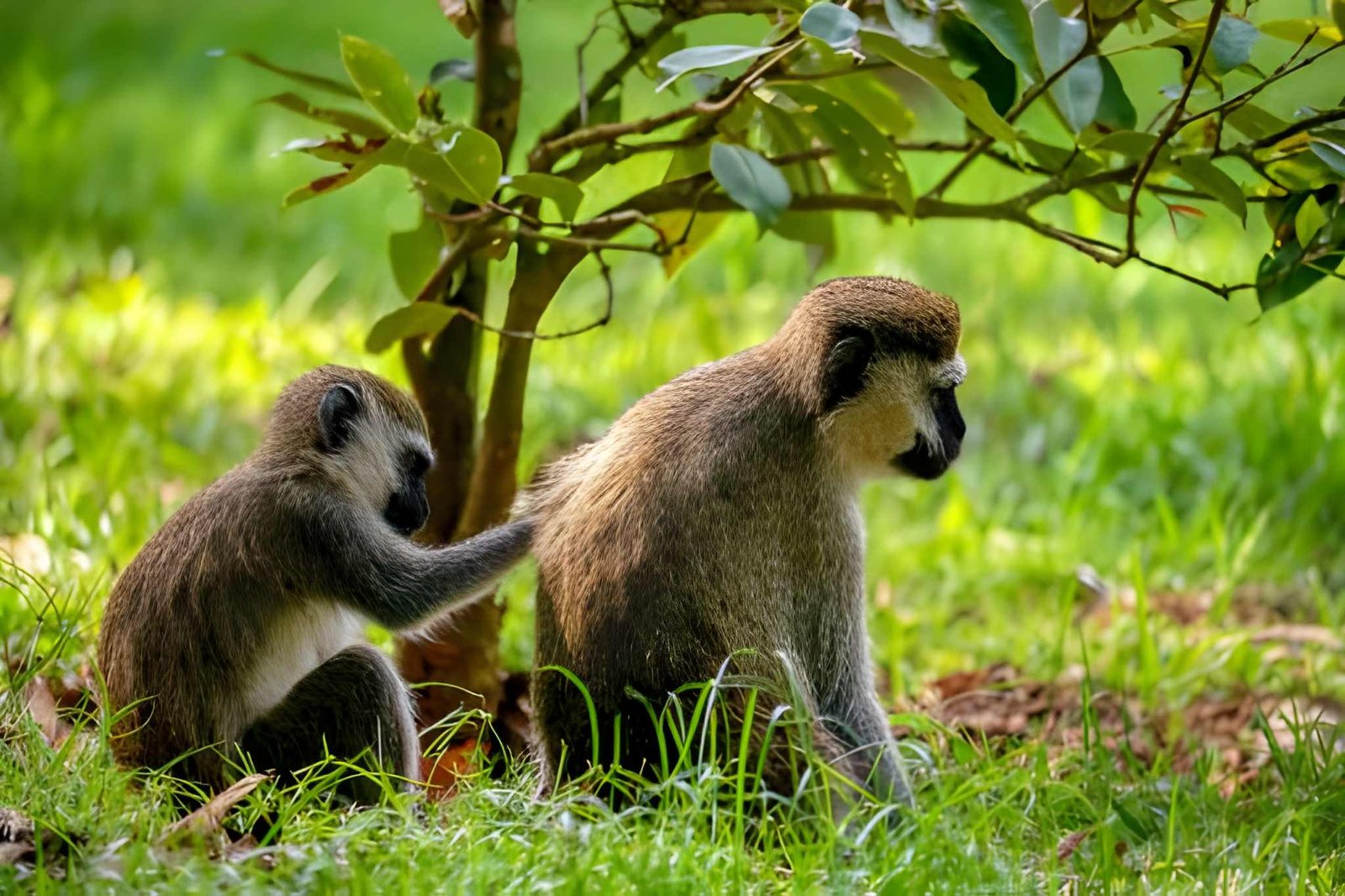
Red colobus, black-and-white colobus, L'Hoest's monkeys, grey-cheeked mangabeys and red-tailed monkeys are among the primates you may see.
A community-run swamp walk rich in birds and primates, the perfect follow-up to a morning chimp trek.
Explore a landscape of crater lakes enclosed by steep volcanic slopes, with views over the forest and the Rift Valley.
Location
Kibale lies in western Uganda, south and east of the town of Fort Portal. Fort Portal is about 300 km from Kampala, roughly 5 to 6 hours by road, and Kanyanchu, the main chimpanzee trekking centre, is around 35 km further south, about an hour's drive. Travellers starting at Entebbe International Airport should allow around an hour more, and flights to Kasese airstrip shorten the journey.
Kibale is a natural partner to Queen Elizabeth National Park, around 2 to 3 hours to the south, and forms part of Uganda's classic western circuit that continues on to Bwindi for gorilla trekking. The Rwenzori Mountains and Semuliki National Park are also within reach of Fort Portal.
When to visit
Chimpanzee trekking takes place all year, but the forest trails are easiest in the dry months, while the wet season brings fruiting trees and lush scenery.
Firm trails and comfortable trekking conditions make this the most popular time to visit, with high demand for permits.
Another excellent window, with pleasant weather, good chimp tracking and fine birding.
Heavier rain and muddy trails, but the forest is lush, visitor numbers are low and food is plentiful for the chimps.
Regular showers and green forest, with tracking continuing as normal and fewer visitors.
Chimpanzees can be tracked in any month. The dry seasons make walking easiest, while the rains bring a quieter, greener forest.
Dry and warm, with good conditions for chimpanzee trekking and birding.
One of the driest months, ideal for forest walks and crater lake hikes.
Rains begin to return, bringing fresh growth and fewer visitors.
Often the wettest month, with muddy trails but a lush, vibrant forest.
Rains continue, and the forest is quiet and green.
The dry season begins and trekking conditions improve noticeably.
Excellent chimp trekking, with firm trails and busy lodges.
Peak season for chimpanzee permits, with good weather for exploring.
Good trekking continues, with occasional showers.
Short rains arrive, bringing afternoon showers and a greener forest.
Wet at times but rewarding, with few visitors and active birdlife.
Drier weather returns, making it a good month for a festive safari.
Explore the area
From the forest trekking centres to wetlands, crater lakes and cultural sites, the Kibale area offers far more than a single chimp trek.
Wildlife
Kibale is home to one of the highest concentrations of primates in Africa. Alongside its famous chimpanzees, look out for Ugandan red colobus, black-and-white colobus, L'Hoest's monkeys, grey-cheeked mangabeys, red-tailed and blue monkeys, olive baboons and nocturnal bushbabies and pottos.
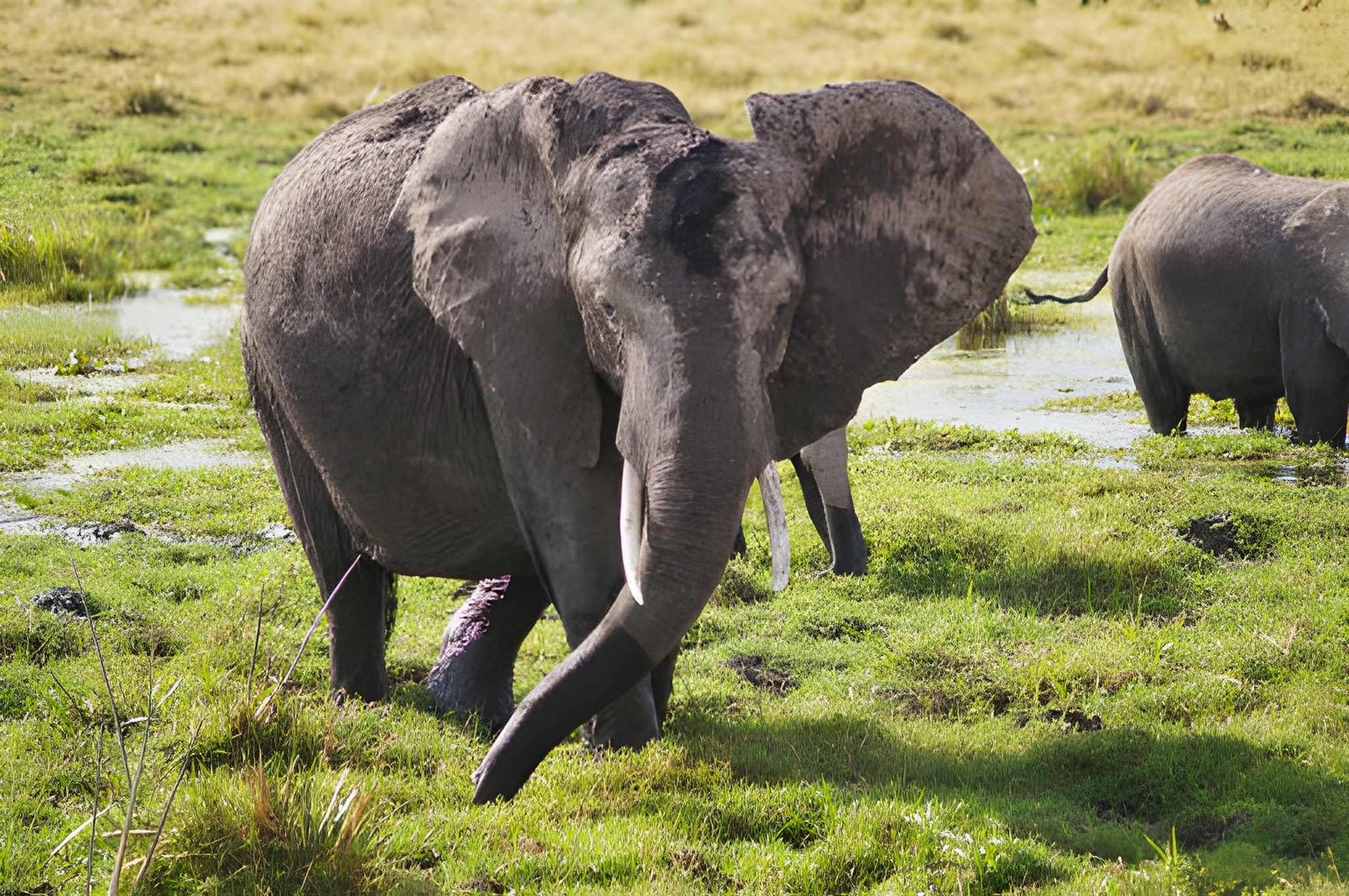
Around 70 mammal species live in the park, including forest elephants, buffalo, bushpigs and duikers, though the larger mammals are shy and rarely seen. Birders will find about 375 species, from the great blue turaco to the rare green-breasted pitta, while the forest and the Bigodi wetland come alive with butterflies.
Where to look: Kanyanchu and Sebitoli trekking areas
Kibale's habituated chimpanzee communities give some of the most reliable chimp sightings in Africa.
Where to look: Forest canopy and Bigodi wetland
An endangered leaf-eating monkey, often seen in noisy groups high in the trees.
Where to look: Forest edges and Bigodi
Easily recognised by their flowing white capes and long, bushy tails.
Where to look: Forest floor and lower canopy
A striking monkey with a white beard, often seen moving along the forest floor.
Where to look: Forest canopy, especially in Bigodi
A shaggy, dark monkey with a loud whooping call, a Kibale speciality.
Where to look: Forest edges throughout the park
Small, curious monkeys with a white nose spot and red tail.
Where to look: Roads and forest edges
Troops are often seen along the roads and around the park edges.
Where to look: Deep forest areas
Present in good numbers but seldom seen in the dense forest; tracks and dung are more common.
Where to look: Forest canopy and Bigodi
A large, colourful bird whose calls ring through the forest.
Where to look: Dense forest undergrowth
A rare and secretive forest bird and a prize sighting for keen birders.

Chimpanzee Trekking
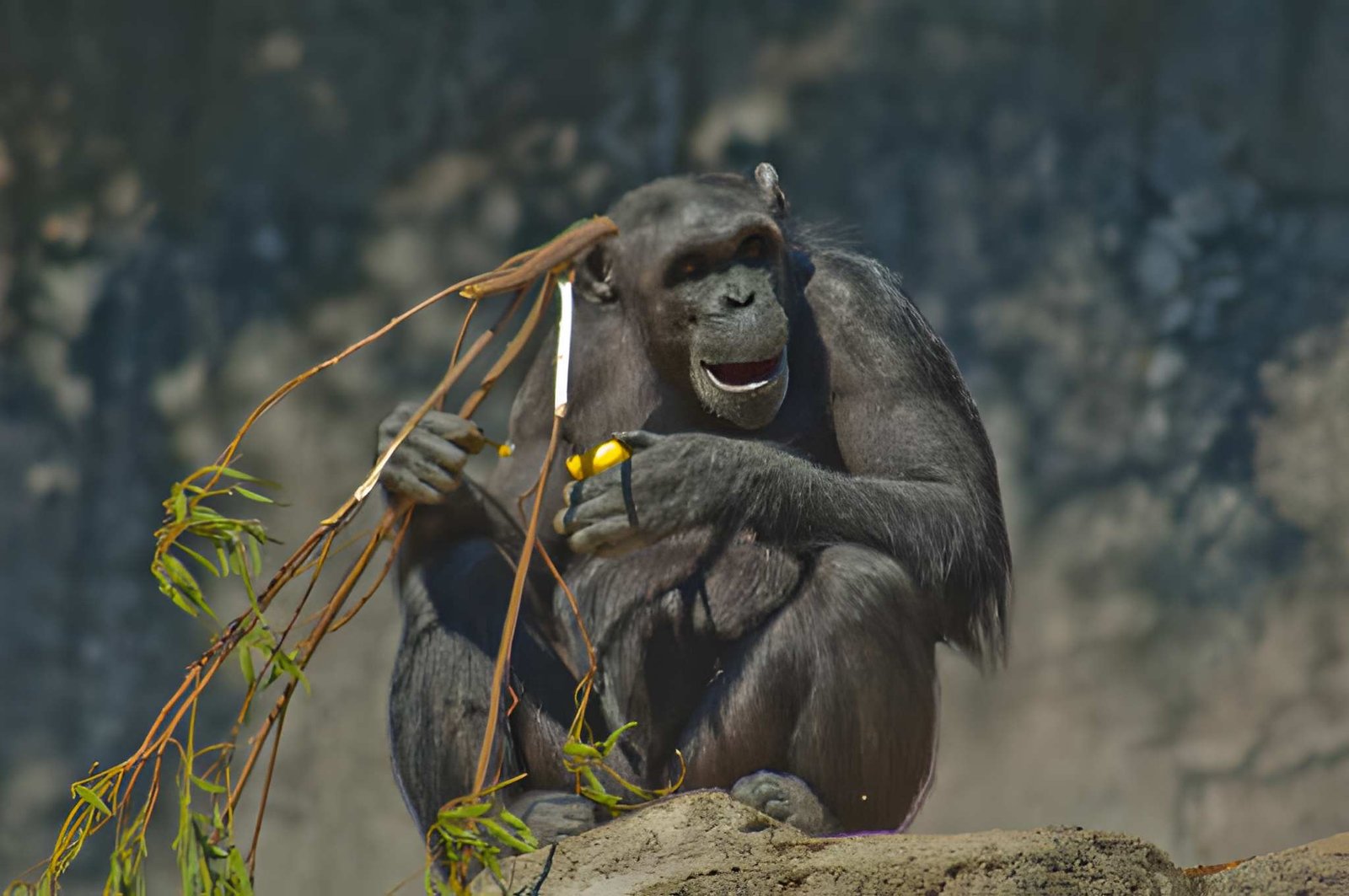
Your chimpanzee trek begins with a briefing at Kanyanchu before you head into the forest with an experienced guide. Often the first sign of the chimps is their loud chorus of pant-hoots, followed by the rustle of branches as they move through the trees. Once you reach them, you spend an hour observing these intelligent primates and learning about their lifestyle from your guide.
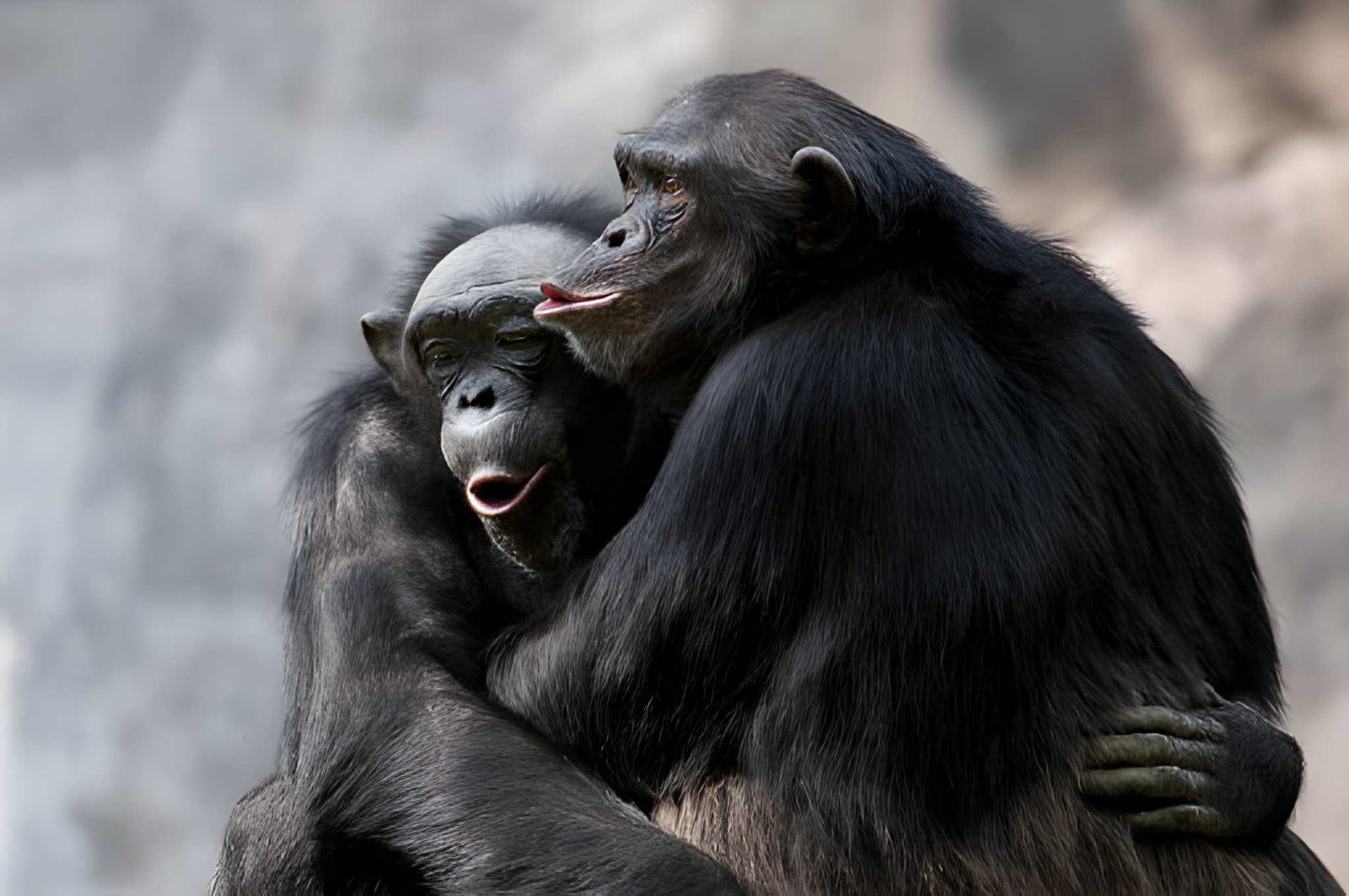
For an even deeper experience, the chimpanzee habituation experience lets you spend around four hours with a community that is still becoming used to people. You may see them leave their nests, feed, nurse their young, mate, groom, display, and move on the ground or swing through the trees, sometimes even hunting smaller primates.
Safaris to 中文
Itineraries that include chimpanzee trekking in Kibale, often combined with Queen Elizabeth National Park and gorilla trekking in Bwindi.
Tanzania · 10 days
Kigoma · Gombe · Mahale Mountains
Tanzania · 10 days
Kigoma · Mahale Mountains · Gombe · Katavi
Tanzania · 12 days
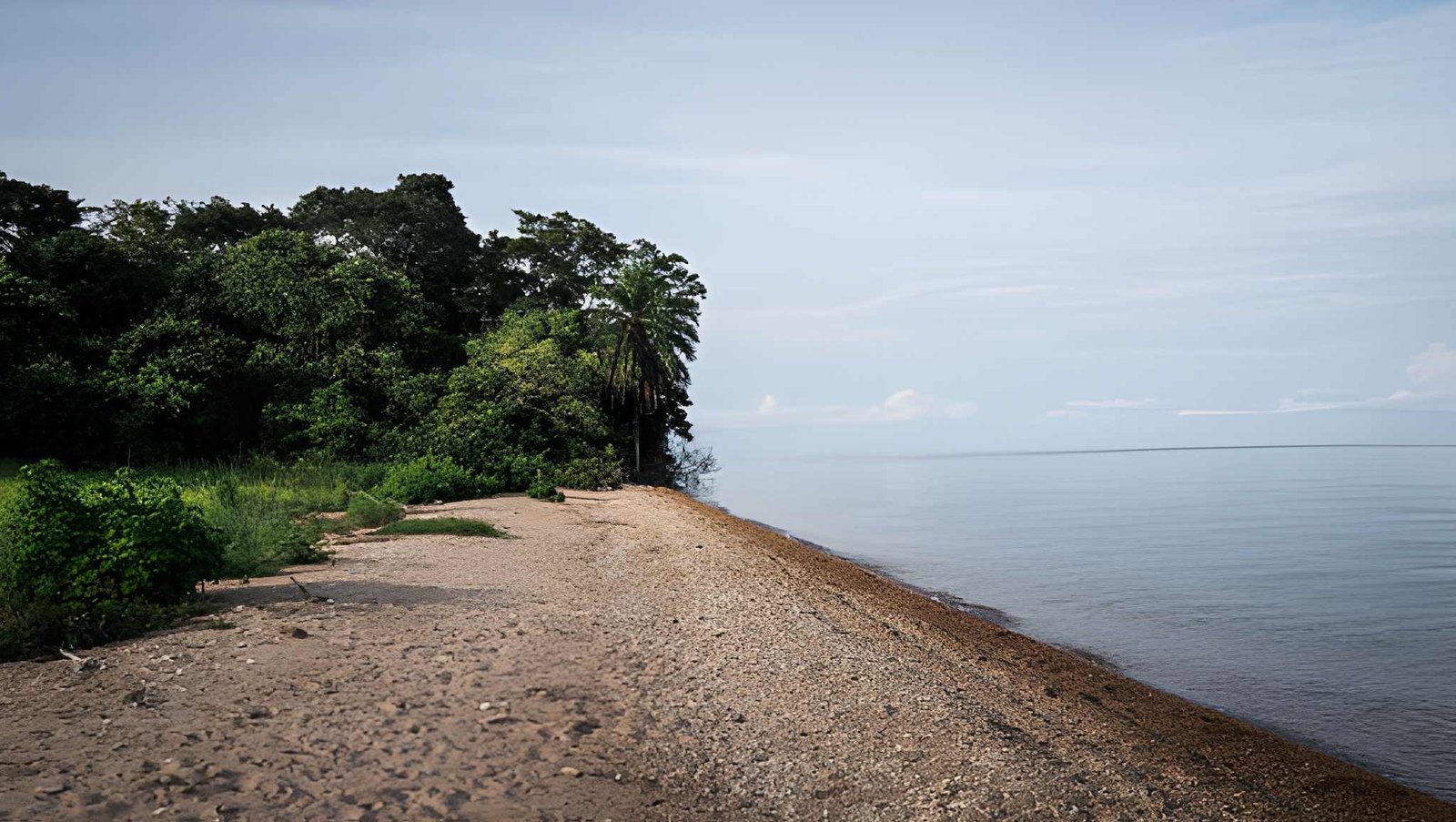
Rubondo Island · Kigoma · Gombe · Mahale Mountains
Tanzania · 8 days
Rubondo Island · Gombe
Tanzania · 10 days
Rubondo Island · Mahale Mountains · Gombe
Kenya · 8 days
Samburu National Reserve · Ol Pejeta Conservancy · Lake Nakuru · Masai Mara
Uganda · 8 days
Bwindi · Queen Elizabeth · Lake Bunyonyi
Uganda · 9 days
Lake Mburo · Kibale Forest · Queen Elizabeth · Bwindi
Uganda · 4 days
Kibale Forest · Queen Elizabeth

Chimpanzee permits are limited, especially in the dry season. Tell us your dates and a GIP Adventure specialist will build the perfect primate journey around Kibale.
Usually replies within minutesHeritage
Kibale lies in the heart of the Tooro Kingdom, one of Uganda's traditional kingdoms, whose capital, Fort Portal, takes its name from a British fort built in the late nineteenth century. The Batoro and Bakiga communities around the forest have long relied on its land and waters, and sites such as Amabere Ga Nyina Mwiru carry stories and legends that remain an important part of Batoro culture.
The forest was first protected as a forest reserve in the colonial period and was upgraded to a national park in 1993. Kibale is also one of the most important primate research sites in the world, where long-term studies of chimpanzees and other primates have taken place for decades.
Community tourism plays an important role in its conservation. The Bigodi Wetland Sanctuary is run by a local community organisation, with income from guided walks funding schools and community projects and giving local people a lasting reason to protect the forest and its wildlife.
Very good. Kibale's habituated chimpanzee communities give some of the highest success rates for chimp trekking in Africa, though sightings in the wild can never be guaranteed.
Chimp trekking allows one hour with the chimpanzees, while the habituation experience lets you spend around four hours with a community still being habituated, giving a deeper insight into their behaviour.
Yes. Chimpanzee trekking in Kibale is generally available to visitors aged 12 and over, and younger children can enjoy the Bigodi wetland walk.
A moderate level of fitness is enough. The terrain in Kibale is relatively flat compared with Bwindi, though the chimps can move quickly and trails may be muddy.
Around 2 to 3 hours by road, which makes the two parks an ideal combination.
Visit the Bigodi Wetland Sanctuary, explore the crater lakes, enjoy forest walks, visit Amabere Ga Nyina Mwiru and discover the Tooro culture of Fort Portal.
Your safari starts here
Let GIP Adventure plan a primate safari that puts you in the heart of Kibale's rainforest, with time to explore the crater lakes and beyond.
Chat with usOnline