
Kazinga Channel Boat Cruise
Cruise the 32 km channel between Lake Edward and Lake George, among some of Africa's densest gatherings of hippos, plus crocodiles, elephants and countless waterbirds.

Climbing Kilimanjaro
The complete guideRoutes & fitness calculatorWhat to packOur climbs
6-Day Kilimanjaro: Marangu Route7-Day Kilimanjaro: Machame Route6-Day Kilimanjaro: Umbwe Route7-Day Kilimanjaro: Rongai Route7-Day Kilimanjaro: Shira Plateau / Morrum Barrier Route9-Day Kilimanjaro: Lemosho Route4-Day Mount Meru Trek5-Day Ol Doinyo Lengai & Lake Natron Trek10-Day Kilimanjaro Trekking & Wildlife Safari11-Day Kilimanjaro Trekking & Wildlife SafariTour styles
Big 5 Safaris (7)Great Migration Safaris (6)Classic Wildlife Safaris (32)Wildlife-Themed Safaris (8)Fly-in & Luxury Safaris (8)Honeymoon Safaris (6)Mountain Trekking (10)Beach & Zanzibar Holidays (9)Gorilla & Primate Safaris (19)Multi-Country & Combination Safaris (9)Helicopter Safaris (5)Cultural Tours (2)Day Trips (10)Family SafarisCity Tours & Airport TransfersTailor-Made / Custom TripsPlan
All toursTanzania safari guidePlan a custom tripTanzania
All of TanzaniaNational ParksGame ReservesIslandsHistorical SitesMountains & VolcanoesLakes & WaterfallsCities & CoastKenya
All of KenyaNational ParksReserves & ConservanciesMountains & CoastCitiesUganda
All of UgandaNational ParksWildlife ReservesLakes & WaterfallsCities & GatewaysMore
Cultural experiencesLodges & campsAll destinationsUganda National Parks
Golden savannah, hippo-filled channels, explosion craters and lions lounging in fig trees, all set against the distant peaks of the Rwenzori Mountains.
Discover Queen Elizabeth
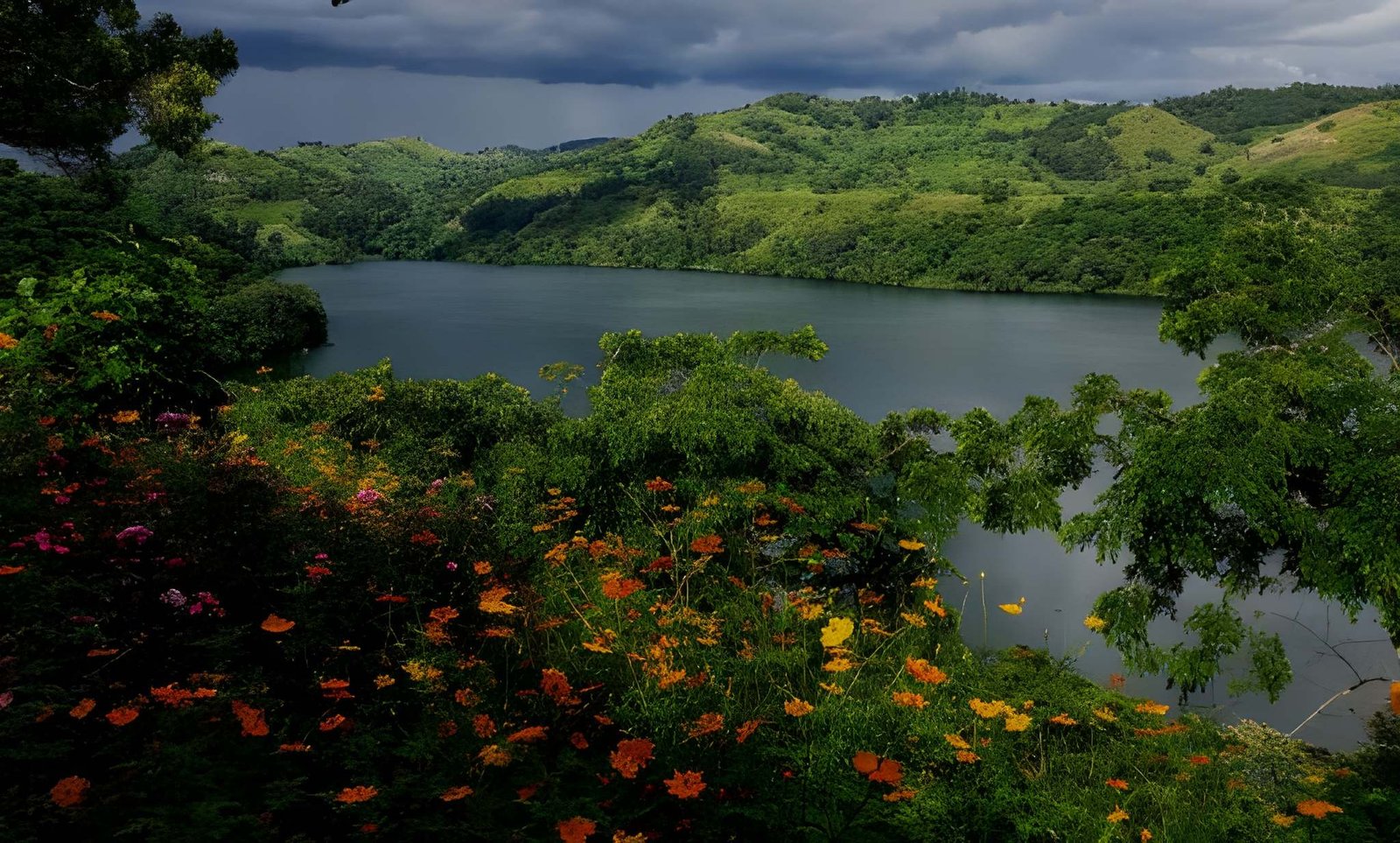
Queen Elizabeth National Park is a beautiful wildlife sanctuary centred on Kasese district in western Uganda. It stretches across the floor of the Albertine Rift Valley with the great Rwenzori Mountains rising behind it, and its surreal landscapes are scattered with volcanic crater lakes, sweeping plains and shimmering water.
Formerly known as Kazinga National Park, it was renamed in honour of Queen Elizabeth II. Its remarkable variety of ecosystems, from open savannah and moist forest to wetlands and lakes, makes it home to an equally varied cast of wildlife: the famous tree-climbing lions, elephants, buffaloes, hippos, the Uganda kob, chimpanzees, bats, African rock pythons, smaller cats and a spectacular range of birds and plants.
The park's centrepiece is the Kazinga Channel, linking Lake Edward and Lake George, where boat cruises bring you face to face with hippos, crocodiles and waterbirds. Add game drives on the Kasenyi Plains, chimpanzee tracking in Kyambura Gorge and the dramatic Katwe Explosion Craters, and it is easy to see why Queen Elizabeth is Uganda's most visited savannah park.
Why Queen Elizabeth
Few parks in East Africa combine savannah game drives, boat safaris, primate tracking and volcanic scenery as effortlessly as Queen Elizabeth.
Cruise the 32 km channel between Lake Edward and Lake George, among some of Africa's densest gatherings of hippos, plus crocodiles, elephants and countless waterbirds.
Look for lions resting in the branches of fig and acacia trees, a rare behaviour most famously seen in the southern Ishasha sector.
Open grasslands teeming with Uganda kob attract lions and other predators, making for exciting early morning drives.
Descend into a forested gorge around 100 metres deep, known as the valley of apes, to track chimpanzees.
Drive past the Katwe Explosion Craters for sweeping views of the Western Rift Valley escarpments, Lake George and, on clear days, the Rwenzori Mountains.
Over 600 bird species make this one of Africa's finest birding parks, and hot air balloon flights over the Kasenyi Plains add a memorable new perspective.
Location
Queen Elizabeth National Park lies in western Uganda, straddling the Equator on the floor of the Albertine Rift between Lake Edward and Lake George. From Kampala it is roughly 400 km, about 6 to 7 hours' drive via Mbarara or via Fort Portal, and travellers starting at Entebbe International Airport should allow around an hour more. The towns of Kasese and Fort Portal lie to the north, and scheduled and charter flights connect Entebbe with the Mweya and Kasese airstrips.
The park sits at the centre of Uganda's western safari circuit. Kibale Forest is around 2 to 3 hours to the north, while the southern Ishasha sector leads on to Bwindi Impenetrable National Park, with Buhoma roughly 2 to 3 hours beyond Ishasha.
When to visit
Lying on the Equator, the park is warm all year, with two dry seasons that are best for game viewing and two rainy seasons that bring green landscapes and migrant birds.
The best time for game drives, as grass is shorter and animals gather near water. Boat cruises and chimp tracking are excellent.
Another excellent period, with good wildlife viewing, pleasant weather and migratory birds present.
Lush green scenery, fewer visitors and superb birding. Some tracks become muddy, particularly in Ishasha.
Afternoon showers refresh the plains and many resident birds breed, while wildlife viewing remains rewarding.
The dry months from June to September and December to February offer the most reliable game viewing, while the wet months reward birders and photographers.
Dry and warm, with good game drives and migratory birds around the channel.
One of the best months, with animals near water and excellent boat cruises.
Rains return, turning the plains green and bringing fewer vehicles.
Usually the wettest month; birding is superb but some tracks are muddy.
Rains continue, with lush scenery and very quiet game drives.
The dry season begins and wildlife viewing on the Kasenyi Plains improves.
Excellent game viewing, with lions active on the plains and in Ishasha.
Peak season, with short grass, concentrated wildlife and busy boat cruises.
Great wildlife viewing continues before the short rains arrive.
Short rains bring afternoon showers and refreshed grazing for the kob herds.
Green landscapes and good birding, with wildlife still easy to find.
Drier weather returns and festive season safaris are popular.
Explore the area
The park is large and varied, and each area offers a distinct landscape and a different side of its wildlife.
Wildlife
Queen Elizabeth National Park is one of the most biodiverse reserves in Africa. Its savannahs support elephants, buffaloes, Uganda kob, waterbuck, topi and warthogs, with lions, leopards and spotted hyenas among the predators. The Kazinga Channel holds one of the continent's largest concentrations of hippos, along with Nile crocodiles and herds of buffalo and elephants coming down to drink.
In the forests and gorges, chimpanzees, black-and-white colobus and other primates live alongside bats and African rock pythons, while the park's wetlands, lakes and grasslands draw more than 600 bird species, from pelicans and African skimmers to fish eagles and, with luck, the shoebill in the Lake George wetlands.
Where to look: Kasenyi Plains and Ishasha fig trees
Queen Elizabeth's lions are best known for climbing trees, a behaviour most reliably seen in Ishasha.
Where to look: Along the Kazinga Channel and across the plains
Family herds often come down to drink at the channel, giving superb views from the boat.
Where to look: Channel banks, plains and Ishasha
Large herds and solitary old bulls are common, often wallowing near the water.
Where to look: Kasenyi Plains, Mweya and wooded areas
Present but elusive; early morning and late afternoon drives give the best chances.
Where to look: Kazinga Channel, lakes and Ishasha River
Hundreds of hippos crowd the channel, making the boat cruise one of Africa's best hippo experiences.
Where to look: Kasenyi Plains and Ishasha
Uganda's national antelope, found in large herds and the main prey of the park's lions.
Where to look: Ishasha grasslands
A glossy, purple-tinged antelope often seen standing on termite mounds as a lookout.
Where to look: Kyambura Gorge and Kalinzu Forest
Tracking chimps in the gorge or nearby Kalinzu offers a primate adventure in the middle of a savannah safari.
Where to look: Kazinga Channel banks
Large crocodiles bask on the shores and are seen on almost every boat cruise.
Where to look: Maramagambo Forest bat cave
Pythons live around the bat cave in Maramagambo, where they prey on the roosting bats.
Where to look: Kasenyi Plains and Mweya
Often seen at dawn or dusk scavenging and hunting on the open plains.
Where to look: Lake George wetlands
A rare and prehistoric-looking bird, occasionally seen in the papyrus swamps of the park.

The Kazinga Channel
The Kazinga Channel is a natural water channel about 32 km long, connecting Lake Edward with Lake George, and it is a haven for wildlife. A cruise from Mweya glides along shores crowded with hippos, while Nile crocodiles bask on the banks and elephants and buffaloes wade in to drink.
The birdlife is just as spectacular, with pelicans, cormorants, kingfishers, African fish eagles and many more lining the water's edge. It is one of the highlights of any Ugandan safari, offering exceptional close-up wildlife viewing and wonderful photography in a relaxed setting.
Safaris to 中文
Itineraries that include Queen Elizabeth National Park, often combined with Kibale chimpanzee tracking and gorilla trekking in Bwindi.
Uganda · 6 days
Bwindi · Queen Elizabeth · Lake Bunyonyi
Uganda · 7 days
Lake Mutanda · Queen Elizabeth · Lake Bunyonyi
Uganda · 8 days
Bwindi · Queen Elizabeth · Lake Bunyonyi
Uganda · 9 days
Lake Mburo · Kibale Forest · Queen Elizabeth · Bwindi
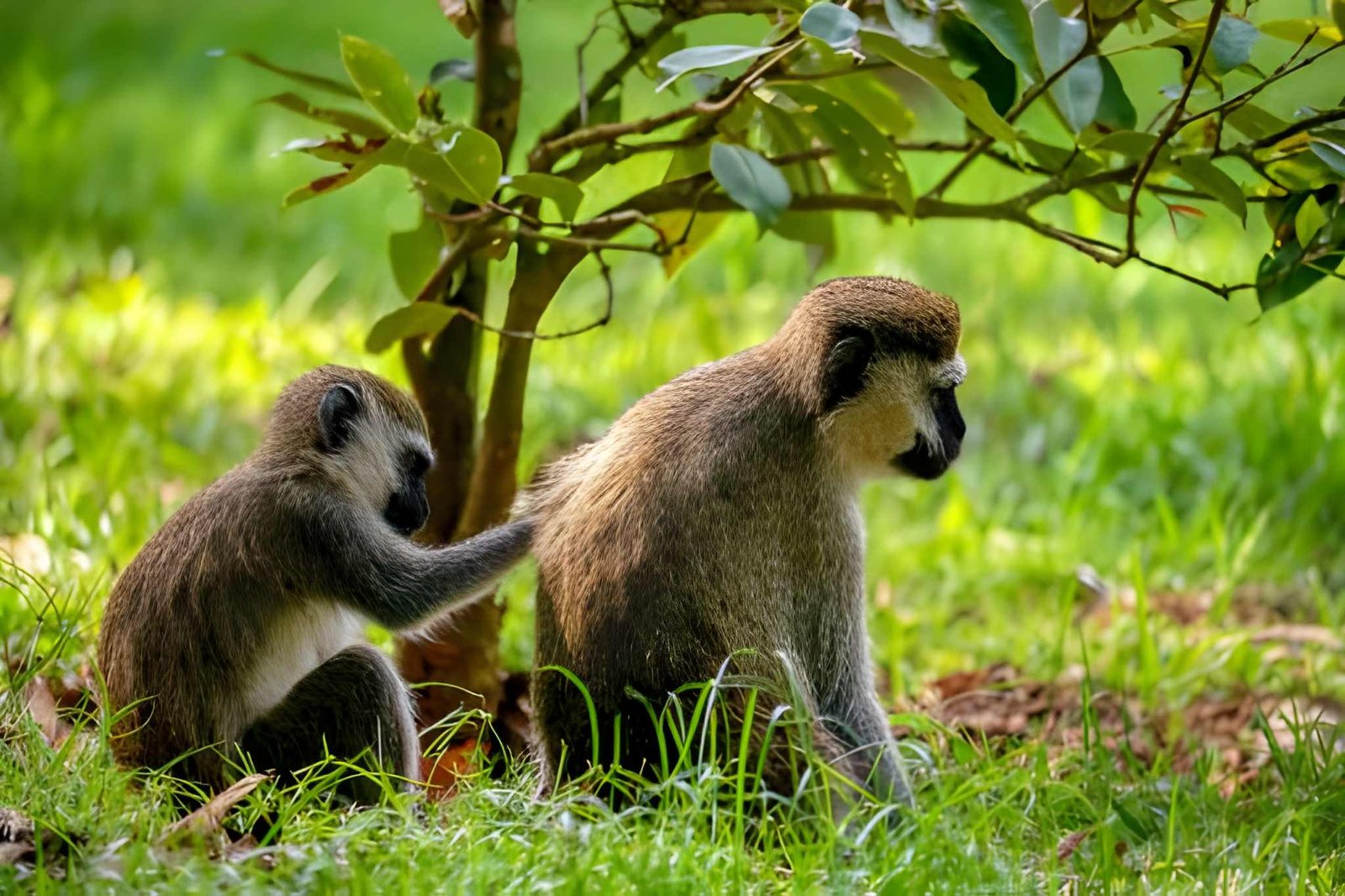
Uganda · 4 days
Kibale Forest · Queen Elizabeth
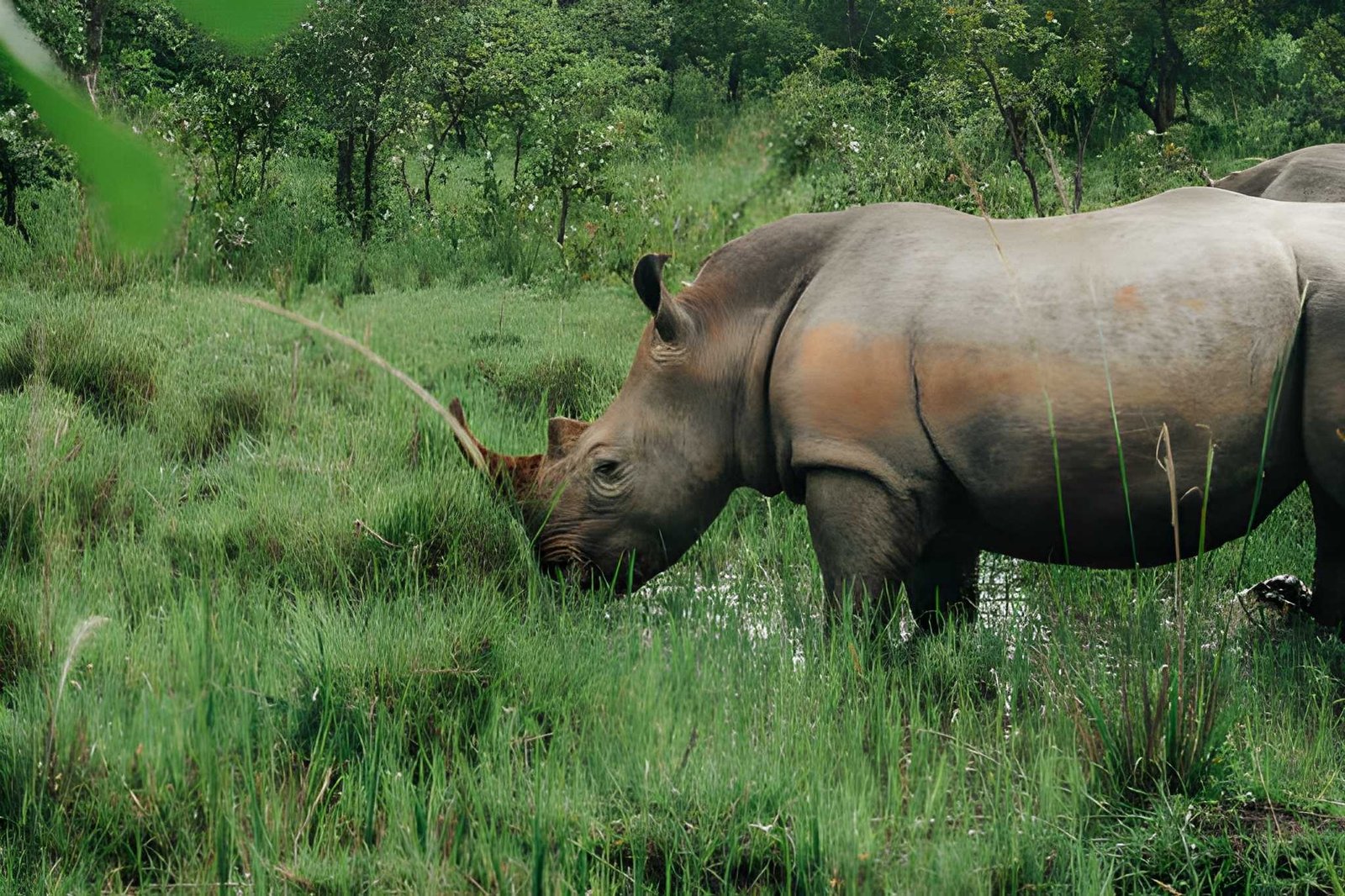
Uganda · 6 days
Kibale Forest · Queen Elizabeth · Lake Mburo
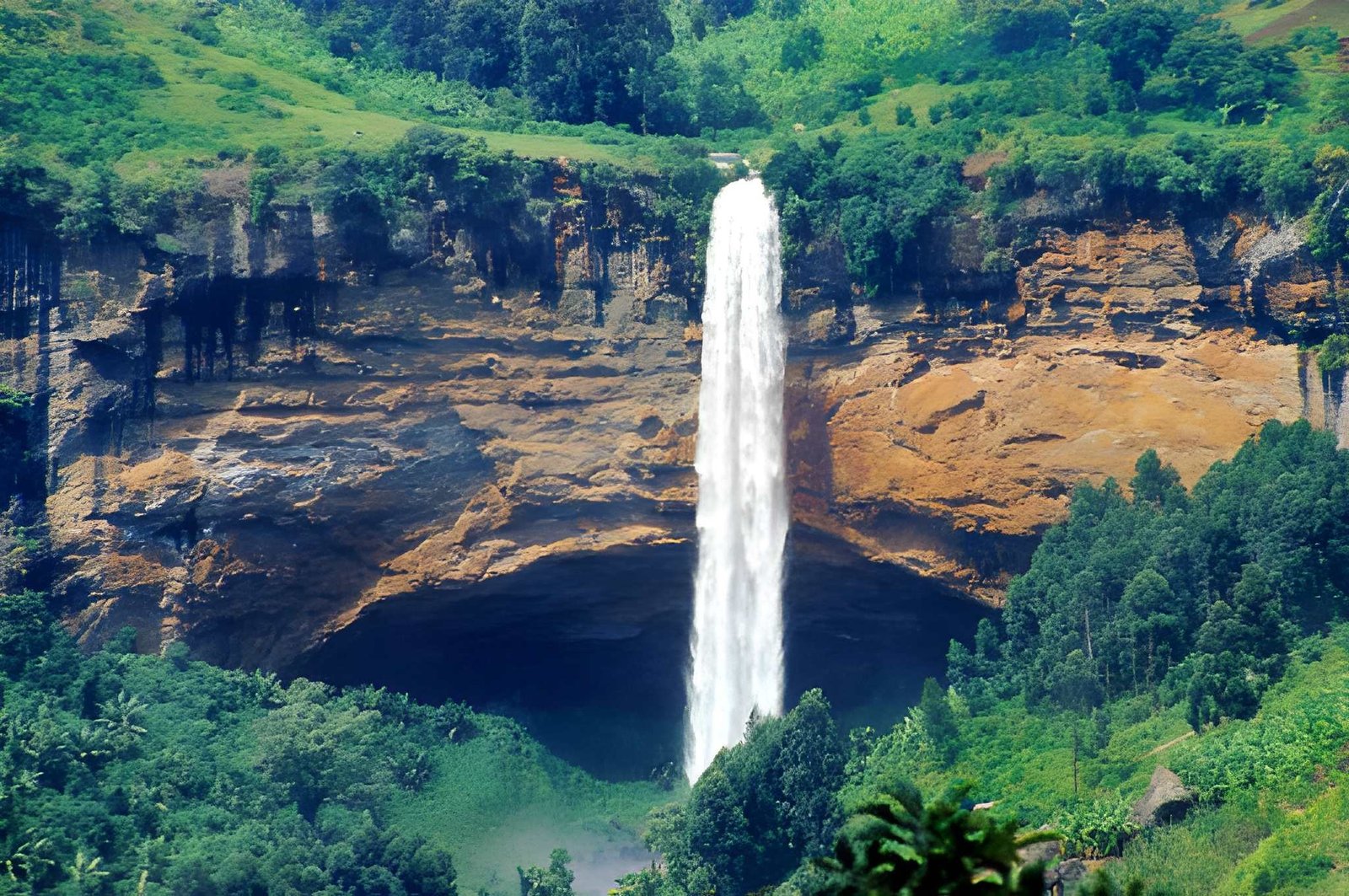
Uganda · 7 days
Murchison Falls · Kibale Forest · Queen Elizabeth
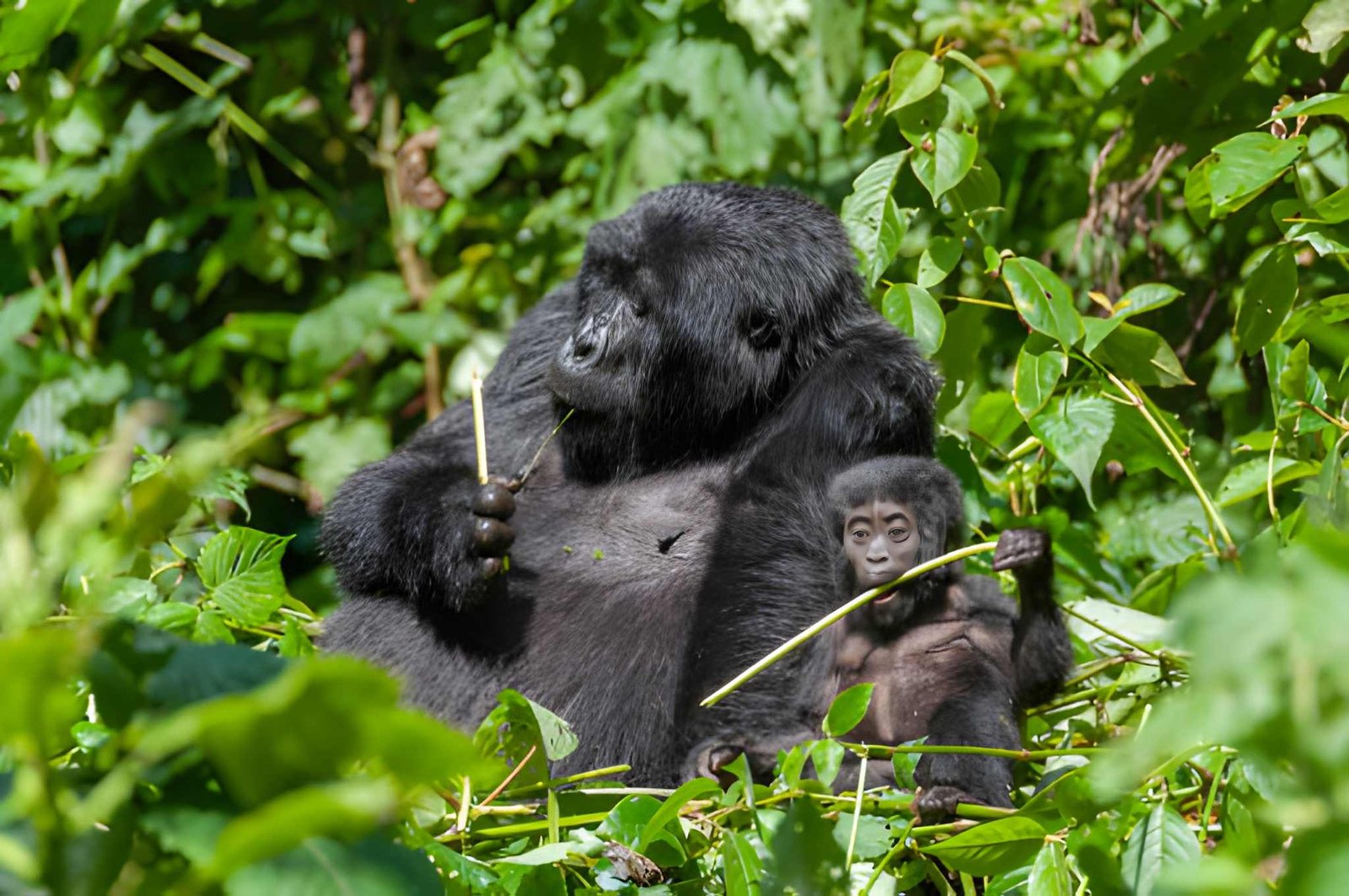
Uganda · 8 days
Kibale Forest · Queen Elizabeth · Bwindi · Lake Bunyonyi
Uganda · 9 days
Lake Mburo · Queen Elizabeth · Bwindi · Lake Bunyonyi

Tell us how long you have and what you most want to see. A GIP Adventure specialist will help you build a western Uganda safari around Queen Elizabeth, chimpanzees and gorillas.
Usually replies within minutesHeritage
The lands around Lakes Edward and George have long supported fishing and farming communities, and the salt lake at Katwe has been worked by local people for centuries, with salt traded far across the region. Fishing villages such as Katwe and Kasenyi remain inside the park today, living alongside the wildlife.
The park was established in 1952 as Kazinga National Park and renamed Queen Elizabeth National Park two years later to commemorate a visit by Queen Elizabeth II. It was later designated a UNESCO Biosphere Reserve, and it forms part of a wider conservation landscape that connects with Kibale Forest and with Virunga National Park across the border in the Democratic Republic of Congo.
Today, conservation efforts focus on protecting the park's lions, managing the relationship between people and wildlife, and supporting community tourism projects, from local guiding to cultural experiences, so that neighbouring communities share in the benefits of the park.
Most reliably in the Ishasha sector in the south of the park, where lions rest in large fig trees. Sightings are never guaranteed, but Ishasha gives you the best chance.
Absolutely. It is one of the park's highlights, with excellent close-up views of hippos, crocodiles, elephants, buffaloes and many water birds.
Two nights is a good minimum for a game drive, a boat cruise and chimp tracking in Kyambura Gorge. Add a night in Ishasha for the tree-climbing lions.
Yes, in Kyambura Gorge and in the nearby Kalinzu Forest. For the highest chance of sightings, combine the park with Kibale Forest.
Buhoma in Bwindi is reached via Ishasha, roughly 2 to 3 hours beyond Ishasha, making it easy to combine game drives with gorilla trekking.
The dry seasons from June to September and December to February are best for game viewing, while the wet months are excellent for birding.
Yes. Balloon flights operate over the Kasenyi Plains in the early morning, giving a unique view of the wildlife and the Rift Valley landscape.
Your safari starts here
Let GIP Adventure plan a safari that brings together the Kazinga Channel, the tree-climbing lions and the rest of Uganda's extraordinary western circuit.
Chat with usOnline